
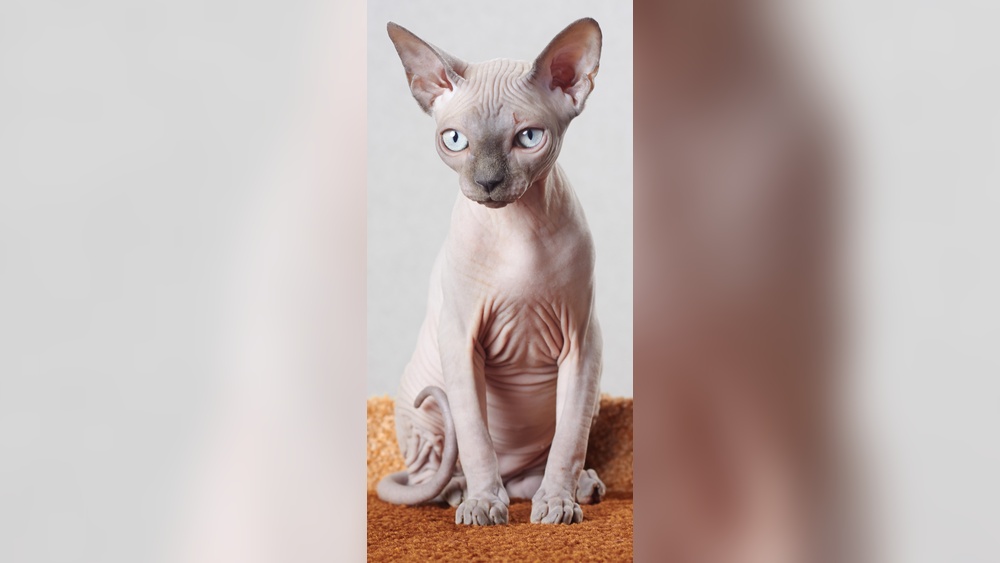
Have you ever wondered which cat breeds don’t have fur? If you’re curious about these unique, hairless cats, you’re in the right place.
Naked cats might surprise you with their charm, personality, and striking looks. Whether you’re thinking about adopting one or just want to know more, understanding these special breeds will help you appreciate their beauty and care needs. Keep reading to discover which cat breeds are naked and why they make such fascinating pets.
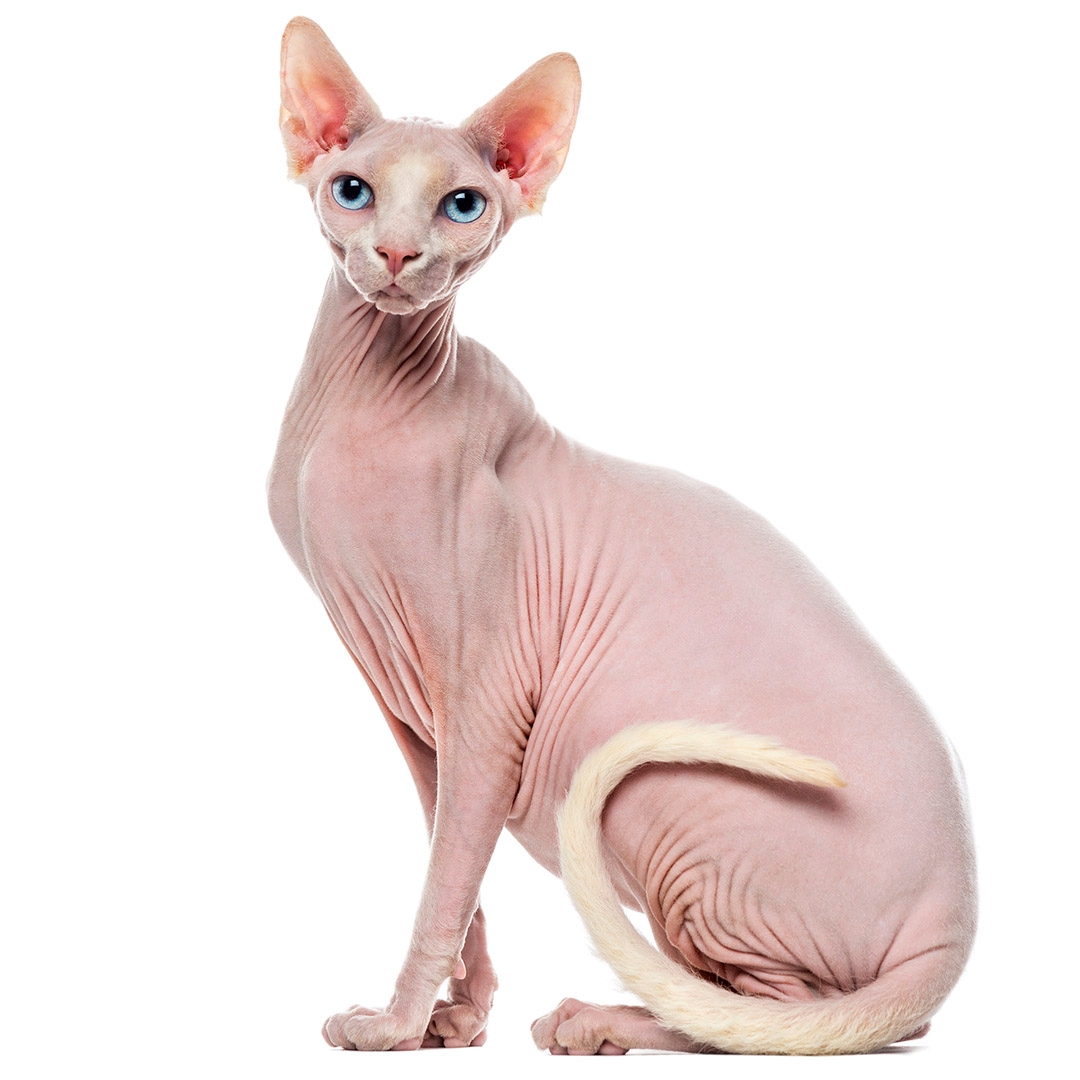
Credit: www.purina.co.uk
Why Hairless Cats Are Unique
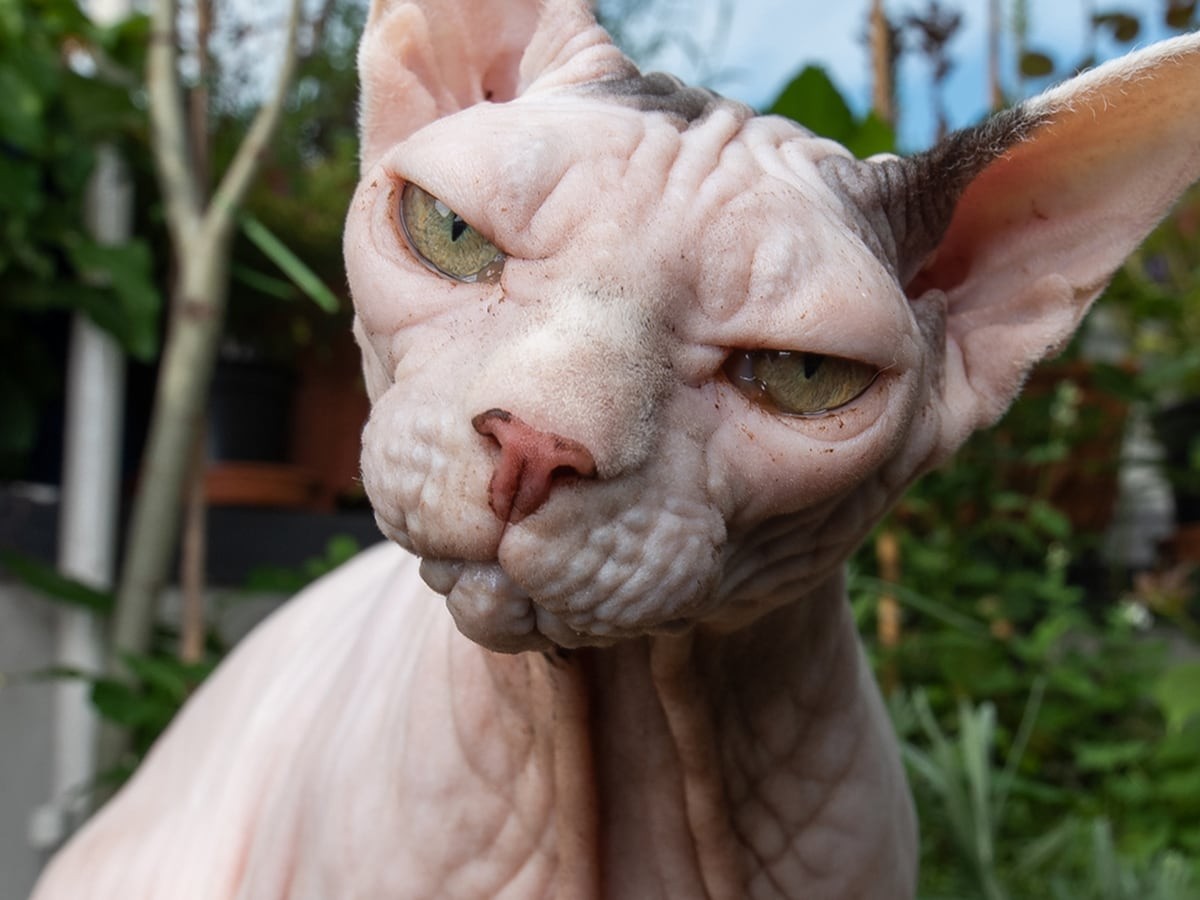
Hairless cats stand out in the feline world. Their unique look makes them special and interesting. Without fur, these cats show their skin, muscles, and bones more clearly. This gives them a distinct appearance that many people find fascinating. Their care and behavior also differ from cats with fur.
Genetic Traits Behind Hairlessness
Hairless cats have a rare genetic mutation. This mutation stops fur from growing normally. It affects the hair follicles, making the coat thin or absent. The gene is usually recessive or dominant, depending on the breed. Breeders use this trait to create hairless cat breeds like the Sphynx and Peterbald. These cats have warm, soft skin that feels like suede or peach fuzz.
Common Misconceptions
Many people think hairless cats have no hair at all. Actually, they have very fine, tiny hairs. Some believe these cats do not need any care. They still require skin cleaning and sun protection. Others assume hairless cats are sickly or weak. In truth, they are healthy and active pets. Understanding these facts helps people appreciate these unique cats better.
Top Hairless Cat Breeds
Hairless cats are unique and charming pets. They have smooth skin and little to no fur. Many people find these cats fascinating because they look different. Some hairless cats feel warm and soft to touch. They often need special care because they lack fur to protect them.
Here are some of the top hairless cat breeds that stand out for their looks and personality.
Sphynx
The Sphynx is the most famous hairless cat breed. It has wrinkled skin and big ears. These cats are friendly and love to cuddle. They enjoy being around people and other pets. Their skin needs regular cleaning to stay healthy.
Peterbald
Peterbald cats have a slender body and a graceful look. Some have a thin coat, while others are fully hairless. They are smart and playful companions. These cats like attention and often follow their owners around.
Donskoy
Donskoy cats are known for their soft, suede-like skin. They can have different degrees of hairlessness. These cats are calm and gentle. They adapt well to new homes and enjoy quiet environments.
Bambino
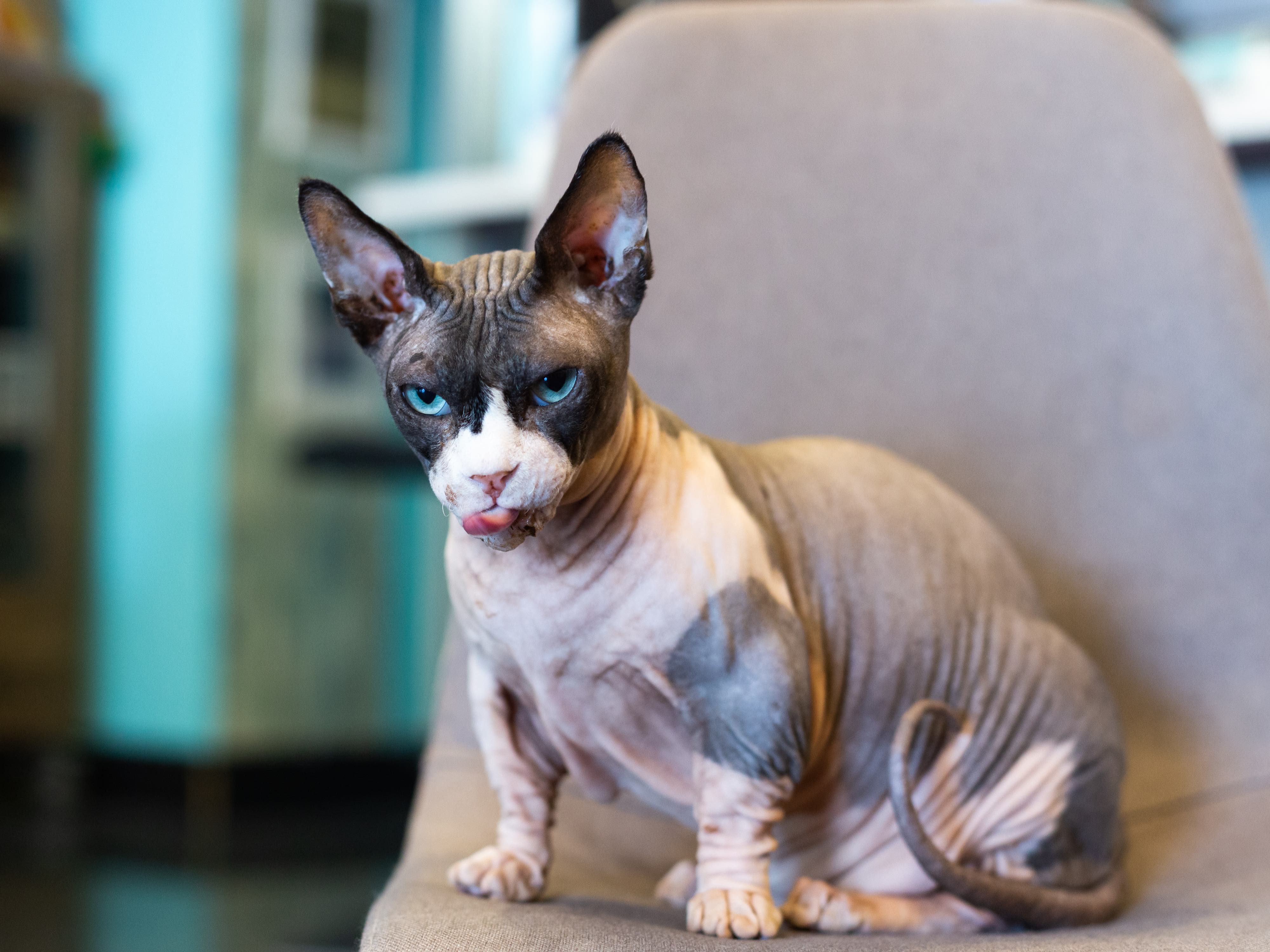
Bambino cats have short legs and a hairless body. They are a mix of Sphynx and Munchkin breeds. These cats are lively and curious. They love to explore and play with toys.
Elf Cat
Elf cats have curled ears and a smooth body. They are a newer breed with a unique look. These cats are affectionate and energetic. They form strong bonds with their families and need lots of love.
Care Tips For Naked Cats
Naked cats have unique care needs because they lack fur. Their exposed skin needs special attention to stay healthy. This section shares important tips to care for these special cats. Follow these guidelines to keep your naked cat safe and happy.
Skin Care Essentials
Naked cats have sensitive skin. Clean their skin gently with a damp cloth. Avoid harsh soaps that can dry out the skin. Bathing once a week helps remove oils and dirt. Use a moisturizer made for cats if the skin feels dry. Watch for redness or sores. These signs mean your cat needs a vet check.
Temperature Sensitivity
Without fur, naked cats feel cold easily. Keep your home warm and cozy. Provide soft blankets or heated beds for extra warmth. Avoid cold drafts and air conditioning. In cold weather, use cat sweaters to help keep them warm. In hot weather, ensure your cat has shade and water. Never leave them in direct sun for long.
Nutrition Needs
Naked cats need good nutrition for healthy skin. Feed them high-quality cat food rich in fats and proteins. These nutrients support skin repair and energy. Fresh water should always be available. Avoid foods that cause allergies or skin problems. Consult a vet for diet advice specific to your cat’s needs.
Hairless Cats And Allergies
Hairless cats often attract attention due to their unique look. Many people wonder if these cats cause fewer allergy problems. Understanding the link between hairless cats and allergies helps potential owners make smart choices.
Are They Hypoallergenic?
Hairless cats are not fully hypoallergenic. They still produce allergenic proteins in their skin and saliva. These proteins cause allergic reactions in sensitive people. Lack of fur reduces dander spread but does not remove allergens. Some people find hairless cats easier to live with. Others may still experience allergy symptoms.
Managing Allergies Around Hairless Cats
Keeping hairless cats clean helps lower allergens. Regular baths reduce oils and proteins on their skin. Washing hands after touching cats is important. Using air purifiers can improve indoor air quality. Cleaning floors and furniture often removes allergens. Creating cat-free zones in the home helps allergy sufferers. These steps make living with hairless cats more comfortable.
Choosing The Right Hairless Cat Breed
Choosing the right hairless cat breed is important for a happy pet and owner. Hairless cats have unique needs and personalities. Understanding these traits helps you find a cat that fits your home. Each breed offers different behaviors and care requirements. Knowing these details makes your choice easier and more rewarding.
Personality Traits
Hairless cat breeds have distinct personalities. Sphynx cats are known for being friendly and playful. They love attention and enjoy being around people. Peterbalds are curious and active, always exploring their surroundings. Don Sphynx cats are gentle and calm, making them great companions. These cats crave interaction and often follow their owners. Choosing a breed that matches your personality helps build a strong bond.
Lifestyle Compatibility
Consider your daily routine and home environment. Hairless cats need warmth because they lack fur. They prefer cozy spaces and may enjoy wearing sweaters. If you travel a lot, some breeds may feel lonely. Sphynx cats thrive in busy homes with lots of interaction. Don Sphynx cats adapt well to quieter settings. Make sure your lifestyle supports their care needs and social habits.
Credit: kofc8157.org
Credit: www.petmd.com
Frequently Asked Questions
What Are The Most Popular Naked Cat Breeds?
The most popular naked cat breeds include the Sphynx, Peterbald, and Donskoy. These breeds are known for their hairless or nearly hairless coats, unique looks, and affectionate personalities, making them favorites among cat enthusiasts worldwide.
Why Do Some Cat Breeds Have No Fur?
Certain cat breeds have no fur due to genetic mutations affecting hair growth. These mutations result in hairlessness or very fine, sparse fur. Breeders have selectively bred these traits to establish distinct hairless breeds with unique appearances.
Are Naked Cat Breeds Hypoallergenic?
Naked cat breeds are often considered hypoallergenic because they shed less fur and dander. However, they still produce some allergens in their skin oils. People with allergies should spend time with these cats before adopting to ensure compatibility.
How Do You Care For Hairless Cats?
Hairless cats need regular skin care, including gentle baths to remove oil buildup. They require protection from sunburn and cold weather. Their ears and nails also need frequent cleaning to maintain good hygiene and health.
Conclusion
Naked cat breeds are truly unique and fascinating pets. They need special care to stay warm and healthy. These cats often have loving and playful personalities. Choosing a hairless cat means enjoying a bond like no other. Understanding their traits helps you provide the best home.
Each breed has its own charm and needs. Ready for a cat that stands out? Naked cats could be the perfect companion for you.