

Have you ever noticed a cat with those striking little tufts of fur poking out from the tips of their ears? Those tufts aren’t just adorable—they tell a story about the cat’s breed and personality.
If you’re curious about which cat breeds have these unique ear tufts and what makes them so special, you’re in the right place. Keep reading, and you’ll discover fascinating facts that will make you see your feline friends in a whole new light.
Your next favorite cat breed might just be one with those charming tufted ears!
Credit: www.litter-robot.com
Tufted Ears In Cats
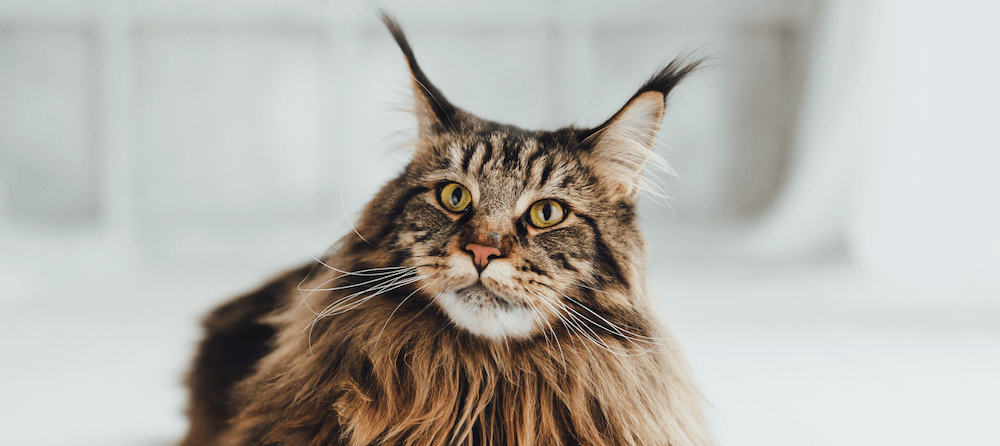
Tufted ears are a unique feature seen in some cat breeds. These small clumps of fur grow at the tips of the ears. They give cats a wild and striking look. Many cat lovers find tufted ears charming and mysterious. This trait is not just about looks. It has a purpose and helps cats in different ways.
What Are Ear Tufts
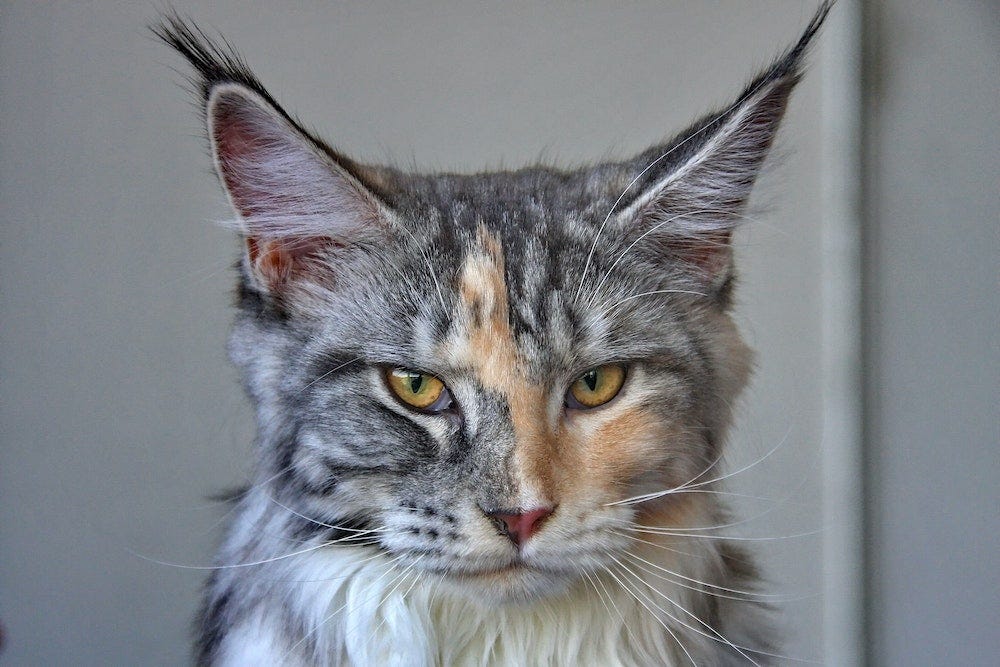
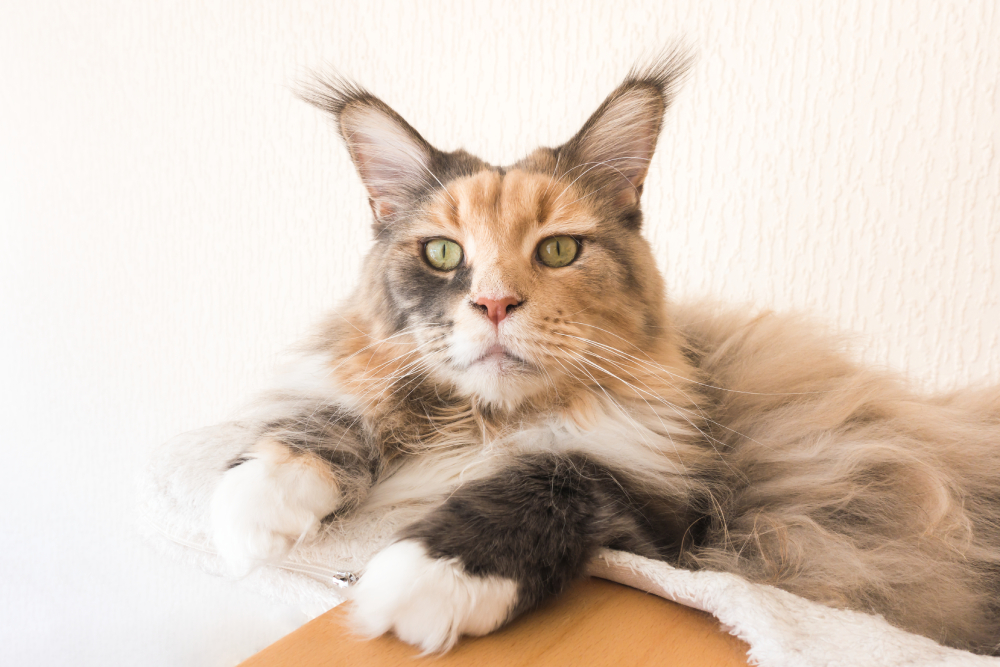
Ear tufts are small groups of fur on the ear tips. They stick out beyond the ear edges. Some cats have long, thick tufts. Others have short or thin ones. These tufts grow naturally and vary by breed. They are sometimes called “lynx tips” because they look like those of a lynx. Not all cats have them, but they add to a cat’s personality and style.
Purpose Of Ear Tufts
Ear tufts help protect cats’ ears from dirt and cold. The fur blocks dust and small debris from entering the ear canal. It also keeps the ear tips warm in cold weather. In the wild, this helps cats survive tough environments. Some believe ear tufts improve hearing by directing sound into the ears. They also help cats blend into nature by breaking up the ear’s outline. This makes it harder for predators or prey to spot them.
Maine Coon
The Maine Coon is a large and friendly cat breed. It is famous for its tufted ears and thick fur. These cats have a strong build and a gentle nature. They are well-suited to cold weather due to their dense coat. Many cat lovers find Maine Coons charming and easy to care for.
Distinctive Tufts
Maine Coons have long, pointed ears with noticeable tufts. These tufts grow from the ear tips and are often called “lynx tips.” They help protect the ears from cold and dirt. The tufts also give Maine Coons a wild and natural look. This feature is one reason they stand out among other breeds.
Personality Traits
Maine Coons are known for their friendly and calm behavior. They enjoy spending time with people and other pets. These cats are curious and playful but not overly active. They often follow their owners around the house. Maine Coons also adapt well to different living spaces. Their gentle nature makes them great family pets.
Norwegian Forest Cat
The Norwegian Forest Cat is a strong and beautiful breed. It has a thick, water-resistant coat. This cat is native to Norway, where winters are cold and harsh. Its tufted ears are one of its most charming features. These tufts add to its wild, natural look. They also serve important functions.
Ear Tuft Characteristics
The Norwegian Forest Cat has long, pointed ear tufts. These tufts grow from inside the ears and extend past the tips. They look like small brushes or feathers. The tufts help protect the ears from cold and snow. They also keep dirt and debris out. The tufts make the ears look larger and more alert.
Adaptations To Climate
This breed evolved in cold climates. Its ear tufts help keep the ears warm. They block icy wind and snow from entering the ear canal. The thick fur around the ears also helps trap heat. These features help the cat stay comfortable in freezing weather. The tufts are a natural shield against harsh elements.
Siberian Cat
The Siberian cat is a majestic breed known for its thick coat and strong build. This breed comes from Russia’s cold forests. Its fur helps it stay warm in harsh weather. Siberian cats have a natural look that many cat lovers admire. One special feature is their tufted ears, which add to their wild, charming appearance.
Ear Tuft Features
Siberian cats have ear tufts that grow from the tips of their ears. These tufts are often long and pointed. They help protect the ears from cold and dirt. The tufts also give the cat a wild, forest-like look. Not all Siberian cats have very large tufts, but most show some ear hair growth. These ear tufts stand out against their thick fur coat.
Behavior And Temperament
Siberian cats are friendly and playful. They enjoy attention and can be very social. This breed adapts well to families and other pets. They are curious and love to explore their surroundings. Siberians are known for their gentle nature and strong bond with owners. They are also quite intelligent and learn new things quickly.
Turkish Van
The Turkish Van is a rare and beautiful cat breed known for its distinctive look and lively personality. It comes from the Lake Van region in Turkey. These cats have soft, semi-long fur and striking markings. One of their most notable features is their tufted ears, which give them a wild and elegant appearance. They are playful, affectionate, and full of energy.
Unique Ear Tufts
The Turkish Van’s ear tufts are thick and pointy. These tufts grow from the tips of their ears. They help protect the cat’s ears from cold weather. The tufts make the ears look larger and more expressive. This feature adds to their wild, natural charm. Their ear tufts stand out even in the soft, flowing fur.
Swimming Abilities
Turkish Vans are famous for their love of water. They swim better than most cats. They enjoy playing in water and even splash in sinks or pools. Their thick coat dries quickly, so water does not bother them. This unique trait connects them to their origin near Lake Van. Swimming helps keep these cats active and happy.
Scottish Fold
The Scottish Fold is a unique cat breed known for its distinct ear shape. These cats have ears that fold forward and downward. This gives them a charming, owl-like appearance. Scottish Folds are gentle and friendly pets, making them popular worldwide.
Tufts And Folded Ears
Scottish Folds sometimes have small tufts of hair at the ear tips. These tufts add to their cute look. The folded ears are caused by a natural gene mutation. This gene affects the cartilage, making the ears bend forward. Not all Scottish Folds have ear tufts, but those who do look extra special.
Health Considerations
The gene that causes folded ears can also cause health issues. It can lead to cartilage problems and joint pain. Some Scottish Folds may develop arthritis early. Regular vet check-ups are important for these cats. Careful breeding helps reduce health risks. Owners should watch for signs of discomfort or stiffness.
Other Breeds With Tufted Ears
Tufted ears are not exclusive to the well-known breeds like the Maine Coon or Norwegian Forest Cat. Several other cats also sport these charming ear tufts. These tufts add a wild, natural look that many cat lovers adore. Some of these breeds are rare or just emerging in popularity. Others are mixed breed cats that carry this unique trait.
Rare And Emerging Breeds
Some rare cat breeds have tufted ears as a natural feature. The Kurilian Bobtail, for example, often shows small ear tufts. This breed is known for its strong build and playful nature. Another emerging breed is the Highlander cat. It has large ears with distinct tufts at the tips. These cats are gaining attention for their bold look and friendly personality. These breeds might not be common yet but have unique traits worth exploring.
Mixed Breed Cats
Mixed breed cats can also have tufted ears. This happens when they inherit genes from parent cats with this trait. Many shelter cats show these lovely ear tufts. These cats often have a mix of different characteristics, making each one special. Tufted ears in mixed breeds add to their charm and wild appearance. They prove that beauty and uniqueness come in many forms, not just purebreds.
Caring For Cats With Tufted Ears
Caring for cats with tufted ears requires some special attention. These tufts add charm but need gentle care. Their ear tips can collect dirt or debris easily. Regular care helps keep your cat healthy and happy.
Grooming Tips
Brush your cat’s ear tufts gently once or twice a week. Use a soft brush to avoid pulling the hair. Check for any knots or tangles and remove them carefully. Trim excess hair around the ears if it grows too long. Keep your cat calm during grooming to reduce stress.
Ear Health Maintenance
Inspect your cat’s ears regularly for dirt or wax buildup. Use a damp cloth or pet-safe wipes to clean the outer ear. Avoid inserting anything deep inside the ear canal. Watch for signs of infection like redness, swelling, or bad smell. Visit the vet if you notice any unusual symptoms. Clean ears prevent infections and discomfort.
Tufted Ears And Cat Appeal
Tufted ears give cats a unique and charming look. These small hair tufts grow at the tips of a cat’s ears. They add personality and style to many cat breeds. This feature often makes cats more eye-catching and loved by people.
Many cat lovers find tufted ears very appealing. The tufts make cats look wilder and more natural. They remind us of wild cats like lynxes. This natural look adds to a cat’s beauty and charm.
Aesthetic Attraction
Tufted ears create a soft, elegant frame for a cat’s face. The tufts add texture and depth to the ears. They make the cat’s head look bigger and more expressive. This look catches the eye and holds attention.
People often say cats with tufted ears look mysterious and regal. These ears give cats a unique silhouette. This makes them stand out in a crowd of pets. The aesthetic charm makes these cats favorites in photos and shows.
Influence On Adoption
Tufted ears can increase a cat’s chances of finding a home. Many adopters feel drawn to cats with this distinct feature. The tufts often suggest a special or rare breed. This impression can make people more interested in adoption.
Adoption centers notice that cats with tufted ears get more inquiries. The unique look helps these cats connect with potential owners. Tufted ears can give shy cats a confidence boost. This feature helps cats become more memorable to people.
Credit: www.litter-robot.com
Credit: www.catster.com
Frequently Asked Questions
Which Cat Breeds Have Tufted Ears?
Breeds like Maine Coon, Norwegian Forest, and Siberian cats often have tufted ears. These tufts give a wild, rugged look. They help protect the cat’s ears from cold and debris. Tufted ears are a distinct feature in these popular breeds.
Why Do Some Cats Have Ear Tufts?
Ear tufts protect cats’ ears from cold weather and dirt. They also enhance hearing by funneling sound. In wild ancestors, tufts helped with camouflage. These tufts are both functional and decorative in many long-haired breeds.
Are Ear Tufts Common In All Cat Breeds?
No, ear tufts are mainly found in specific long-haired breeds. Short-haired cats usually lack these tufts. Tufted ears are genetic traits passed in breeds like Maine Coon. They are less common in domestic shorthairs and exotic breeds.
Do Ear Tufts Affect Cat Health?
Ear tufts do not typically affect cat health. They require minimal care but should be checked for debris. Healthy ear tufts protect ears from cold and dirt. Regular grooming helps maintain clean and healthy ear tufts.
Conclusion
Tufted ears add charm and uniqueness to many cat breeds. They help cats hear better and look wild and beautiful. Breeds like Maine Coons and Lynx Point Siamese often have these ear tufts. Knowing which cats have tufted ears can help you choose a pet that fits your style.
Each breed has its own special traits beyond just the ears. Enjoy learning about these fascinating cats and their striking features. Tufted ears make them stand out in any room or home.