
Are you thinking about bringing a cat into your home but unsure which breeds are best kept strictly indoors? Choosing the right cat breed can make all the difference in your pet’s happiness and safety.
Some cats thrive indoors and prefer the comfort of your cozy living space, while others need outdoor adventures to stay happy. If you want a feline friend who fits perfectly into your indoor lifestyle, this guide will help you discover which cat breeds are happiest—and healthiest—when they never leave your home.
Keep reading to find the perfect indoor cat for you!
Indoor Cat Breed Traits
Indoor cat breeds have special traits that make them perfect for life inside your home. These cats enjoy calm spaces and cozy spots. They adapt well to living without outdoor adventures. Understanding their traits helps you pick the right breed for your home and lifestyle.
Temperament Suited For Indoors
Indoor cats tend to be calm and gentle. They enjoy quiet environments and low activity levels. Many indoor breeds are friendly and love human company. They often seek attention but do not demand it. These cats handle small spaces without stress. They usually get along with other pets and children. Indoor cat breeds are less likely to show aggressive behavior.
Physical Characteristics
Indoor cat breeds usually have compact bodies. Their coats vary from short to long, but they need regular grooming. Many have large eyes that show curiosity and alertness. These cats do not require much exercise, so their bodies remain healthy indoors. Some breeds have unique features like folded ears or flat faces. These physical traits add to their charm and indoor suitability.
Health Considerations
Indoor cats face fewer risks from outdoor dangers. They have less chance of catching infections or parasites. Many indoor breeds have fewer health problems linked to outdoor exposure. Regular vet checkups keep them in good shape. Indoor cats need balanced diets to avoid obesity. Safe, clean environments help prevent respiratory issues. Their health often benefits from controlled living conditions.
Top Indoor Cat Breeds
Some cat breeds are better suited for indoor life. These cats enjoy a calm and safe home environment. They rarely need outdoor space to stay happy and healthy. Knowing the best indoor cat breeds helps you choose a pet that fits your lifestyle.
Indoor cats often have gentle personalities. They like quiet spaces and enjoy spending time close to their owners. These breeds usually require less exercise than outdoor cats. They thrive with indoor play and attention.
Persian Cats
Persian cats have long, thick fur and a calm nature. They prefer indoor living because their coats need regular care. Persians enjoy cozy spots and gentle petting. They do not like loud noises or busy places. Keeping them indoors protects their health and beauty.
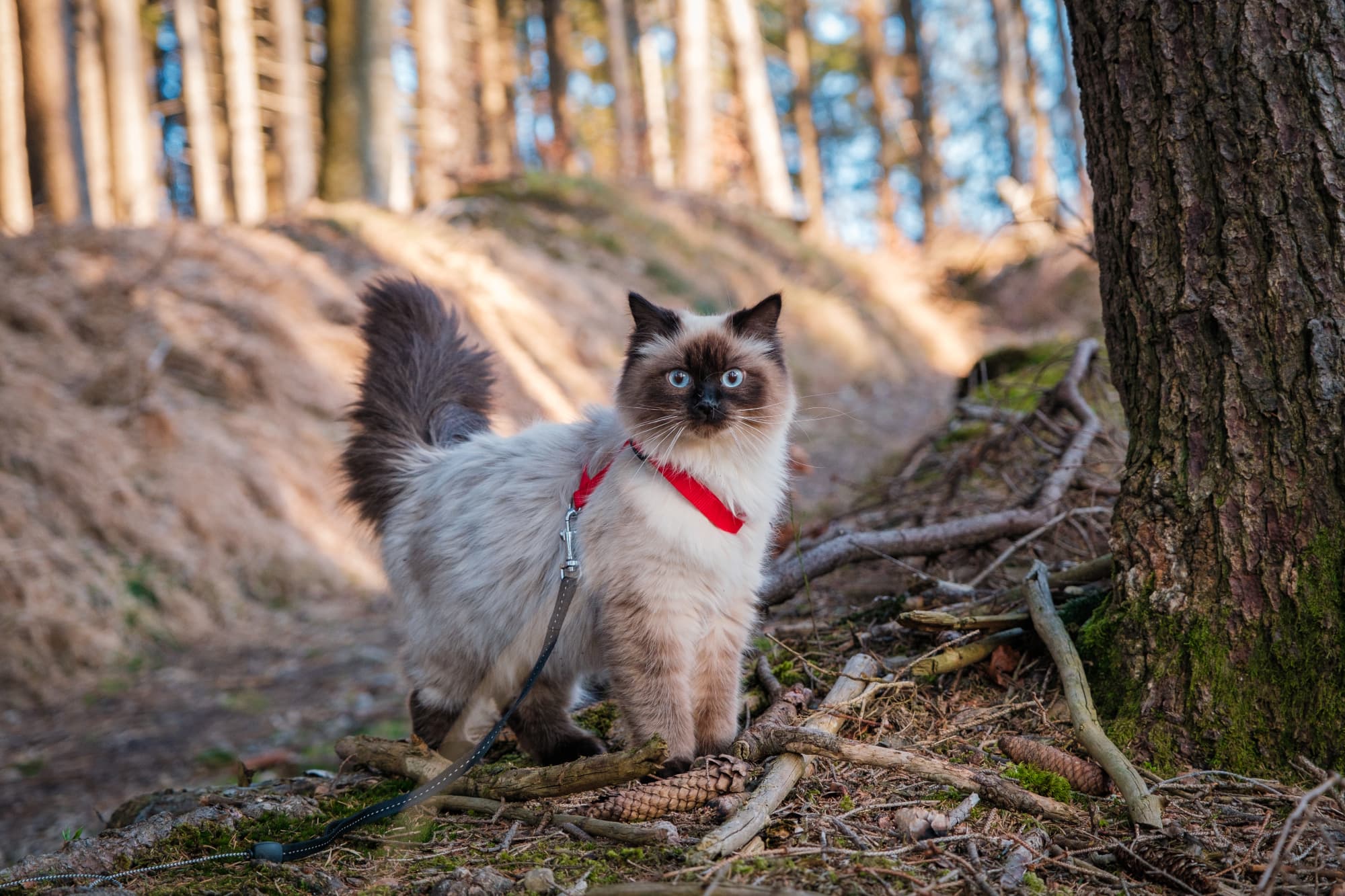
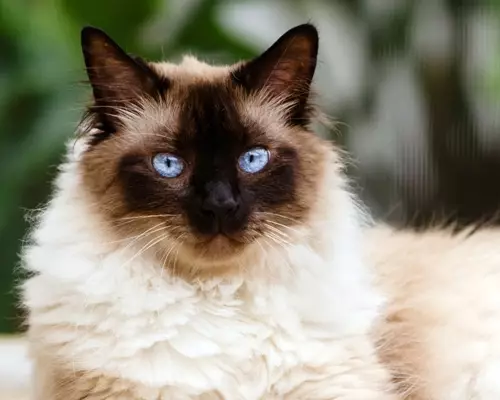
Ragdoll Cats
Ragdolls are large, affectionate cats that love human company. They have soft, silky fur and blue eyes. These cats stay calm and relaxed inside. They often follow their owners around the house. Ragdolls do well indoors where they feel safe.
British Shorthair Cats
British Shorthairs have dense, plush coats and round faces. They are quiet and easygoing cats. These cats enjoy indoor play and lounging. They adapt well to apartment living. British Shorthairs rarely seek outdoor adventures.
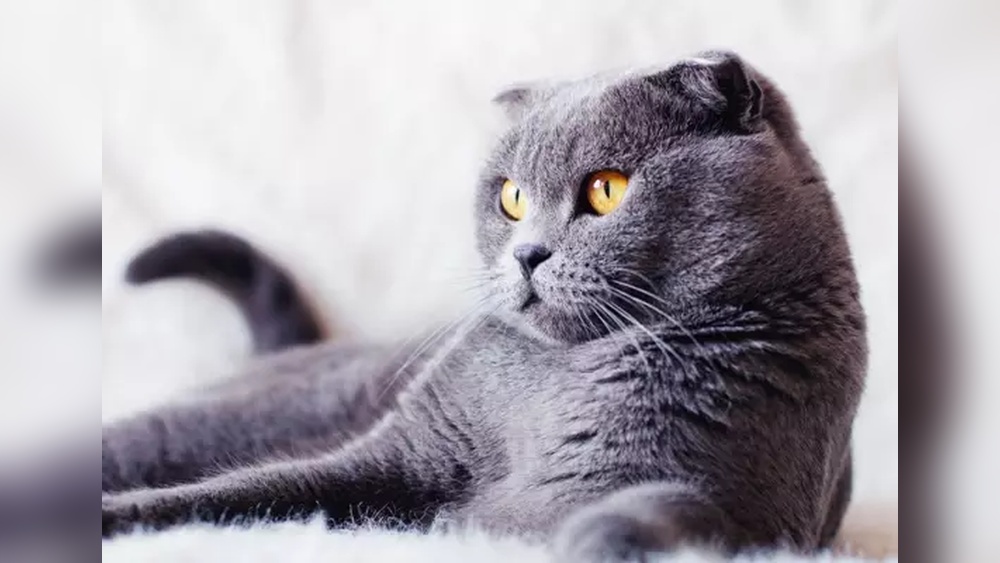
Scottish Fold Cats
Scottish Folds have unique folded ears and a sweet temperament. They are very friendly and love attention. These cats prefer to stay inside for safety. Scottish Folds enjoy interactive toys and resting in soft beds. Their calm nature suits indoor homes.
Sphynx Cats
Sphynx cats are hairless and need warm, cozy places. They have lively, curious personalities. These cats crave human interaction and love to cuddle. Sphynxes do not tolerate cold weather well. They belong indoors where the temperature is steady.
Why Some Breeds Need Indoor Living
Some cat breeds are best kept indoors only. These cats have needs that outdoor life cannot meet. They thrive in safe, controlled spaces. Understanding why helps keep them happy and healthy.
Safety Concerns
Indoor cats avoid many dangers outside. Cars, predators, and harmful plants can hurt them. Some breeds are less agile or slower. They cannot escape threats quickly. Keeping them indoors reduces the risk of injury or illness.
Environmental Sensitivity
Certain breeds have sensitive skin or coats. Harsh weather can cause discomfort or health problems. They may not handle cold, heat, or rain well. Indoor living protects them from harsh environmental changes.
Behavioral Traits
Some cats prefer calm and quiet environments. Loud noises and strangers stress them out. These breeds may hide or act scared outdoors. Staying indoors helps them feel secure and relaxed.
Credit: blog.homesalive.ca
Creating A Safe Indoor Environment
Creating a safe indoor environment is key for cats that live strictly inside. It keeps them healthy and happy. Indoor cats depend on their home for comfort, exercise, and mental stimulation. Owners must set up a space that meets these needs well.
Essential Indoor Supplies
Start with basics like a cozy bed and litter box. Cats need a clean spot to sleep and go potty. Scratching posts protect furniture and help cats stretch. Food and water bowls should be placed in quiet areas. Keep these supplies clean and easy to reach.
Enrichment And Play
Indoor cats need toys to stay active. Balls, feather wands, and puzzle feeders work well. Playtime boosts their mood and stops boredom. Rotate toys often to keep cats interested. Climbing shelves or cat trees give spaces to explore.
Health Maintenance Indoors
Regular vet visits keep indoor cats healthy. Watch for changes in eating or behavior. Groom your cat to reduce hairballs and matting. Keep the home free of plants or chemicals that are toxic. Clean the litter box daily to prevent infections.
Common Myths About Indoor Cats
Many people believe some wrong things about indoor cats. These ideas can make it hard to choose the right cat breed for your home. Understanding the truth helps you care for your cat better. Let’s explore some common myths about indoor cats.
Indoor Cats Lack Exercise
People often think indoor cats do not move enough. In fact, indoor cats can be very active. They run, jump, and play with toys inside. You can create a fun space with climbing trees and balls. This keeps them healthy and strong.
Indoor Cats Are Less Happy
Some say indoor cats feel sad or bored. Indoor cats can be just as happy as outdoor cats. They enjoy safe playtime and attention from their owners. A loving home and regular play make them joyful. Safety inside can reduce stress and fear.
Indoor Cats Are Easier To Care For
It is true indoor cats face fewer dangers outside. But they still need care and attention every day. Feeding, cleaning, and playing require time and effort. Indoor cats need mental and physical stimulation too. Caring well helps them live longer lives.
Credit: bowwowinsurance.com.au
Credit: www.perfect-fit.co.uk
Frequently Asked Questions
Which Cat Breeds Are Best Suited For Indoor Living?
Breeds like the Scottish Fold, Persian, and Ragdoll thrive indoors. They prefer calm environments and less outdoor stimulation, making them ideal for indoor homes.
Why Are Some Cat Breeds Strictly Indoor Pets?
Certain breeds have delicate health or docile temperaments. Indoor living protects them from dangers like traffic, predators, and diseases common outside.
How To Keep Indoor Cat Breeds Happy And Healthy?
Provide toys, scratching posts, and regular playtime. Enrich their environment with climbing spaces and interactive activities to prevent boredom and stress.
Are Indoor-only Cats Less Prone To Diseases?
Yes, indoor cats avoid outdoor parasites, infections, and injuries. This controlled environment reduces risks linked to outdoor exposure significantly.
Conclusion
Choosing an indoor cat breed keeps your pet safe and happy. Some breeds need less outdoor time and adapt well indoors. They enjoy cozy spaces and close family company. Indoor cats live longer and avoid many dangers outside. Remember, each cat has its own personality and needs.
Providing toys and attention helps them stay active inside. A well-chosen indoor breed fits your home and lifestyle perfectly. Caring for an indoor cat brings joy and comfort every day.