
Are you curious about which cat breeds live the longest? If you want your furry friend to stay by your side for many happy years, knowing which breeds tend to have longer lifespans can make a big difference.
Choosing a cat with a naturally long life means more memories, more cuddles, and less heartbreak. You’ll discover the top cat breeds known for their longevity, along with tips to help your cat live a healthy, full life. Keep reading to find out which feline companions could be your best long-term friend.
Factors Influencing Cat Longevity
Cats can live for many years, but their lifespan varies. Many factors affect how long a cat will live. Understanding these factors helps cat owners provide the best care. A longer life means more happy moments with your furry friend.
Genetics And Breed Traits
Genetics play a big role in a cat’s lifespan. Some breeds are naturally healthier and live longer. Mixed-breed cats often have fewer genetic problems. Purebred cats may face breed-specific health issues. Knowing breed traits helps predict potential health challenges.
Diet And Nutrition
Good food supports a cat’s health and longevity. A balanced diet gives essential vitamins and minerals. Avoid foods high in fillers or artificial ingredients. Fresh water is important for kidney health. Feeding the right amount prevents obesity and related diseases.
Healthcare And Regular Checkups
Regular vet visits catch health problems early. Vaccinations protect against common diseases. Parasite control keeps cats safe from fleas and worms. Dental care prevents infections and pain. Early treatment improves chances of a longer life.
Living Environment
A safe, clean home reduces stress and injury risks. Indoor cats often live longer than outdoor cats. Outdoor cats face dangers like accidents and predators. Provide toys and scratching posts to keep cats active. A calm environment supports their mental health.
:max_bytes(150000):strip_icc()/cat-breeds-live-the-longest-balinese-getty-treatment-1023-3fb455afc6dd48569484125ee8f2e511.jpg)
Credit: www.marthastewart.com
Top 10 Longest-lived Cat Breeds
Some cat breeds naturally live longer than others. Knowing which breeds tend to have longer lifespans helps cat lovers plan better care. These cats often reach 15 years or more. The following list shows the top 10 longest-lived cat breeds.
Siamese
Siamese cats are known for their striking blue eyes and vocal nature. They often live between 15 and 20 years. Many Siamese cats enjoy good health with proper care.
Burmese
Burmese cats have a friendly and playful personality. Their average lifespan ranges from 16 to 18 years. Regular vet visits help keep them healthy for a long time.
Ragdoll
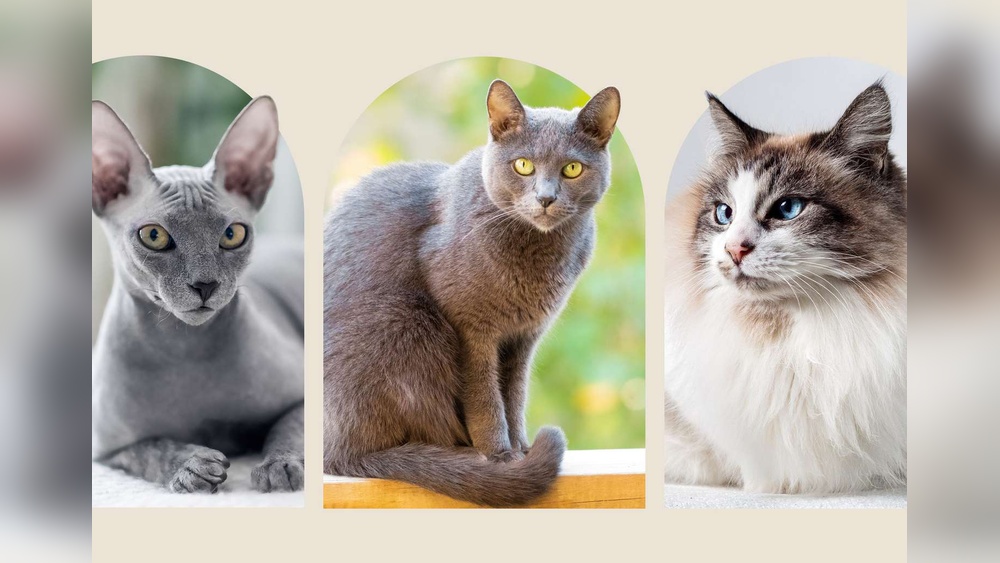
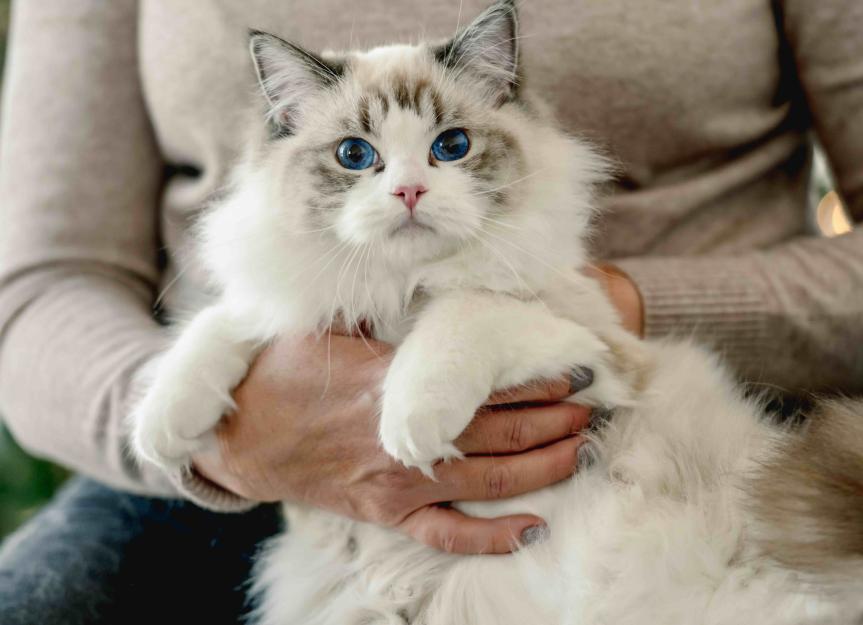
Ragdolls are large, gentle cats with beautiful blue eyes. They usually live 15 to 20 years. Their calm nature makes them great companions for families.
Russian Blue
Russian Blue cats have a sleek, silver-blue coat. They tend to live 15 to 20 years. These cats are quiet and enjoy calm environments.
Sphynx
Sphynx cats are hairless and very affectionate. Despite their unique look, they often live 15 years or more. They need regular skin care to stay healthy.
American Shorthair
American Shorthairs are strong and adaptable cats. Their lifespan can reach 15 to 20 years. These cats are easy to care for and very friendly.
Persian
Persians are known for their long, thick fur and flat faces. They usually live 12 to 17 years. Grooming is important to keep their coats healthy.
Maine Coon
Maine Coons are one of the largest domestic cat breeds. They often live 12 to 15 years. Their thick fur protects them in colder climates.
Birman
Birman cats have beautiful white paws and striking blue eyes. They live around 14 to 16 years. Birmans enjoy social interaction and gentle play.
Scottish Fold
Scottish Folds are famous for their folded ears and round faces. Their lifespan is typically 11 to 15 years. They are calm and adapt well to homes.
Common Health Issues In Long-lived Breeds
Long-lived cat breeds often face specific health challenges. These issues can affect their quality of life and lifespan. Understanding common health problems helps owners provide better care. Early detection and treatment keep cats healthier and happier.
Genetic Disorders To Watch
Some long-lived breeds carry inherited health risks. For example, Maine Coons may develop hypertrophic cardiomyopathy, a heart condition. Siamese cats often face respiratory and dental problems. Persian cats are prone to kidney disease and eye conditions. Knowing these genetic risks guides regular health checks.
Preventive Care Tips
Regular vet visits catch problems early. Vaccinations and parasite control protect against infections. Balanced nutrition supports overall health and weight management. Dental care prevents gum disease and tooth loss. Providing safe, stress-free environments promotes mental well-being.
Credit: www.petmd.com
Tips To Help Your Cat Live Longer
Helping your cat live a longer life requires simple daily care. Good habits can keep your cat healthy and happy. Small changes in diet, exercise, and care make a big difference. Here are key tips to support your cat’s long life.
Balanced Diet Plans
Feed your cat high-quality food. Choose diets with the right nutrients for their age and breed. Avoid too many treats or table scraps. Fresh water should always be available. Balanced meals strengthen your cat’s immune system and keep weight in check.
Regular Exercise
Encourage your cat to move and play every day. Use toys, climbing trees, or interactive games. Exercise helps maintain healthy muscles and joints. It also prevents obesity, which can cause health problems. Active cats tend to live longer and feel better.
Mental Stimulation
Keep your cat’s mind sharp with puzzles and new toys. Change toys regularly to keep interest high. Training and gentle play boost mental health. A stimulated cat avoids boredom and stress. This supports overall well-being and longevity.
Routine Vet Visits
Schedule regular check-ups with your veterinarian. Early detection of health issues is vital. Vaccinations and parasite control protect your cat. Vet visits help maintain dental and overall health. Regular care catches problems before they become serious.
:strip_icc()/GettyImages-610702610-23e93d30d03849a990d7a513b6b6c328.jpg)
Credit: www.thesprucepets.com
Frequently Asked Questions
Which Cat Breeds Have The Longest Lifespan?
Siamese, Burmese, and Ragdoll cats often live 15-20 years or more. Mixed breeds with good care can also live long. Genetics and lifestyle greatly influence a cat’s lifespan.
Do Small Cat Breeds Live Longer Than Large Breeds?
Generally, smaller cat breeds tend to live longer than larger ones. Smaller cats often have fewer health issues, contributing to their extended lifespan.
How Does Diet Affect A Cat’s Lifespan?
A balanced, high-quality diet supports a cat’s overall health and longevity. Proper nutrition prevents obesity and diseases, helping cats live longer and healthier lives.
Can Indoor Cats Live Longer Than Outdoor Cats?
Yes, indoor cats usually live longer. They face fewer risks like accidents, predators, and diseases, which increases their lifespan significantly.
Conclusion
Choosing a cat breed with a long lifespan can bring many years of joy. Some breeds tend to live longer due to genetics and care. Regular vet visits and a healthy diet help any cat live longer. Remember, love and attention keep your cat happy and healthy.
Every cat is unique, and lifespan can vary. Pick a breed that fits your lifestyle and enjoy many special moments together. Longevity in cats means more time to share love and friendship.