
Have you ever wondered why some cats seem to talk non-stop while others are almost silent? If you’re curious about which cat breeds make the most noise, you’re in the right place.
Understanding these chatty cats can help you decide if their vocal style fits your lifestyle. Whether you want a lively companion who loves to “chat” or prefer a quieter friend, knowing which breeds are the loudest will guide your choice.
Keep reading to discover the most vocal cats and what makes them so talkative—your future feline friend might just surprise you!
Credit: www.petsradar.com
Vocal Traits In Cats
Cats communicate in many ways. One important way is through their voices. Some cats are very quiet. Others are loud and talk a lot. Their vocal traits depend on their breed and personality. Understanding these traits helps you know your cat better.
Why Some Cats Are More Vocal
Some cat breeds are naturally talkative. They use sounds to get attention or express feelings. Cats from places with busy homes often learn to be loud. They want to make sure their humans hear them. Also, some cats have strong bonds with people. They vocalize more to connect and share their mood.
Genetics plays a big role. Certain breeds have a history of being chatty. Their voices are part of their nature. Environment matters too. Cats in quiet homes may stay silent. Those in noisy places might become more vocal. Age and health can change how much a cat talks as well.
Types Of Cat Sounds
Cats use many sounds to communicate. Meowing is the most common sound. It can mean hunger, boredom, or a greeting. Purring shows contentment but can also signal pain. Hissing and growling warn others to stay away.
Some cats chirp or trill when excited. Yowling is loud and often means distress or mating calls. Each sound has a purpose. Knowing these sounds helps you understand your cat’s needs and feelings.
Credit: www.ovrs.com
Siamese Cats
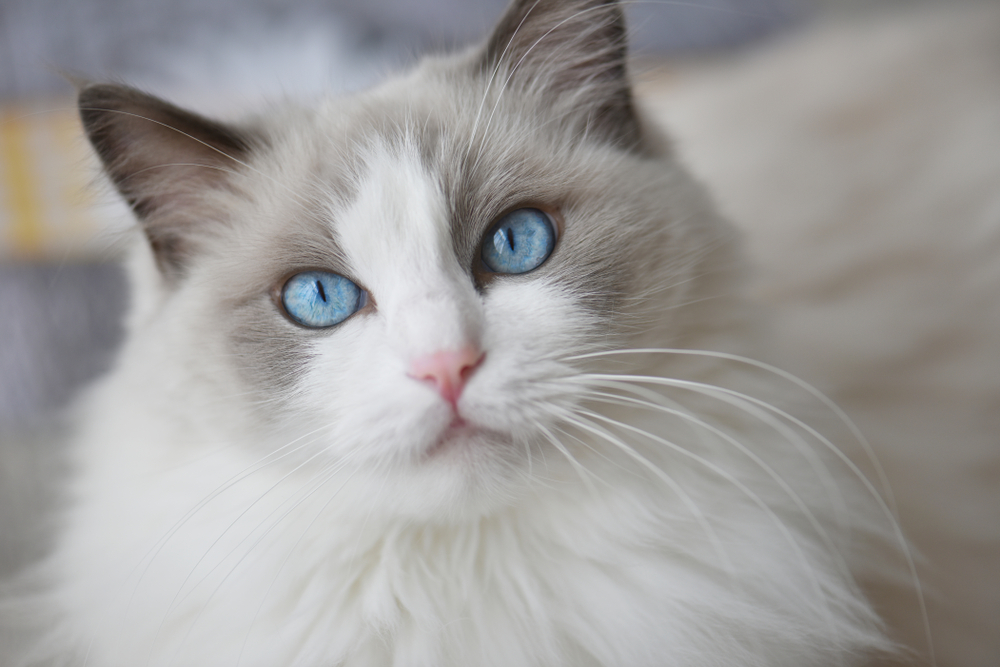
Siamese cats are famous for their striking looks and loud voices. Their slim bodies and blue almond-shaped eyes catch attention easily. These cats are not shy about expressing themselves. They use many sounds to communicate their feelings and needs. Owners often find their Siamese chatty and full of personality.
Personality And Vocal Patterns
Siamese cats are social and love attention. They bond closely with their humans. Their vocal style is unique and often described as “talkative.” These cats use their voices more than most breeds. They enjoy “talking” throughout the day. Their sounds can be sharp or soft, depending on their mood. Siamese cats often “chat” to ask for food or play. They have a strong desire to be heard.
Common Noises Made
Siamese cats make a range of noises. Their most famous sound is a loud, low-pitched meow. It can sound like a human baby crying. They also purr loudly when happy or relaxed. Sometimes they make a yowling sound to demand attention. These cats may chirp or chatter when watching birds. Their noises are clear and easy to recognize. Expect a Siamese cat to fill your home with sound.
Maine Coon Cats
Maine Coon cats are one of the largest and most popular cat breeds. They have long, thick fur and tufted ears. These cats are known for their friendly nature and gentle personality. Many owners find their voices quite unique compared to other cats.
Unique Vocal Habits
Maine Coons do not usually meow loudly like other cats. They tend to use soft chirps and trills. Their sounds often resemble bird calls more than typical cat meows. These cats can produce many different noises to show their mood. Their vocal habits are quite charming and unusual.
Communication Style
Maine Coons use their voices to communicate clearly. They often talk to their owners in a gentle way. These cats also use body language to express themselves. Their meows and purrs help them connect with people and other pets. They are very social and enjoy having conversations.
Sphynx Cats
The Sphynx cat stands out with its unique hairless look and lively personality. This breed loves attention and enjoys being around people. Their unusual appearance often surprises new cat lovers. But beyond looks, Sphynx cats are known for their talkative nature. They use their voice to communicate feelings and needs clearly.
Chattiness And Social Behavior
Sphynx cats are very social animals. They seek interaction and want to be part of family activities. Their chattiness matches their friendly and curious nature. These cats do not like being alone for long. They often call out to their owners to join play or cuddle time. Their social behavior makes them vocal companions.
Typical Vocal Expressions
Sphynx cats have a wide range of sounds. They use gentle meows to greet or ask for attention. Sometimes, their voice gets louder if they feel hungry or lonely. Purring is common when they are relaxed or happy. These cats also make chirps and trills during play or excitement. Their vocal expressions help owners understand their moods well.
Bengal Cats
Bengal cats are known for their wild look and playful nature. Their fur looks like a leopard’s, with spots and rosettes. These cats are active and love to explore. They need a lot of attention and playtime. Bengal cats can be quite vocal, making them stand out in a quiet home.
Energy Levels And Noise
Bengal cats have very high energy. They run, jump, and climb all day. This activity can lead to more noise. Bengals often meow to ask for play or food. Their energy means they need space to move around. Without enough play, they might become louder.
Distinctive Sounds
Bengals make unique sounds that differ from other cats. They often chirp, chatter, and trill. These sounds show excitement or curiosity. Bengals also use loud meows to get attention. Their voice is clear and sharp. It is easy to notice a Bengal cat’s calls.
Oriental Shorthair Cats
Oriental Shorthair cats stand out with their sleek bodies and large ears. They look elegant and have a curious, lively personality. These cats love to talk and express themselves through sound. Many owners find their chatter both charming and loud. Their voice is part of their unique character.
Vocal Intensity
Oriental Shorthairs are known for their strong, clear voices. They meow loudly and often. Their calls can be sharp and persistent. This breed uses sound to get attention or share feelings. Quiet moments with an Oriental Shorthair are rare. They can fill a room with their voice quickly.
Interaction With Owners
These cats enjoy talking with their owners. They respond to voices and join conversations. Oriental Shorthairs want to be part of family life. Their vocal nature shows their need for attention and love. Talking helps them bond and express happiness or needs. Owners should be ready for a chatty companion.
Other Noisy Breeds
Some cat breeds are known for being talkative beyond the usual meows. These cats use their voices to share feelings and get attention. They have unique sounds that make them stand out. Let’s explore other noisy breeds that cat lovers often notice.
Turkish Van
The Turkish Van is a lively and vocal breed. They often make chirps and trills rather than loud meows. Their voices express curiosity and excitement. Owners say these cats love to “talk” during playtime. They also use soft meows to ask for food or petting.
Scottish Fold
Scottish Folds have a gentle but frequent voice. They use soft meows to communicate needs and feelings. These cats can be quite chatty with their owners. Their sounds are sweet and often come with affectionate gestures. They enjoy sharing quiet conversations throughout the day.
Managing Vocal Cats
Managing vocal cats takes patience and consistency. Some breeds talk more than others. Their meows can be loud and frequent. Understanding their needs helps reduce noise. You can guide your cat’s behavior with simple steps.
Training your vocal cat helps them learn when to be quiet. It also strengthens your bond. Let’s explore easy ways to manage noisy cats.
Training Tips
Start by rewarding quiet moments with treats or praise. Ignore loud meows that demand attention. This teaches your cat that silence brings rewards. Use short, clear commands like “quiet” or “no.” Repeat gently but firmly. Be patient. Training takes time.
Provide plenty of playtime to reduce boredom. Tired cats meow less. Use toys that mimic hunting. This keeps your cat busy and happy. Avoid yelling or punishment. It can increase stress and noise.
Creating A Calm Environment
Noise can rise if your cat feels stressed. Create a peaceful space with cozy beds and hiding spots. Soft music or white noise can soothe some cats. Keep their routine steady. Sudden changes can cause anxiety and loud meows.
Place food and water bowls in quiet areas. Clean litter boxes often. A happy cat tends to be quieter. Calm surroundings help your vocal cat relax and meow less.
Choosing A Vocal Cat Breed
Choosing a vocal cat breed means understanding their talkative nature. Some cats love to chat and express themselves loudly. Others prefer quiet ways to show love. Picking a vocal cat means knowing your own style. It helps to match your daily habits with the cat’s personality. This way, both of you feel happy and comfortable.
Matching Lifestyle And Personality
Different cat breeds have different noise levels. Some breeds are active and loud. Others are calm and quiet. Consider how much noise fits your home. Busy families might prefer cats that are not very loud. People who enjoy talking to their pets may like vocal cats. Vocal breeds need attention and enjoy interacting. They often want to be part of every moment.
What To Expect In Noise Levels
Vocal cats can meow, chirp, or yowl often. They use sounds to share feelings and needs. Some breeds talk more during the day, others at night. Noise levels can change with age and mood. Expect more sounds when they want food or play. Understanding their sounds can build a stronger bond. Prepare for a lively home filled with feline voices.

Credit: www.amazon.com
Frequently Asked Questions
Which Cat Breeds Are Known For Being The Loudest?
Siamese, Bengal, and Sphynx cats are among the loudest breeds. They vocalize frequently to communicate with owners. Their meows are distinct and often carry over long distances.
Why Do Some Cat Breeds Meow More Than Others?
Certain breeds are naturally more vocal due to genetics and social behavior. Cats like Siamese use meowing to express needs or emotions frequently. Other breeds may be quieter and less demanding.
How Can I Manage A Noisy Cat Breed At Home?
Provide plenty of attention and mental stimulation to reduce excessive vocalizing. Training and positive reinforcement can encourage quieter behavior. Regular playtime helps meet their social and activity needs.
Are Noisy Cat Breeds More Affectionate Than Quiet Ones?
Often, yes. Vocal cats like Siamese tend to be more social and affectionate. They use meowing to bond and seek interaction with their owners. Quiet breeds might be more independent.
Conclusion
Some cat breeds are naturally more vocal than others. Siamese, Bengals, and Sphynx cats often make the most noise. They use sounds to express their feelings clearly. Quiet breeds like Persians speak less. Knowing a breed’s noise level helps you choose the right cat.
Every cat has its own personality too. Listen to their voices; it tells their story. In the end, noisy or quiet, cats bring joy. Their unique sounds make them special companions. Choose a cat that fits your home and lifestyle.