
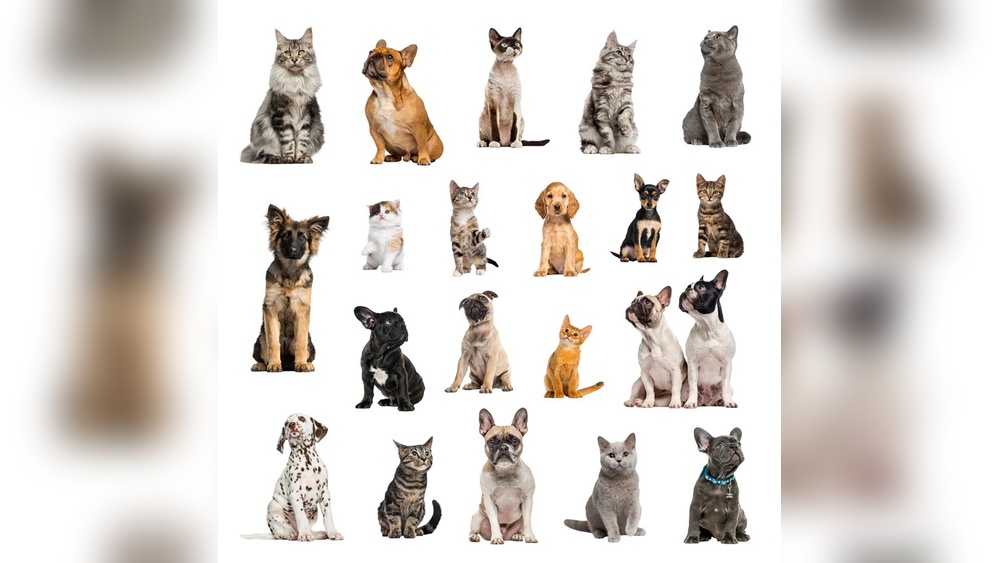
Have you ever wondered why there are so many different dog breeds but far fewer cat breeds? If you’re curious about what makes dogs so diverse compared to cats, you’re not alone.
Understanding this difference can change how you see your furry friends and even help you choose the perfect pet for your lifestyle. You’ll discover the surprising reasons behind the variety in dog breeds and why cats didn’t follow the same path.
Keep reading to uncover the fascinating story behind your favorite animals!
Evolutionary History
The evolutionary history of dogs and cats explains why there are more dog breeds than cat breeds. Their past shaped their diversity. Understanding this helps us see why dogs have so many types.
Domestication Timelines
Dogs were domesticated about 15,000 years ago. People bred them for different jobs. This led to many breeds with special skills and looks.
Cats were domesticated later, around 9,000 years ago. Their role was mainly to catch pests. Less selective breeding meant fewer breeds.
Wild Ancestors
Dogs come from wolves, which have a wide range of behaviors. This variety helped humans develop many dog breeds. Each breed fit a different need.
Cats descend from the African wildcat. These cats are more alike to each other. This limited the variety in domestic cats.
Genetic Diversity
Dogs have high genetic diversity. Breeders mixed many traits, creating unique breeds. This diversity supports many sizes, shapes, and temperaments.
Cats show less genetic diversity. Breeding focused less on physical changes. Most cats look similar, limiting breed numbers.
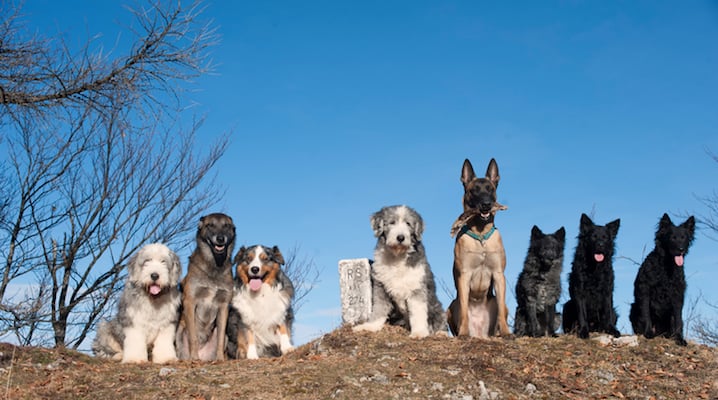
Credit: petwellbeing.com
Human Influence
Humans play a big role in why there are more dog breeds than cat breeds. Over thousands of years, people have shaped dogs to fit many needs. This shaping changed dogs a lot more than cats. The way humans breed animals explains much about the variety we see today.
Selective Breeding Practices
People chose dogs with certain traits to breed. This helped create new types of dogs. Traits like size, color, and behavior were important. Breeders aimed to keep the best traits in each breed. This careful selection made many dog breeds possible.
Purpose-driven Breeding
Dogs were bred to do specific jobs. Some were made to herd sheep. Others to hunt or guard homes. Each job needed different skills and looks. Cats were mostly pets or hunters of small pests. Their breeding did not focus on many jobs.
Cultural Preferences
Different cultures liked different dogs. Some wanted strong dogs for protection. Others liked small dogs for company. These tastes created many breeds in different places. Cats did not have as many cultural roles. This led to fewer cat breeds overall.
Behavioral Differences
Dogs and cats show clear differences in how they behave. These differences affect the variety of breeds each species has. Understanding their behavior explains why dogs have more breeds than cats. Their social habits, learning ability, and how they handle change play big roles.
Social Structure
Dogs live in groups called packs. They rely on clear roles and teamwork. This social nature means dogs adapt well to different group settings. Breeders used this to create many types of dogs for specific jobs. Cats are mostly solitary animals. They do not form packs or need a strict social order. This limits the need for many cat breeds based on social traits.
Trainability
Dogs learn commands and tasks quickly. They respond well to training and rewards. This trait helped humans breed dogs for hunting, herding, and guarding. Each job required different skills and looks. Cats are harder to train. They act more independently and less focused on human commands. This keeps cat breeds more similar in behavior and purpose.
Adaptability
Dogs can live in many environments. They adjust to homes, farms, and wild areas. This flexibility created a demand for many dog breeds. Each breed fits a specific environment or task. Cats prefer stable, familiar places. They adapt less to new roles or jobs. This reduces the variety of cat breeds compared to dogs.
:strip_icc()/reasons-dogs-are-better-than-cats-hero-586c4c603dd440f2b2acaa5af65ff09c.jpg)
Credit: www.thesprucepets.com
Physical Variation
Physical variation plays a big role in why there are more dog breeds than cat breeds. Dogs show a wide range of differences in their bodies. These differences come from centuries of breeding for specific jobs and looks. Cats, on the other hand, have stayed more alike in their shapes and sizes. This section explains the main physical traits that vary in dogs but not as much in cats.
Size And Shape
Dogs come in many sizes, from tiny Chihuahuas to huge Great Danes. Their body shapes also differ a lot. Some dogs have long bodies and short legs, like Dachshunds. Others have square, muscular builds like Boxers. Cats usually have similar body sizes and shapes. Most cats are medium-sized with flexible bodies. This large range in dog size and shape helps create many different breeds.
Coat Types And Colors
Dog coats vary greatly in length, texture, and color. Some dogs have thick, curly fur, while others have short, smooth hair. Dog coats can be spotted, striped, or solid colors. Cats also have different coat colors, but their fur types do not change as much. Cat coats are usually short or medium length with fewer patterns. The many dog coat types add to breed diversity.
Functional Traits
Dogs were bred for many jobs, like hunting, herding, or guarding. Their bodies changed to fit these roles. For example, Greyhounds have slim bodies built for speed. Bulldogs have strong, stocky bodies for strength. Cats were mainly hunters and did not need such physical variety. This need for different functions caused dogs to develop many unique physical traits.
Breeding Challenges
Breeding dogs and cats presents different challenges. These challenges affect how many breeds exist for each animal. Understanding these difficulties helps explain why dog breeds outnumber cat breeds. Dogs and cats have unique biological and genetic traits. These traits influence how breeders work with them.
Reproductive Rates
Dogs usually have more puppies per litter than cats have kittens. A dog’s litter can range from six to twelve puppies. Cats tend to have smaller litters, often three to five kittens. More offspring means more chances to select traits for new breeds. Dogs also have a longer breeding season. Cats can be seasonal breeders, limiting their offspring number yearly. This difference impacts breed variety growth.
Genetic Constraints
Cats have less genetic diversity than dogs. This limits the variety of physical and behavioral traits. Dogs have been bred for many purposes, like hunting or guarding. Cats have mostly been pets or mousers, with less selective breeding. The limited gene pool in cats slows new breed creation. Dog genetics allow more visible changes and new breed types.
Health Considerations
Selective breeding in dogs can cause health problems. Breeders must balance traits with animal well-being. Some dog breeds have inherited health issues from close breeding. Cats show fewer breed-related health problems overall. This difference affects how breeders select and maintain breeds. Health risks can limit how far breeders develop new cat breeds.
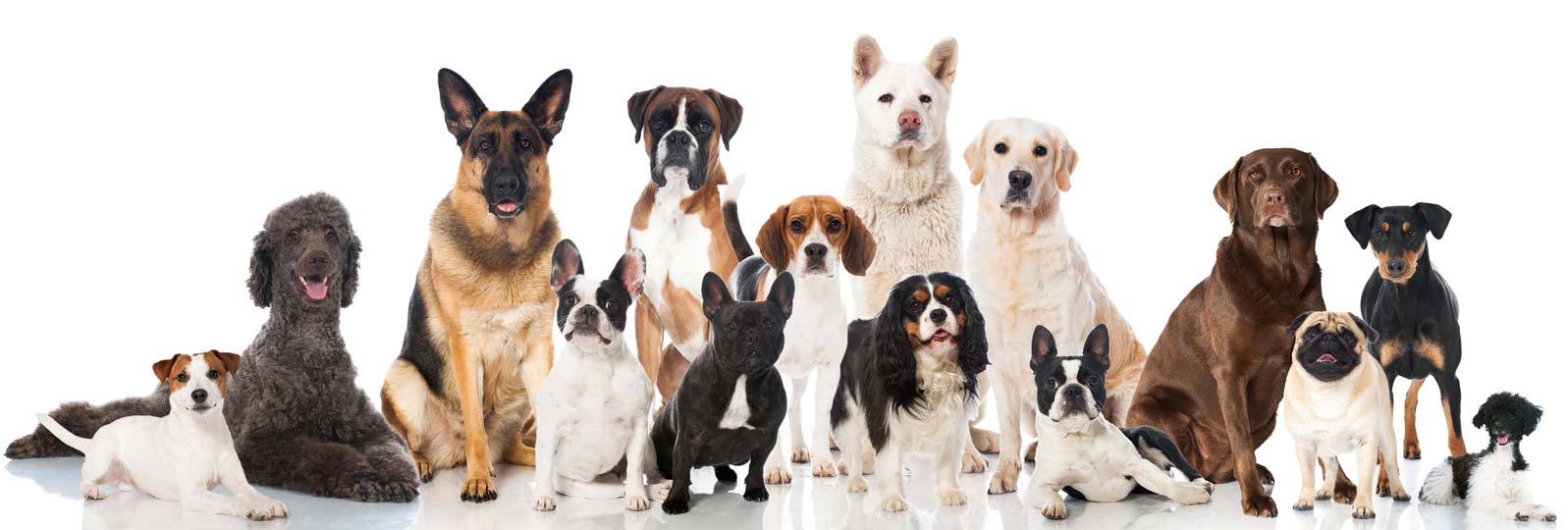
Credit: www.doghealth.com
Breed Recognition
Breed recognition plays a big role in why there are more dog breeds than cat breeds. It means officially naming and describing a breed based on specific features. This process helps people understand and identify different breeds easily.
Dogs have a long history of breeding for many jobs and looks. That made breed recognition more detailed and widespread. Cats, on the other hand, were mostly kept as pets without many changes in breed types.
Breed Standards
Breed standards describe how a breed should look and behave. They include size, color, coat type, and personality traits. These standards guide breeders to keep the breed consistent.
For dogs, breed standards are very detailed. Each breed has clear rules to follow. This helps create many distinct dog breeds.
Cat breed standards are simpler. They focus mostly on coat color and pattern. This leads to fewer officially recognized cat breeds.
Kennel Clubs
Kennel clubs are groups that register and protect dog breeds. They check if dogs meet breed standards. These clubs organize dog shows to display breeds.
Kennel clubs have existed for a long time. They helped create many dog breeds by encouraging breeding within standards. Cat clubs exist too, but they are smaller and less active.
Global Breed Registries
Global breed registries keep official lists of dog and cat breeds. They work with kennel clubs worldwide. These registries approve new breeds and track breed health.
Dog breed registries are large and cover many countries. They support the creation and recognition of new dog breeds. Cat registries are fewer and focus on a limited number of breeds.
Future Trends
The future of dog and cat breeds will shape how we see pets. Changes in breeding, science, and care will affect these animals’ variety and health. These trends will bring new possibilities for owners and breeders alike.
Emerging Breeds
New dog breeds often appear through careful breeding. Breeders try to mix traits that people want. Some new breeds gain popularity fast. Cat breeds change slower because of natural breeding limits. Still, rare cat types may become more known.
Genetic Technologies
Science helps breeders understand animal genes better. Genetic tests can spot health risks early. This knowledge guides breeders to create healthier animals. Gene editing may one day help fix hereditary problems. Ethical rules will shape how these tools are used.
Conservation Efforts
Some dog and cat breeds face extinction. Conservation programs work to save these rare types. They keep gene pools diverse and strong. Protecting old breeds preserves animal history. Support for these efforts grows among animal lovers.
Frequently Asked Questions
Why Are Dog Breeds More Diverse Than Cat Breeds?
Dog breeds vary more due to selective breeding for specific tasks. Humans bred dogs for hunting, herding, and guarding. Cats were mostly bred for companionship and pest control, limiting breed diversity.
How Does Selective Breeding Affect Dog Breed Variety?
Selective breeding creates diverse dog breeds by emphasizing traits like size, color, and behavior. This process is less common in cats, resulting in fewer distinct breeds.
Do Cats Have Fewer Breeds Because Of Natural Selection?
Yes, cats evolved mostly through natural selection, maintaining traits for survival. Dogs were bred by humans for varied roles, increasing breed numbers.
Can Lifestyle Differences Explain Breed Diversity In Dogs And Cats?
Dogs’ active roles in work and sport encouraged breed development. Cats’ primarily solitary and independent nature limited the need for breed specialization.
Conclusion
Dogs have been bred for many jobs and needs over time. People chose traits they liked in dogs and bred them. Cats mostly stayed as pets without much change. This is why dog breeds are so many and varied. Each dog breed has a special role or look.
Cats did not have this kind of variety. Understanding this helps us see why dogs differ so much. The bond between humans and dogs shaped these breeds. This shows how people’s needs affect animal breeds. It’s a simple reason with big effects.