
Have you ever wondered why some cat breeds seem to steal the spotlight while others remain mostly unknown? You might have a favorite feline that doesn’t get the recognition it deserves.
Understanding why certain cat breeds aren’t as recognized can change the way you see your furry friend—and even how the world views cats. Keep reading, because what you discover might surprise you and deepen your connection with your cat in ways you never expected.
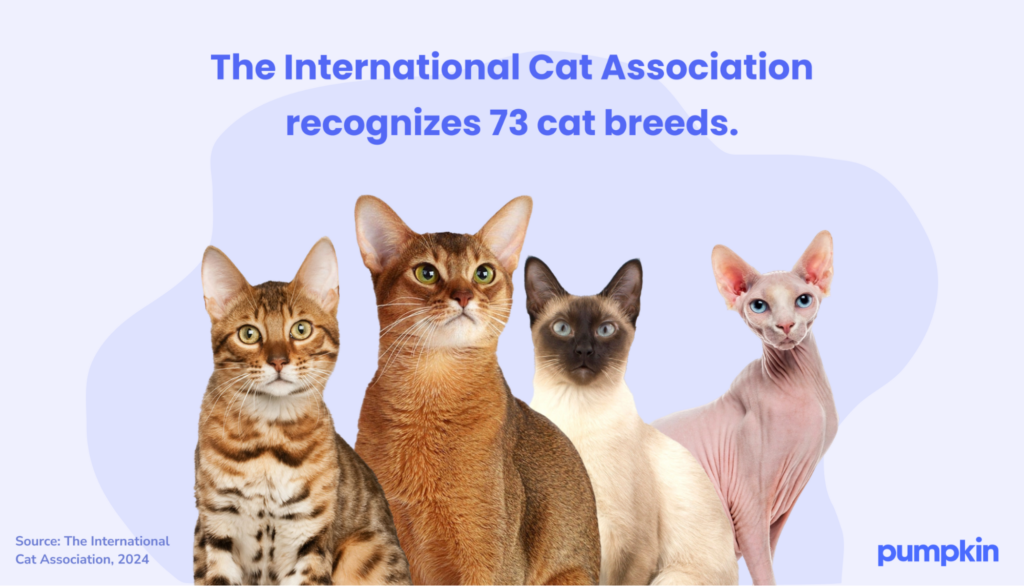
Credit: www.pumpkin.care
Cat Breed Recognition Criteria
Cat breed recognition depends on clear rules and strict checks. Not every breed meets the standards needed to be officially recognized. Several factors shape how cat breeds gain acceptance in the cat world. These include breed standards, the work of cat associations, and the genetics behind each breed.
Breed Standards And Registries
Breed standards describe how a breed should look and behave. They cover size, coat color, eye shape, and body structure. Registries keep records of cats that match these standards. Without a detailed breed standard, a breed may struggle to gain recognition. Registries help breeders maintain consistency and track lineage. They protect the breed’s unique traits over time.
Role Of Cat Associations
Cat associations are groups that decide which breeds get recognized. They set rules for showing cats in competitions. These groups test if a breed is stable and distinct. Recognition by a big association means a breed can enter official shows. Associations also support breeders by sharing knowledge and guidelines. Their approval gives a breed credibility and visibility.
Genetic Diversity And Breed Purity
Genetic diversity is crucial for a breed’s health and survival. Too little diversity can cause health problems. Breed purity means keeping the breed’s traits consistent over generations. Breeders balance purity with healthy gene variety. Associations look for healthy, true-to-type cats when recognizing breeds. Genetic tests often help prove a breed’s purity and health.

Credit: danspetcare.com
Challenges In Recognizing Cat Breeds
Recognizing cat breeds can be tricky. Many factors make it hard to officially classify cats into clear breeds. These challenges affect how breeders, experts, and cat lovers understand and accept different types of cats. Understanding these difficulties helps explain why some cat breeds remain less known or unrecognized.
Lack Of Documentation
Many cat breeds have little written history. Without records, it is tough to prove a breed’s origins. This lack of documentation slows down breed recognition. Breeders need clear evidence of traits passed over generations. Without proper records, a breed cannot meet official standards.
Geographical Variations
Cats from different places often look different, even if they share a name. These regional differences confuse breed classification. A breed in one country may not match the breed in another. This variation makes it hard to agree on a single breed standard. Experts struggle to unify these differences worldwide.
Crossbreeding Effects
Crossbreeding mixes traits from different breeds. This creates cats with unique looks but unclear breed identity. Many cats are hybrids, which complicates recognition. Breeders focus on pure lines, but crossbreeding blurs boundaries. It becomes difficult to decide if a cat fits into one breed or another.
Impact Of Popularity And Demand
Popularity and demand shape which cat breeds gain recognition. Cats that many people want often become well-known. This affects how breeders and clubs choose which breeds to promote. Not all breeds get the same attention or approval.
Market Influence On Recognition
Breeders focus on cats that sell well. Popular breeds bring higher profits. This pushes some rare or new breeds aside. Market demand guides which cats get official recognition. If buyers like a breed, clubs notice it more.
Media And Public Awareness
Media shows certain cat breeds more often. Movies, ads, and social media make some cats famous. Public awareness grows with this exposure. Unknown breeds stay in the shadows without media support. Recognition depends on how many people know about the breed.
Trends In Cat Breeding
Trends change what breeders want to produce. Some breeds become trendy due to looks or personality. Breeders follow these trends to meet demand. Old or less popular breeds may lose attention. Trends shape the future of breed recognition.
Hidden Or Rare Cat Breeds
Many cat breeds remain hidden from the public eye. These rare breeds often live in small populations or specific regions. Their unique traits make them special but less known. This lack of visibility affects their recognition in cat registries. Understanding these hidden or rare breeds helps us appreciate feline diversity.
Examples Of Lesser-known Breeds
Several cat breeds have limited recognition. The Kurilian Bobtail, with its short tail and strong build, is one example. The Sokoke, a wild-looking breed from Kenya, is another. The Turkish Van, famous for swimming skills, also stays under the radar. These breeds show unique traits but lack widespread fame.
Reasons For Limited Recognition
Small populations reduce breed visibility. Many rare breeds come from isolated areas. Limited breeding programs slow down their spread. Lack of media coverage lowers public awareness. Some breeds do not meet strict registry standards. All these factors limit official recognition.
Efforts To Preserve Rare Breeds
Breeders work hard to protect rare cats. They follow careful breeding to keep traits pure. Cat clubs promote awareness and education. Some organizations register these breeds officially. Conservation programs help increase population numbers. These efforts aim to save rare cats from disappearing.
Future Of Cat Breed Recognition
The future of cat breed recognition promises to be more clear and accurate. New tools and ideas help experts understand cat genetics and traits better. This means more breeds might gain official status, and existing ones could be better defined. Progress in science and technology plays a big role in this change.
Advances In Genetic Testing
Genetic testing helps identify unique traits in cats. It can show how different breeds are related. This makes breed recognition more scientific. Tests can find new breeds by spotting distinct genes. Genetic data also helps avoid mistakes in breed classification.
Changing Standards And Inclusion
Cat organizations are updating their breed standards. They include more cats with rare or mixed traits. This helps recognize diverse cat types fairly. Breed clubs listen more to global cat communities. This leads to wider acceptance of many breeds.
Role Of Technology In Breed Documentation
Technology makes it easy to track and share breed information. Digital records store photos, pedigrees, and genetic data. Apps and websites connect breeders and cat lovers worldwide. This improves communication and breed verification processes.

Credit: www.holistapet.com
Frequently Asked Questions
Why Aren’t All Cat Breeds Officially Recognized?
Not all cat breeds are recognized due to strict breed standards and limited genetic documentation. Recognition requires consistent traits, health records, and breed history. Some breeds are too new or rare, making official acknowledgment difficult.
How Do Cat Breed Registries Impact Recognition?
Cat breed registries set breed standards and validate pedigrees. Different registries have varying recognition criteria, causing inconsistencies. A breed might be recognized by one registry but not others, affecting its official status globally.
What Challenges Prevent New Cat Breeds Recognition?
Challenges include lack of genetic stability, inconsistent traits, and insufficient breed population. Breeders must show distinct, reproducible features over generations. Without this, official recognition is delayed or denied by cat associations.
Does Breed Recognition Affect Cat Breed Popularity?
Yes, recognized breeds often gain more popularity and demand. Recognition boosts breed credibility and breeder interest. Unrecognized breeds may struggle for exposure despite unique qualities, impacting their growth and acceptance.
Conclusion
Cat breeds often go unrecognized due to many factors. Some breeds look very similar to others. Others come from rare or small populations. Breed standards also change over time. Organizations might not list every breed. This makes it hard to know all types.
Still, every cat is special and loved. Understanding this helps us appreciate all cats more. Recognition does not define their value or charm. Each cat deserves care and attention, no matter the breed.