
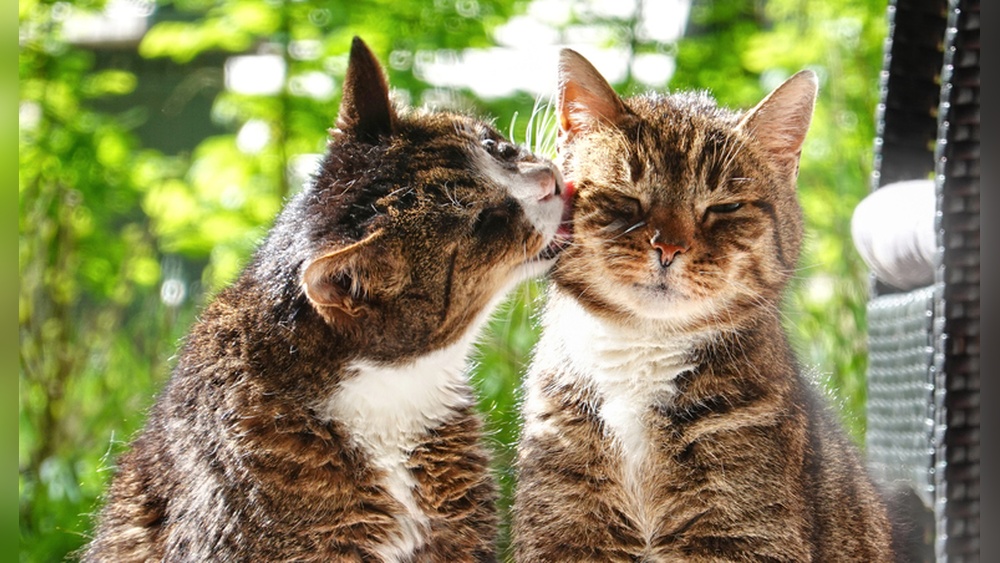
Have you ever noticed your cats suddenly stop grooming each other? It can be surprising and even a little worrying.
Grooming is more than just keeping clean—it’s a way cats show trust and bond with one another. When this behavior changes, it might mean something important about their relationship or health. Keep reading to find out why your cats might have stopped grooming each other and what you can do to help them reconnect.
Normal Grooming Habits
Cats spend a lot of time grooming themselves and each other. Grooming is more than cleaning. It is a way cats connect and feel safe. Cats use their tongues to clean fur and remove dirt. Grooming also helps cats stay calm and relaxed. This behavior is a normal part of their daily routine.
Role Of Social Grooming
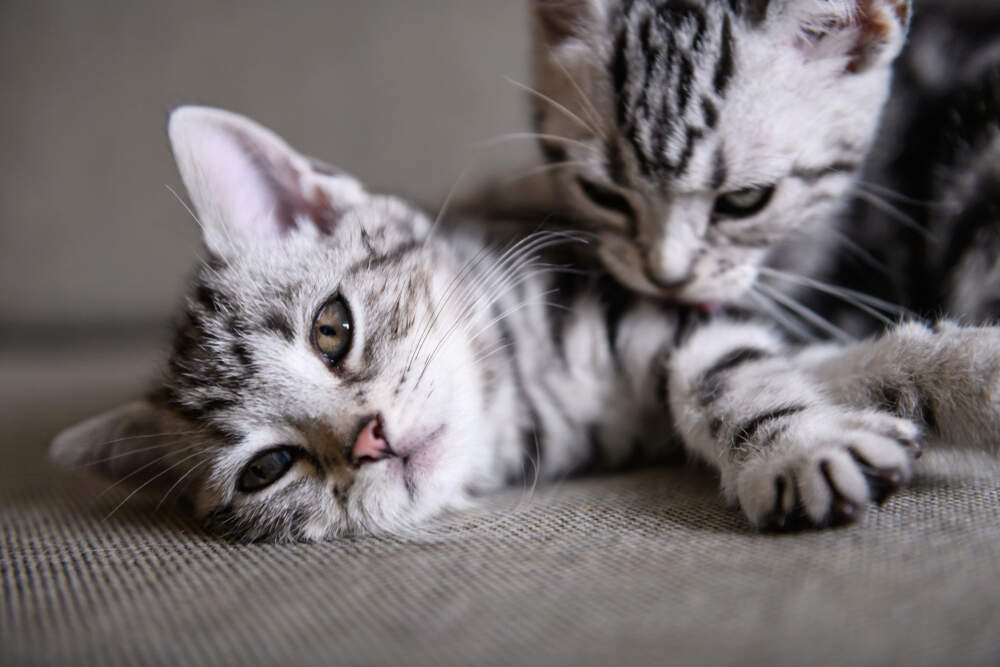
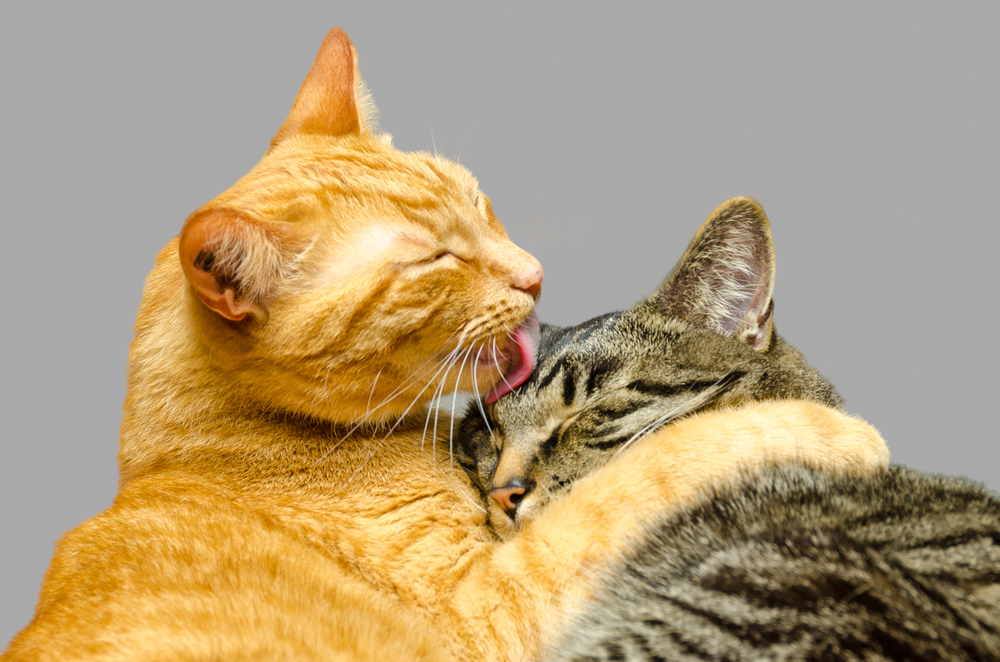
Social grooming means cats clean each other’s fur. It builds trust and friendship between cats. Cats in the same family often groom each other. This shows they care and feel comfortable together. Social grooming helps reduce stress and tension. It also strengthens bonds in a group of cats.
Benefits For Cats
Grooming has many benefits for cats. It keeps their fur clean and free of bugs. Grooming spreads natural oils that make fur soft. It helps cats cool down on hot days. Grooming also prevents skin problems. Social grooming gives cats a chance to relax and feel safe. It improves their mood and health.
Credit: www.comfortzone.com
Changes In Grooming Behavior
Cats groom each other to show care and build trust. Changes in grooming behavior can signal shifts in their relationship. These changes might indicate stress, illness, or social tension. Observing these shifts helps understand the cats’ needs better.
Signs Grooming Is Declining
One cat stops licking the other as often. Grooming sessions become shorter or less frequent. Cats may avoid each other or show irritation. Fur may look less clean or tangled. Sudden changes in grooming habits are a clear sign.
Common Triggers
Stress from new pets or changes at home can cause decline. Illness or pain makes grooming uncomfortable. Age differences may affect energy and interest in grooming. Social conflicts or dominance struggles reduce grooming time. Environmental changes often disturb their usual routine.
Health Issues Impacting Grooming
Cats often groom each other as a sign of friendship and care. When they stop, health issues might be the reason. These problems can make grooming hard or painful for them. Understanding these health issues helps you care better for your cats.
Pain And Discomfort
Pain can stop cats from grooming each other. Joint pain or arthritis makes moving tough. Cats avoid touching sore spots. Grooming requires bending and stretching. Pain limits these movements. Cats may feel uncomfortable and stop grooming.
Skin Conditions
Skin problems affect grooming habits. Cats with itchy skin may not want to be touched. Skin infections or parasites cause irritation. Cats might avoid grooming to prevent more pain. Poor skin health leads to less grooming between cats.
Dental Problems
Dental pain can stop grooming too. Cats use their mouths to groom friends. Toothaches or gum disease make this painful. Cats with dental issues may avoid close contact. This reduces grooming behavior between cats.
Credit: www.catster.com
Stress And Environmental Factors
Cats stop grooming each other for many reasons. Stress and changes in their environment play a big role. Cats feel safe and calm when their surroundings stay the same. Any change can make them nervous. This nervousness can stop them from grooming their friends.
Stress affects cats deeply. It can make them avoid close contact. Grooming shows trust and comfort. When cats feel stressed, they may not want to be so close. This can cause a breakdown in their grooming habits.
New Pets Or Changes
Adding a new pet can confuse cats. They need time to adjust to new friends. New animals change the balance in the home. Cats may feel less safe or unsure. This can cause them to stop grooming each other.
Changes like moving house or new furniture also stress cats. They may hide or act distant. Grooming often stops during these times. Cats need calm and routine to feel secure.
Territorial Disputes
Cats are very territorial. They mark their space and protect it. When two cats fight over territory, grooming stops. Fighting creates tension and fear. Cats do not want to be close to rivals.
Territorial disputes can last days or weeks. Until cats feel safe again, grooming will likely stay away. Respecting each cat’s space helps reduce fights and stress.
Lack Of Privacy
Cats need quiet places to relax. If they feel watched or disturbed, they get stressed. Lack of privacy can stop grooming. Cats groom each other in calm, safe moments.
Crowded or noisy homes make cats uneasy. They may avoid grooming to protect themselves. Giving cats private spots helps them feel calm. This encourages grooming and bonding.
Social Dynamics And Hierarchy
Social dynamics and hierarchy play a big role in how cats groom each other. Grooming is more than cleaning. It is a way for cats to bond and show trust. But changes in their social order can stop this behavior. Understanding these changes helps explain why cats stop grooming each other.
Dominance And Submission
In cat groups, some cats are leaders. Others follow or submit. Grooming often shows this balance. A dominant cat may allow a submissive cat to groom it. This act builds peace and respect.
When dominance shifts, grooming can stop. A cat feeling less powerful might stop grooming. Or a dominant cat may reject grooming from others. This signals a change in their relationship. Grooming reflects who is in charge.
Shifts In Cat Relationships
Cat friendships change over time. New cats join, or old ones leave. Stress and illness can also change how cats act. These shifts affect grooming habits.
Less grooming means less trust or comfort. Cats that once groomed each other may grow distant. This distance shows a change in their bond. It is a natural part of cat social life.
Age And Grooming Patterns
Age plays a big role in how cats groom each other. As cats get older, their grooming habits often change. These changes affect their social bonds and daily routines. Understanding these shifts helps explain why cats might stop grooming each other over time.
Impact Of Aging
Older cats may find grooming harder. Their joints can become stiff or sore. This discomfort makes bending or reaching difficult. Sometimes, eyesight or dental problems also affect grooming. Older cats might groom less often or miss spots.
As a result, grooming between cats can decrease. Cats that once groomed each other might stop. Aging affects their ability to maintain the social grooming habit.
Changes In Energy Levels
Energy drops as cats grow older. They tend to rest more and move less. Grooming takes effort and time. Lower energy means less interest in grooming others.
Older cats may prefer to groom themselves only. They might not join group grooming sessions. This shift changes how cats interact and bond with each other. Energy changes contribute to the decline in mutual grooming.
How To Encourage Grooming
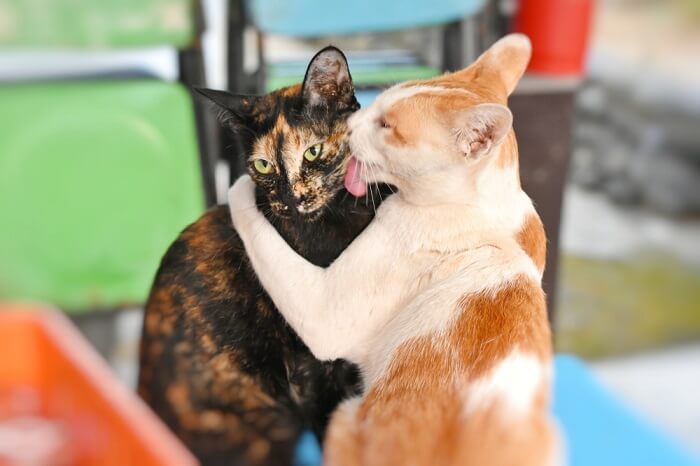
Encouraging cats to groom each other helps build strong bonds. Grooming shows trust and comfort between cats. When grooming stops, try simple steps to bring it back.
Creating A Calm Environment
Cats groom more when they feel safe and relaxed. Keep their space quiet and free from loud noises. Provide cozy spots for them to rest. Avoid sudden changes in their routine. A calm home helps cats feel peaceful and friendly.
Health Checkups
Illness or pain can stop grooming. Take cats to the vet for regular checkups. Make sure they have no skin problems or injuries. Healthy cats are more likely to groom each other. Early health care prevents grooming issues.
Positive Reinforcement
Reward cats when they groom each other. Use gentle petting or small treats. Praise them with a soft voice. This encourages them to groom more often. Positive feelings help rebuild grooming habits quickly.
Credit: cats.com
Frequently Asked Questions
Why Do Cats Stop Grooming Each Other Suddenly?
Cats may stop grooming due to stress, illness, or changes in their social dynamics. Grooming often signals bonding, so stopping could mean discomfort or conflict.
Can Health Issues Cause Cats To Stop Grooming Friends?
Yes, health problems like pain or skin conditions can reduce grooming behavior. Sick cats might avoid grooming or being groomed to prevent discomfort.
Does Age Affect Cats’ Grooming Habits Together?
Older cats may groom less due to reduced mobility or arthritis. Younger cats often groom more, so aging can change their social grooming patterns.
How Does Stress Impact Cats’ Mutual Grooming?
Stressful environments or changes can cause cats to stop grooming each other. It signals anxiety and disrupts their usual social bonding rituals.
Conclusion
Cats stop grooming each other for many reasons. Sometimes, they feel stressed or sick. Changes in their home can also cause this. When grooming stops, it may show a change in their bond. Watching your cats closely helps you understand their feelings.
You can help by giving them space and comfort. Remember, each cat is different and needs care. Keep an eye on their behavior to keep them happy. Caring for your cats means noticing these small changes. This helps keep their friendship strong and healthy.