
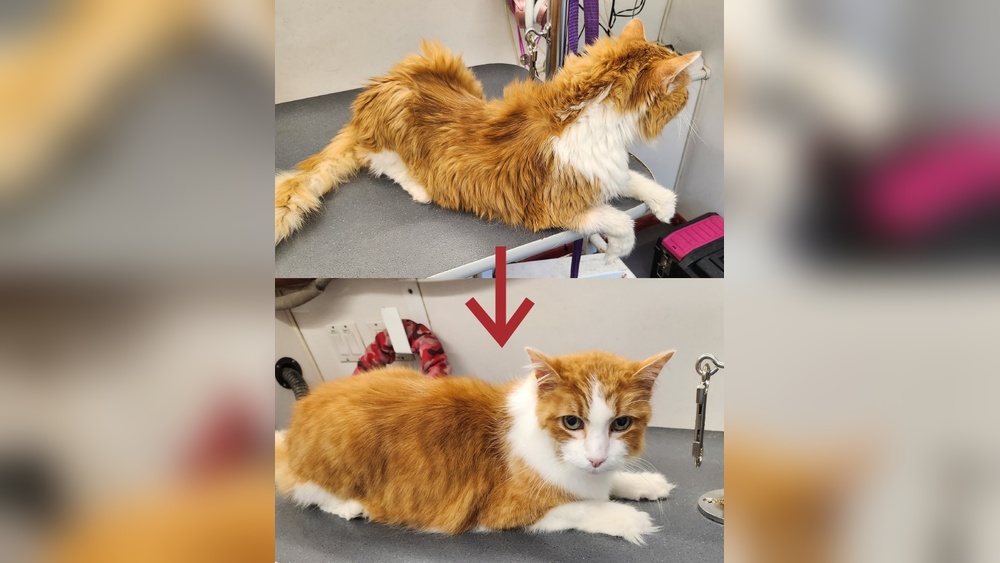
Have you ever wondered why cat grooming is so important for your furry friend? Taking the time to groom your cat isn’t just about keeping them looking good—it plays a big role in their health and happiness.
When you understand the real reasons behind grooming, you’ll see how it can prevent problems before they start and strengthen the bond between you and your cat. Keep reading, and you’ll discover simple yet powerful ways to make grooming a positive experience for both of you.
Benefits Of Cat Grooming
Cat grooming offers many benefits for both cats and their owners. Regular grooming helps keep your cat healthy and comfortable. It also improves their appearance and mood. Grooming is not just about cleaning. It plays a key role in your cat’s overall well-being.
Improved Coat Health
Grooming removes dirt and loose fur from your cat’s coat. This keeps the fur clean and shiny. It prevents mats and tangles that cause pain. Brushing spreads natural oils, making the coat soft and healthy. A well-groomed coat also protects your cat’s skin.
Early Detection Of Health Issues
Regular grooming helps spot health problems early. You can notice lumps, bumps, or skin changes quickly. It also reveals fleas, ticks, or wounds. Early detection means faster treatment and less pain for your cat. Grooming time is a great chance to check your cat’s health.
Reduced Shedding And Hairballs
Brushing your cat reduces shedding around the house. It removes loose hair before your cat swallows it. This lowers the chance of hairballs, which can upset your cat’s stomach. Less hair on furniture and floors means a cleaner home. Grooming helps keep shedding under control.
Strengthened Bond With Your Cat
Grooming creates quiet, gentle moments with your cat. It builds trust and comfort between you. Your cat learns to enjoy your touch and attention. This strengthens your relationship over time. Grooming is a way to show love and care daily.
Grooming Tools You Need
Proper grooming keeps your cat healthy and happy. The right tools make grooming easier and safer. Each tool serves a unique purpose for your cat’s care. Using these tools regularly helps prevent skin problems and matting. Here are the essential grooming tools every cat owner needs.
Types Of Brushes And Combs
Brushes and combs remove loose fur and dirt from your cat’s coat. Slicker brushes work well for long-haired cats. They gently detangle and remove mats. Fine-toothed combs help catch small knots and fleas. Bristle brushes are good for short-haired cats. Choose a brush based on your cat’s fur type.
Nail Clippers And Trimmers
Trimming your cat’s nails prevents scratching injuries and damage. Use small, sharp clippers designed for pets. Trim only the sharp tips to avoid hurting your cat. Regular nail care keeps paws healthy and comfortable. Be calm and gentle during nail trimming sessions.
Shampoos And Wipes
Cat shampoos keep your pet clean and fresh. Use formulas made especially for cats. Avoid human shampoos as they can irritate skin. Waterless wipes help clean cats that dislike baths. Wipes are great for quick cleanups and sensitive skin.
Other Helpful Accessories
Grooming gloves remove loose hair and massage the skin. They are perfect for shy or scared cats. A grooming mat or towel helps keep your area clean. Use a soft cloth to clean your cat’s face and ears. These tools improve grooming comfort for both you and your cat.
Grooming Techniques For Cats
Grooming cats keeps them healthy and happy. It helps remove dirt and loose fur. Regular grooming prevents hairballs and skin problems. It also strengthens the bond between you and your cat.
Different cats need different grooming care. Using the right techniques makes grooming easy. It reduces stress for both you and your pet.
Brushing Tips For Different Fur Types
Short-haired cats need a soft brush once a week. Long-haired cats need daily brushing to avoid mats. Use a wide-toothed comb for thick fur. Be gentle to avoid pulling on the skin. Brush in the direction of hair growth. This helps remove loose fur and dirt.
Safe Nail Trimming Methods
Trim nails every two weeks to prevent overgrowth. Use a sharp nail clipper made for cats. Hold the paw gently and press to extend the nail. Avoid cutting the pink part called the quick. Cut only the sharp tip to avoid pain. Reward your cat after trimming to build trust.
Bathing Your Cat Comfortably
Most cats do not need frequent baths. Bathe only if the cat is dirty or has fleas. Use warm water and cat-safe shampoo. Wet the fur slowly, avoiding the head. Rinse thoroughly to remove all shampoo. Dry the cat with a towel and keep warm.
Cleaning Ears And Eyes
Check ears weekly for dirt or wax buildup. Use a damp cotton ball to wipe gently. Never insert anything deep into the ear canal. Wipe around the eyes with a soft, damp cloth. Remove tear stains or debris carefully. Keep the area clean to prevent infection.

Credit: www.fourpaws.com
Dealing With Common Grooming Challenges
Grooming cats can be challenging at times. Many cats feel nervous or scared during grooming. Some cats show aggressive behavior. Tangled fur and shedding add to the difficulty. Understanding common grooming issues helps make the process smoother.
Handling Anxious Or Aggressive Cats
Stay calm and patient. Use soft voices and gentle strokes. Short grooming sessions reduce stress. Offer treats to create positive associations. Use a towel to safely hold aggressive cats. Avoid forcing grooming to prevent injury.
Preventing Matting And Tangles
Brush your cat regularly. Focus on areas prone to tangles like behind ears and under legs. Use a comb for long-haired cats. Mats can cause pain and skin problems. Cut out mats carefully or seek help if needed.
Managing Excessive Shedding
Shedding is natural but can be heavy. Brush daily during shedding season. Use grooming tools designed for shedding control. Keep your cat’s diet healthy to reduce shedding. Vacuum often to keep your home clean.
When To Seek Professional Help
Visit a groomer for tough mats or nail trimming. Seek help if your cat is very anxious or aggressive. A professional has tools and experience. They ensure safe and stress-free grooming. Regular professional grooming keeps your cat healthy.
Grooming And Cat Health
Grooming plays a key role in keeping cats healthy. It helps maintain their skin and coat in good shape. Regular grooming also helps catch health problems early. This care supports a cat’s overall well-being. Understanding these benefits shows why grooming matters for your cat’s health.
How Grooming Affects Skin And Coat
Brushing removes dirt and loose fur from the coat. It spreads natural oils that keep fur soft and shiny. Grooming reduces hairballs by removing excess hair. Clean skin lowers the chance of dryness and irritation. Healthy skin and coat mean a happier cat.
Preventing Parasites And Infections
Grooming helps spot fleas, ticks, and other parasites early. Removing parasites stops them from causing infections. Regular checks keep wounds clean and free from germs. Grooming lowers the risk of skin infections and diseases. Early care protects your cat’s health and comfort.
Supporting Overall Well-being
Grooming reduces stress by calming your cat during touch. It strengthens the bond between you and your pet. Regular care helps cats feel safe and cared for. Grooming sessions can improve a cat’s mood and behavior. This care supports both physical and emotional health.
Signs To Watch During Grooming
Watch for redness, bumps, or bald spots on the skin. Check for unusual lumps or scabs that might need attention. Notice if your cat shows pain or discomfort when touched. Look for signs of excessive scratching or licking. Early spotting helps get quick treatment and relief.

Credit: www.catsessentials.com
Creating A Grooming Routine
Creating a grooming routine for your cat helps keep their coat clean and healthy. It also strengthens the bond between you and your pet. A routine makes grooming easier and less stressful for both of you. Consistency is key to making grooming a natural part of your cat’s life.
Frequency Recommendations
Most cats need grooming once or twice a week. Long-haired cats may require daily brushing. Short-haired cats do well with weekly grooming. Adjust the frequency based on your cat’s needs and coat type. Watch for mats or tangles and groom more often if needed.
Setting Up A Comfortable Environment
Choose a quiet, calm space for grooming sessions. Avoid noisy or busy areas that might scare your cat. Use a soft surface like a towel or blanket. Keep grooming tools close at hand to avoid interruptions. A calm environment helps your cat relax during grooming.
Making Grooming A Positive Experience
Start slowly and be gentle with your cat. Use treats and praise to reward good behavior. Take breaks if your cat feels stressed. Keep sessions short at first, then gradually increase time. Positive experiences help your cat enjoy grooming more.
Involving Family Members
Teach family members how to groom your cat properly. Share tips on handling and using grooming tools gently. Let everyone participate to build your cat’s trust with all. Consistent care from multiple people keeps the routine steady. This teamwork benefits your cat’s health and happiness.
:strip_icc()/understanding-cat-grooming-553960_FINAL-c1db78344e2b4499b48b4302b52b0870.jpg)
Credit: www.thesprucepets.com
Frequently Asked Questions
Why Is Cat Grooming Important For Their Health?
Cat grooming removes dirt, loose fur, and parasites. It prevents skin infections and reduces hairballs. Grooming also improves blood circulation and promotes a shiny coat. Regular grooming keeps cats comfortable and healthy, reducing the risk of illness.
How Often Should You Groom Your Cat?
Cats with short hair need grooming once a week. Long-haired cats require grooming several times a week. Regular grooming prevents matting and hairballs. Adjust frequency based on your cat’s coat type and lifestyle for best results.
Can Grooming Reduce Cat Shedding?
Yes, grooming reduces shedding by removing loose fur. Brushing stimulates skin oils, improving coat health. Regular grooming helps keep fur off furniture and clothes. It also minimizes hairballs caused by swallowed loose fur.
What Tools Are Best For Cat Grooming?
Use a soft-bristle brush for short-haired cats. Long-haired cats benefit from a comb or slicker brush. Nail clippers and grooming wipes are also useful. Choose tools based on your cat’s coat type and grooming needs.
Conclusion
Regular cat grooming keeps your pet clean and healthy. It helps stop mats and hairballs. Grooming also lets you spot health problems early. Your cat will feel more comfortable and less stressed. Spending time grooming builds a strong bond. Simple brushing sessions make a big difference.
Keep your cat happy with regular care. It’s a small effort for long-lasting benefits. Give your cat the love and care it deserves.