
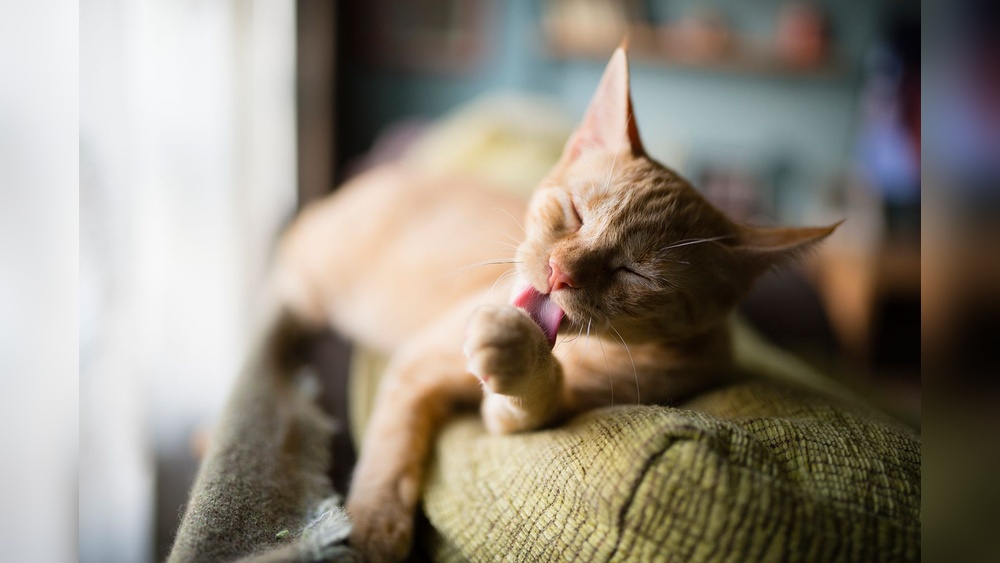
Have you ever watched your cat spend what feels like hours licking and grooming itself? You might wonder why they do it so often and if it’s something you should be concerned about.
Understanding why your cat grooms and licks itself can reveal a lot about their health, mood, and even their happiness. Keep reading, and you’ll discover surprising reasons behind this common behavior that will help you connect better with your feline friend.
Purpose Of Cat Grooming
Cats spend a lot of time grooming themselves. This behavior is natural and important. Grooming helps cats stay healthy and feel comfortable. It serves several key purposes that support their well-being.
Understanding why cats groom can help pet owners care for them better. Each lick and scratch has a reason behind it.
Maintaining Cleanliness
Cats use their tongues to remove dirt and loose fur. Their rough tongues help clean deep into their coats. Grooming keeps their fur free from dust and parasites. This habit also reduces smells that could attract predators or pests.
Regulating Body Temperature
When cats lick themselves, saliva spreads over their fur. As the saliva dries, it cools their skin. This natural cooling helps cats stay comfortable in warm weather. Grooming also helps fluff their fur to keep warm in cold weather.
Stimulating Blood Flow
Grooming massages a cat’s skin gently. This action improves blood circulation under the fur. Better blood flow helps keep their skin healthy and strong. It also aids in healing small wounds or irritations.
Social And Emotional Reasons
Cats groom and lick themselves not only to stay clean but also for social and emotional reasons. Grooming plays a key role in their relationships and feelings. It helps cats connect with others and feel calm. This behavior shows how important grooming is beyond just hygiene.
Bonding With Other Cats
Cats often groom each other to build trust and friendship. This is called allogrooming. It helps them feel close and safe together. Licking another cat’s fur spreads their scent. This creates a group smell that strengthens their bond. Grooming also shows care and helps reduce conflicts.
Reducing Stress And Anxiety
Grooming helps cats feel less stressed. When a cat is nervous, licking calms it down. The repetitive motion is soothing and lowers tension. It works like a natural stress relief. Cats may groom more during changes or strange events to feel safe.
Self-comforting Behavior
Sometimes cats groom to comfort themselves. This happens if they feel lonely or scared. Grooming offers a sense of control and peace. It can also distract from pain or discomfort. This behavior helps cats cope with tough situations alone.
Health Benefits Of Licking
Cats lick and groom themselves often. This habit is more than just cleaning. It helps keep their bodies healthy. Licking plays a key role in their overall well-being. It helps with removing parasites, healing wounds, and preventing skin problems. Understanding these health benefits explains why cats spend so much time grooming.
Removing Parasites
Cats use their tongues to remove tiny pests like fleas and ticks. Their rough tongues catch these parasites from their fur. By licking, cats reduce the number of bugs on their skin. This helps stop infections and keeps cats comfortable.
Healing Wounds
Licking helps clean small cuts and scratches. Cat saliva contains substances that fight bacteria. This reduces the chance of infection and speeds up healing. Cats instinctively lick wounds to protect themselves.
Preventing Skin Problems
Grooming removes dirt and dead skin cells. It helps spread natural oils that keep skin soft. Regular licking stops dry, flaky, or irritated skin. Cats stay healthier with smooth and clean fur.
:strip_icc()/understanding-cat-grooming-553960_FINAL-c1db78344e2b4499b48b4302b52b0870.jpg)
Credit: www.thesprucepets.com
Behavioral Patterns And Instincts
Cats groom and lick themselves often because it is part of their natural behavior. Grooming helps cats stay clean and healthy. It also connects to their instincts passed down from wild ancestors. Understanding these patterns helps explain why cats spend so much time licking their fur.
Inherited Grooming Instincts
Cats are born with grooming instincts. Wild cats needed to clean their fur to stay safe. Grooming removes dirt and parasites. It also helps control body temperature. Domestic cats keep this habit even without danger.
Routine And Habit Formation
Grooming becomes a daily routine for cats. They create habits by licking themselves often. This routine calms them and reduces stress. It also keeps their fur smooth and untangled. Cats feel comfort in this regular behavior.
Grooming As A Territorial Marker
Cats use grooming to mark their territory. Their saliva leaves a scent on their fur. This scent signals other cats to stay away. It helps protect their space and reduce fights. Grooming acts as a silent message to others.
When Grooming Becomes Excessive
Cats spend a lot of time grooming themselves. This keeps their fur clean and healthy. But sometimes, grooming can become too much. Excessive grooming can hurt your cat’s skin and cause bald spots. It can also show that your cat is feeling stressed or sick. Understanding when grooming is too much helps keep your cat safe and happy.
Signs Of Over-grooming
Watch for red, sore, or bald patches on your cat’s fur. These spots show your cat is licking too much. Your cat may also lick one area again and again. You might see scabs or wounds from constant licking. Over-grooming can make your cat’s skin dry and flaky. Notice if your cat changes behavior or hides more.
Possible Medical Issues
Too much grooming can mean health problems. Allergies often cause itchy skin and licking. Parasites like fleas can make your cat uncomfortable. Skin infections also lead to over-grooming. Sometimes, pain from arthritis or injuries causes licking. Stress and anxiety can make grooming a way to cope. Identifying the cause helps treat your cat properly.
Seeking Veterinary Help
Visit the vet if grooming seems excessive. The vet checks for skin problems and infections. They may test for parasites or allergies. Your vet helps find the root cause of licking. Treatment might include medicine or changing your cat’s diet. Early care stops grooming from damaging the skin. Professional advice keeps your cat healthy and calm.
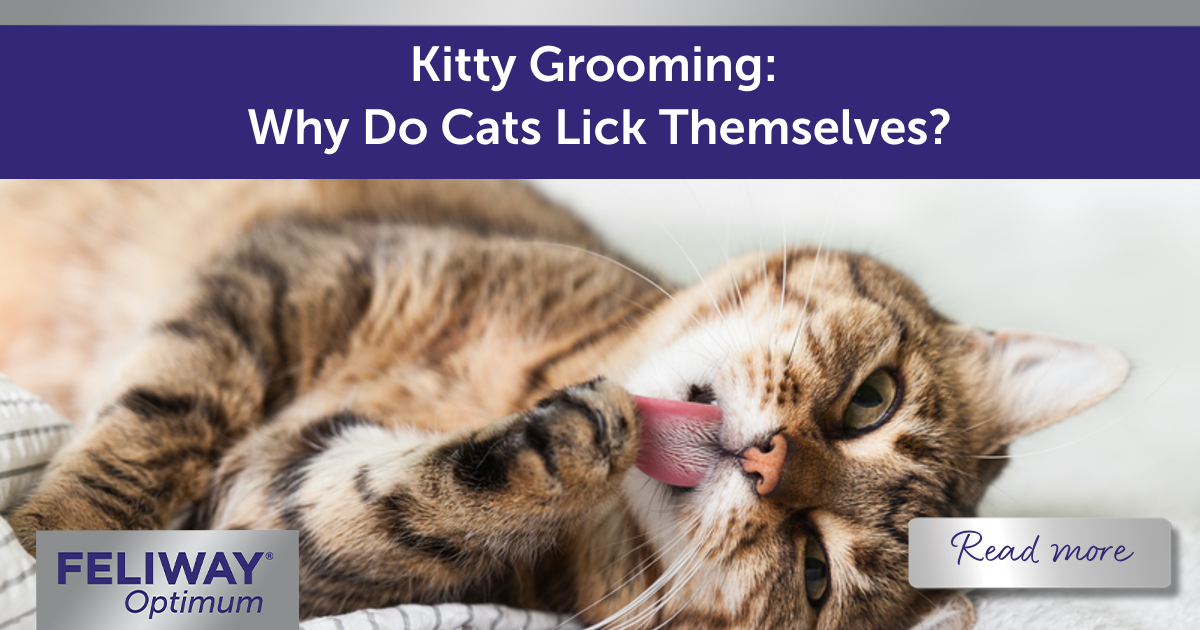
Credit: www.feliway.co.uk

Credit: solidgoldpet.com
Frequently Asked Questions
Why Do Cats Groom Themselves So Frequently?
Cats groom themselves to stay clean, remove dirt, and control body odor. Grooming also helps regulate their body temperature and reduce stress.
How Does Grooming Benefit A Cat’s Health?
Grooming removes loose fur and parasites, promoting healthy skin. It also stimulates blood flow and strengthens the bond with other cats.
Can Excessive Licking Indicate A Health Problem?
Yes, excessive licking may signal allergies, skin infections, or anxiety. If your cat grooms obsessively, consult a vet for proper diagnosis.
Do Cats Groom To Communicate With Other Cats?
Yes, cats use grooming to bond and show affection. Mutual grooming strengthens social ties and establishes trust within a group.
Conclusion
Cats groom and lick themselves to stay clean and healthy. This behavior helps remove dirt, loose fur, and parasites. It also keeps their skin soft and cool. Grooming calms cats and reduces stress. It shows they feel safe and comfortable.
Watching a cat clean itself is natural and normal. Understanding why cats groom helps us care for them better. Keep their fur tidy and enjoy their peaceful moments. Cats know best how to take care of themselves.