
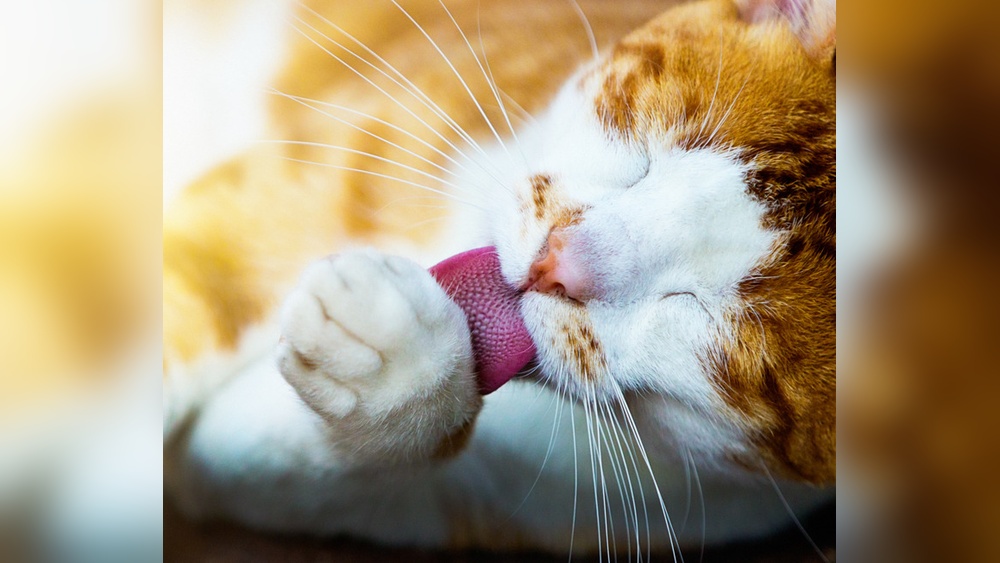
Have you ever noticed your cat suddenly start grooming itself while you’re petting it? It can feel confusing.
You might wonder, “Is my cat upset? Did I do something wrong? ” Understanding why cats groom themselves during these moments can change the way you connect with your furry friend. You’ll discover the surprising reasons behind this common behavior and learn how to respond in a way that makes your cat feel even more comfortable and loved.
Keep reading to unlock the secret language of your cat’s grooming habits.
Credit: www.petscare.com
Cats’ Grooming Habits
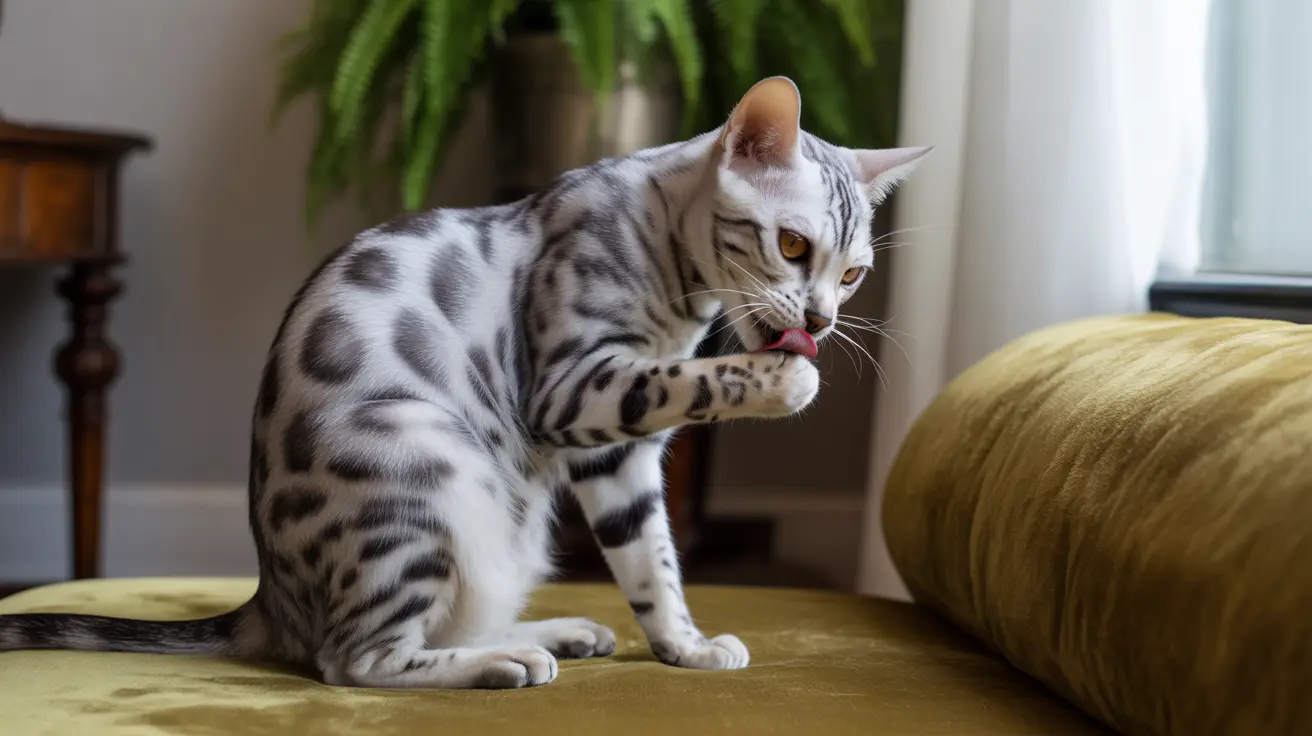
Cats have unique grooming habits that many pet owners notice. They often clean themselves even while you pet them. This behavior is part of their natural routine. Understanding why cats groom themselves can help you connect better with your furry friend.
Grooming is more than just cleaning. It serves many purposes for cats. They rely on this habit for comfort, health, and communication. Observing their grooming habits reveals a lot about their mood and well-being.
Natural Grooming Instincts
Cats are born with strong grooming instincts. From a young age, they learn to lick their fur. This instinct helps keep their coat clean and free from dirt. Grooming also controls scent, so they stay hidden from predators. Even domestic cats keep this natural behavior alive.
When you pet your cat, their grooming instinct can kick in. They might start licking themselves to stay calm or feel safe. This shows how deeply ingrained grooming is in their nature.
Self-cleaning Benefits
Grooming helps cats remove loose fur and dirt. It also prevents skin problems by spreading natural oils. These oils keep their coat shiny and soft. Grooming cools them down by evaporating saliva on their fur.
Besides cleaning, grooming reduces stress. Cats groom to relax and feel secure. It is a way for them to soothe themselves. This explains why cats groom more after petting or playtime.
:strip_icc()/understanding-cat-grooming-553960_FINAL-c1db78344e2b4499b48b4302b52b0870.jpg)
Credit: www.thesprucepets.com
Grooming After Petting
Cats often start grooming themselves right after you pet them. This behavior might seem strange, but it shows how they process touch and feelings. Grooming after petting helps cats stay calm and clean. It also connects with their natural habits and senses.
Response To Sensory Stimulation
Petting sends many signals to a cat’s skin and fur. These signals can feel new or strong. Grooming helps cats adjust to these sensations. It soothes their skin and spreads natural oils. This keeps their coat healthy and soft. Grooming also helps cats feel more relaxed after touching.
Marking Territory With Scent
Cats have scent glands on their bodies. Petting can mix your scent with theirs. Grooming helps cats keep their own smell clear. They spread their natural scent again by licking themselves. This way, cats mark their territory and feel safe. Grooming after petting is a way to protect their personal space.
Stress And Comfort Signals
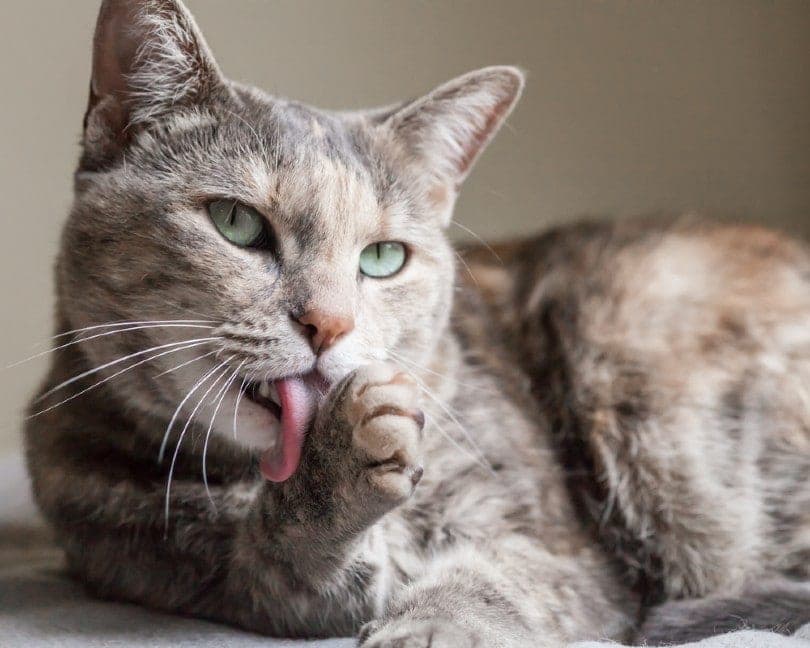
Cats often groom themselves while you pet them. This behavior can tell you a lot about their feelings. Grooming is not just about staying clean. It also helps cats handle stress and feel safe. Understanding these signals can improve your bond with your pet.
Calming Mechanism
Grooming acts as a calming tool for cats. When you pet them, they might feel a little nervous or excited. Grooming helps them relax. It lowers their heart rate and soothes their mind. This calming effect makes them feel more secure around you. It shows they trust you but still need comfort.
Reducing Anxiety
Cats use grooming to reduce anxiety. Petting can sometimes be overwhelming. Grooming gives them a sense of control. It distracts them from stress and worries. This behavior helps cats stay calm in new or uncertain situations. It is their way to cope with tension while enjoying your touch.
Credit: articles.hepper.com
Social Bonding And Communication
Cats use grooming as a way to communicate with each other and with humans. This behavior goes beyond cleaning. It helps build trust and strengthens bonds. When cats groom themselves while you pet them, they may be showing comfort and connection.
Reciprocal Grooming Behavior
Cats often groom each other in groups. This action is called reciprocal grooming. It shows friendship and trust. When your cat grooms itself while you pet it, it might be returning the kindness. Your touch feels like a friendly gesture to them.
Expressing Affection
Grooming is a way cats express love. Self-grooming during petting can mean your cat feels safe. It shows they enjoy your company. Your petting helps your cat relax and feel close to you.
Health Indicators In Grooming
Cats use grooming to show more than cleanliness. Their grooming habits also reveal health signs. Watching these habits helps you understand their well-being. Changes in grooming can point to health issues.
Detecting Skin Irritations
Cats groom to soothe itchy or irritated skin. They lick areas that feel uncomfortable. This behavior signals possible allergies or infections. Spotting frequent licking helps catch skin problems early. Look for redness, bumps, or hair loss too. These signs need a vet’s attention fast.
Maintaining Coat Health
Grooming keeps a cat’s coat smooth and clean. It removes dirt and loose fur. Grooming spreads natural oils that protect the skin. A shiny, soft coat shows good health. Poor grooming may mean pain or illness. Regular grooming means your cat feels well and happy.
Tips To Enhance Petting Experience
Petting your cat can be a wonderful way to bond. Making this time enjoyable helps your cat feel safe and happy. Understanding your cat’s signals improves the experience for both of you. Small changes can make a big difference in how your cat reacts to petting.
Recognizing When To Stop
Cats give clear signs when they want petting to end. Watch for tail flicks, ears moving back, or quick head turns. These signals mean your cat needs a break. Respecting these signs keeps trust strong. Stopping at the right moment avoids stress and discomfort.
Encouraging Positive Interaction
Use gentle strokes and soft tones during petting. Focus on areas cats usually like, such as the chin and behind the ears. Praise your cat with a calm voice to make them feel safe. Offer treats after petting to build positive memories. Consistent kindness helps your cat enjoy touch more.
Frequently Asked Questions
Why Do Cats Groom Themselves During Petting?
Cats groom themselves during petting to stay clean and calm. It’s their natural way to manage stress and bond with you. Grooming also helps them feel comfortable and secure while you pet them.
Is Self-grooming A Sign Of Cat Happiness?
Yes, self-grooming often shows a cat is content. When you pet them, they may groom to express relaxation and trust. It’s a positive behavior that indicates your cat feels safe and loved.
Can Grooming Indicate Stress While Petting?
Sometimes, grooming during petting can signal mild stress. Cats may groom to soothe themselves if they feel overwhelmed. Watch for other signs like tail flicking to understand your cat’s mood better.
How Does Petting Trigger A Cat’s Grooming Reflex?
Petting stimulates a cat’s nerves, triggering grooming instincts. This reflex helps them maintain their coat and comfort. It’s a natural response linking touch and self-care in cats.
Conclusion
Cats groom themselves while you pet them to feel calm and clean. This behavior shows they trust you and enjoy your touch. Grooming helps them stay comfortable and reduces stress. It also keeps their fur healthy and free from dirt.
Watching your cat groom during petting can strengthen your bond. Understanding this habit helps you appreciate your cat more. Next time your cat grooms, know it’s a sign of love and comfort. Simple moments like these make pet care special and rewarding.