
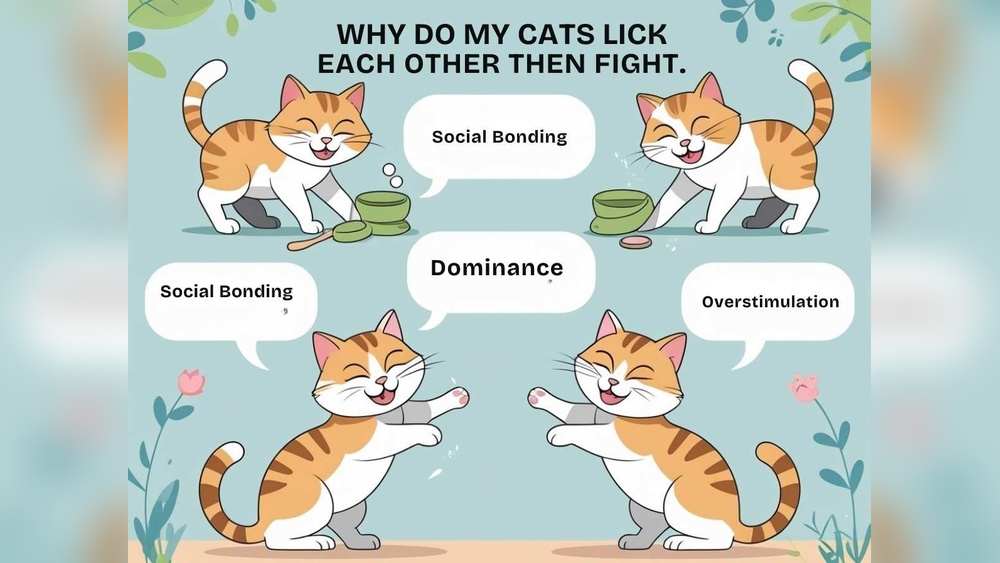
Have you ever watched your cat carefully lick another cat’s fur, only to see them suddenly turn and start a fight? It’s confusing, right?
You might wonder why your furry friend switches from being gentle and loving to aggressive in just seconds. Understanding this surprising behavior can help you better read your cat’s mood and keep peace in your home. Keep reading, and you’ll discover the fascinating reasons behind why cats groom then fight—and what it means for your relationship with them.

Credit: www.catsessentials.com
Cats And Grooming Habits
Cats spend a lot of time grooming themselves and others. Grooming is more than just cleaning. It is a natural behavior that helps cats feel good and stay healthy.
Understanding why cats groom and sometimes fight afterward can help us see their true nature. Grooming shows how cats bond, care for themselves, and manage stress.
Purpose Of Grooming
Cats groom to keep their fur clean and free of dirt. This helps stop skin problems and parasites. Grooming also spreads natural oils that keep fur shiny and soft.
This habit helps cats cool down on hot days and warm up in cold weather. Grooming is a way for cats to take care of their body every day.
Social Grooming Among Cats
Sometimes cats groom each other. This is called social grooming. It shows trust and friendship between cats. Grooming helps build bonds and reduce tension.
Social grooming also helps cats share their scent. This makes their group feel safe and united. It is a way cats say “You belong with me.”
Grooming As Stress Relief
Grooming can calm cats when they feel nervous or scared. It helps them relax and feel in control. Grooming lowers stress and stops bad feelings.
But too much grooming might mean a cat is anxious. Watching how your cat grooms can tell you about its mood and health.
Reasons Behind Cat Fights
Cats often groom each other to build trust and show affection. Yet, grooming can sometimes lead to fights. Understanding why cats fight helps us see their true nature. Cats have strong instincts that guide their behavior. These instincts can cause conflicts, especially in shared spaces.
Territorial Behavior
Cats see their space as very important. They mark territory by scent and actions. If another cat enters this space, they feel threatened. This threat can cause aggressive behavior. Fighting helps cats protect what they consider theirs. It is a natural way to keep others away.
Competition For Resources
Food, water, and resting spots are limited resources. Cats fight to gain or keep access to these. The strongest or most confident cat often wins. This competition can create tension and lead to fights. Sharing is hard when resources are scarce.
Communication Through Aggression
Cats use fights to send clear messages to each other. Aggression can show dominance or warn to stay away. It helps avoid longer, more harmful fights. Body language and sounds also play a role. Fighting is part of how cats express feelings.
Link Between Grooming And Fighting
Cats often groom each other, showing care and trust. Yet, this same act can lead to fights. Understanding the link between grooming and fighting helps explain cat behavior. Grooming is not always just about cleanliness. It plays a role in communication and social structure among cats.
Grooming As A Pre-fight Ritual
Sometimes, cats groom before they fight. This grooming calms nerves and lowers tension. It acts as a way to get close before a possible conflict. Cats use grooming to check each other’s mood. If one cat feels threatened, the grooming can quickly turn into a fight.
Mixed Signals In Cat Interactions
Grooming sends mixed signals to cats. It shows friendliness but also tests boundaries. A cat may start grooming to show trust. If the other cat reacts poorly, a fight may start. This confusion can cause sudden changes in behavior. Cats often struggle to read these signals clearly.
Role Of Hierarchy And Dominance
Grooming also shows social rank. Higher-ranking cats may groom lower-ranking ones. This act reminds cats of their place in the group. If a cat resists grooming, it challenges the hierarchy. This challenge can lead to aggressive fights. Grooming is a way to maintain order among cats.
Behavioral Patterns And Triggers
Cats often show strange behavior by grooming each other and then suddenly fighting. This odd mix comes from their natural habits and feelings. Understanding their behavior helps us see why this happens. Cats communicate in many ways. Grooming and fighting are part of their social signals. These actions depend on certain triggers in their environment and emotions.
Stress And Anxiety Effects
Stress makes cats nervous and tense. Grooming can calm them down. It acts like a way to relax. But too much stress can change this. A cat may start to feel threatened. This fear can turn grooming into aggression. Anxiety makes them less patient with others. Small things can cause a fight to break out.
Misinterpretation Of Social Cues
Cats use body language to talk. Grooming is a sign of trust and friendship. But sometimes cats read signals wrong. What one cat means as play, another sees as a challenge. A gentle lick may feel like a bite. This confusion leads to quick fights. Cats need clear signals to stay calm.
Environmental Influences
Changes in the surroundings affect cat behavior. New smells, sounds, or places can cause stress. Crowded or noisy areas make cats uneasy. They may groom to feel safe. But these changes can also make them defensive. A small disturbance can start a fight. A peaceful setting helps cats stay relaxed.
Managing Cat Relationships
Managing relationships between cats can be tricky. Cats often show affection by grooming each other but may suddenly start fighting. Understanding their behavior helps reduce conflict and stress. Creating a calm and friendly home encourages cats to get along better.
Encouraging Positive Interactions
Give each cat its own space for food, water, and rest. Use toys to promote play and bonding. Praise cats gently when they act friendly. Avoid forcing interactions. Let cats approach each other on their own terms.
Identifying Warning Signs
Watch for stiff body language or growling sounds. Ears pinned back or tail flicking may signal anger. Hissing shows fear or discomfort. Notice changes in grooming habits or hiding. Early signs help prevent fights before they start.
Creating A Peaceful Environment
Keep litter boxes clean and placed in quiet areas. Provide vertical spaces like shelves or cat trees. Ensure enough resources to avoid competition. Maintain a regular routine for feeding and playtime. A peaceful setting helps cats feel safe and relaxed.

Credit: doctorgroomer.com

Credit: www.reddit.com
Frequently Asked Questions
Why Do Cats Groom Each Other Then Suddenly Fight?
Cats groom to bond and show affection, but fights can start from overstimulation or miscommunication. Grooming releases calming pheromones, but a sudden touch or bite may trigger a defensive reaction, leading to a quick fight.
Is Grooming Before Fighting A Sign Of Dominance?
Yes, grooming can establish social hierarchy. The dominant cat may groom the subordinate one to assert control. If the submissive cat resists or feels threatened, this can escalate into a fight.
Can Grooming Cause Aggression In Cats?
Yes, grooming may cause aggression if one cat feels overstimulated or annoyed. Cats have different tolerance levels, and what starts as friendly grooming can turn into irritation and biting.
How Can I Stop My Cats From Fighting After Grooming?
To prevent fights, watch for signs of discomfort during grooming. Interrupt the session if a cat’s tail twitches or ears flatten. Provide separate spaces and supervise interactions to reduce tension.
Conclusion
Cats groom then fight because they show love and test bonds. Grooming builds trust and closeness between cats. Fighting helps them set limits and understand each other. This mix of actions keeps their relationship strong and balanced. Watching these behaviors helps owners learn about cat feelings.
Understanding this can improve how you care for your pets. Cats are complex but caring animals. They express emotions in ways we can observe and respect. This helps create a happy home for both cats and people.