
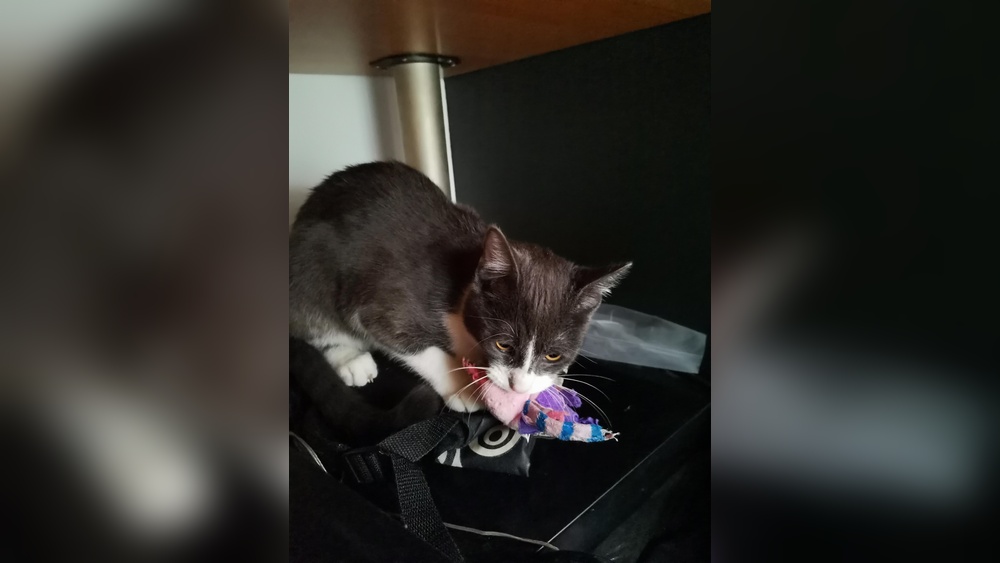
Have you ever noticed your cat growling while playing with their favorite toy? It might seem strange or even a little scary at first.
But there’s a fascinating reason behind this behavior that reveals a lot about how your cat thinks and feels. Understanding why your cat growls when they have a toy can help you connect with them better and make playtime more enjoyable for both of you.
Keep reading to discover the surprising reasons behind this curious growl and what it means for your furry friend.
Cats And Vocal Expressions
Cats use sounds to share how they feel. These sounds tell us if a cat is happy, scared, or upset. Each noise has a special meaning. Understanding these sounds helps us know what our pets need. Cats do not just meow; they have many ways to speak.
Growling is one of these sounds. It often surprises cat owners, especially when a cat growls over a toy. This sound is part of how cats protect what they like. Learning about these sounds helps us care better for our cats.
Common Cat Sounds
Cats make many sounds to talk. Meowing is the most common sound. Cats meow to ask for food, attention, or to say hello. Purring shows contentment or calmness. Hissing warns others to stay away. Growling means the cat feels threatened or protective.
Other sounds include chirping and chattering. These usually happen when cats watch birds or small animals. Each sound gives clues about the cat’s mood and thoughts.
Meaning Behind Growling
Growling means a cat feels upset or scared. It is a warning to others to back off. When a cat growls over a toy, it means the toy is very important to them. They may fear losing it or want to keep it safe.
Growling helps cats protect their space and belongings. It can also show frustration during play. Understanding this sound helps owners respect their cat’s feelings. Giving the cat space can calm it down.
Credit: www.reddit.com
Growling During Play
Cats growl during play to show their excitement and focus. This sound is part of their natural behavior. It helps them feel like real hunters. Growling happens when cats hold or chase toys. It is not a sign of anger but of fun and concentration.
Understanding why cats growl during play gives insight into their wild side. It connects their play with instincts and survival skills. This behavior is common and shows a healthy, active cat.
Instinctual Behaviors
Growling comes from a cat’s natural hunting instincts. Wild cats growl to warn others or scare prey. Domestic cats keep this trait even while playing. Growling helps them stay alert and focused. It shows their readiness to pounce or catch.
This sound also helps cats feel confident during play. It mimics real-life hunting scenarios. Growling is a way cats practice skills needed in the wild.
Toy As Prey Simulation
When cats play with toys, they treat them like prey. The growl is part of this pretend hunt. Toys move like animals, triggering cats’ chase instincts. Growling adds excitement and realism to the play.
Holding a toy and growling means the cat “caught” its prey. This behavior shows satisfaction and control. It makes playtime more engaging and fun for cats.
Territorial Reactions
Cats often growl when they have a toy. This behavior is linked to their sense of territory. Cats see their toys as part of their personal space. Growling is a way to warn others not to come close. It shows how serious they are about keeping their things safe.
Protecting Their Possessions
Cats treat toys like valuable objects. They guard toys from other pets or people. Growling acts as a clear signal to back off. This protectiveness comes from their natural instincts. They want to keep their toys for themselves only.
Toy As A Valued Item
For cats, toys are more than playthings. Toys can feel like treasures or prizes. Cats may feel proud of their toys. Growling helps them show ownership and control. This behavior helps cats feel secure and confident.

Credit: www.reddit.com
Emotional Triggers
Cats use growling to show strong feelings about their toys. These sounds come from deep emotions inside. Understanding these emotional triggers helps us see why cats growl with their toys. Cats do not just play quietly. Their growls tell a story about their mood and energy.
Excitement And Overstimulation
Sometimes, cats growl because they are very excited. The toy makes them jump and chase. This excitement can turn into loud growling sounds. It means the cat is full of energy and ready to play hard.
But too much excitement can lead to overstimulation. The cat’s senses get overwhelmed by movement and noise. Growling acts as a way to release this tension. It shows the cat is feeling intense and needs a break.
Frustration And Aggression
Growling can also happen when a cat feels frustrated. The toy might be hard to catch or hold. This struggle can make the cat upset. Growling is a sign of this frustration.
Sometimes, frustration turns into aggression. The cat may growl to warn others to stay away. It protects its toy and space. This behavior is normal and part of the cat’s natural instincts.
Breed And Personality Influence
Cats growl over toys for many reasons tied to their breed and personality. Different breeds have unique traits that affect how they react to toys. Personality also plays a big role in this behavior. Understanding these influences helps explain why some cats growl while playing.
Variations Among Cats
Some cat breeds are more protective of their toys. For example, Siamese cats can be very vocal and may growl to guard their playthings. Maine Coons, known for their gentle nature, might rarely growl over a toy. These breed differences shape how cats express themselves during play.
Individual Temperament
Each cat has a unique personality. Some cats are shy and may growl to warn others to stay away from their toy. Bold cats might growl to show excitement or to claim a toy. Temperament affects how a cat uses growling as communication during playtime.
How To Respond To Growling
Cats growl with a toy to show they want to keep it safe. They may feel protective or excited. Respond gently to avoid stressing your cat.
Reading Your Cat’s Signals
Growling is a clear sign your cat feels uneasy or protective. It shows your cat is serious about guarding its toy. Watch your cat’s body language closely. Ears flat, tail twitching, or stiff posture often come with growling. These signs mean your cat wants space. Respect these signals to avoid stress or bites.
Not all growls mean anger. Sometimes, growling shows excitement or play intensity. Notice how your cat behaves before and after the growl. This helps you understand what your cat really feels.
Safe Play Strategies
Keep playtime safe and fun by using the right approach. Offer toys that your cat can chase and catch, like wand toys or balls. Avoid using your hands to play directly. This prevents accidental scratches or bites.
Give your cat its own toys and space. If your cat growls while holding a toy, do not try to take it away quickly. Instead, distract with another toy or treat. This teaches your cat to share without stress.
Stop play if growling turns into hissing or aggressive behavior. Let your cat calm down before trying again. Safe play builds trust and keeps your cat happy.

Credit: www.reddit.com
Frequently Asked Questions
Why Do Cats Growl While Playing With Toys?
Cats growl to show excitement or mild frustration during play. It mimics hunting behavior and helps them feel in control.
Is Growling A Sign Of Aggression In Cats With Toys?
Not always. Growling during play can be playful or protective, not necessarily aggressive. Watch body language for true aggression signs.
How Can I Stop My Cat From Growling At Toys?
Offer interactive play and variety in toys. Avoid sudden moves and respect your cat’s space to reduce growling.
Do All Cats Growl When Playing With Toys?
No, not all cats growl. Some express excitement differently, like chirping or purring during play.
Conclusion
Cats growl with toys to show excitement or protect their prize. This sound helps them feel safe and in control. It can also be a way to play and practice hunting skills. Understanding this behavior strengthens your bond with your cat.
Watch closely and respect their signals. Happy cats make happy homes.