
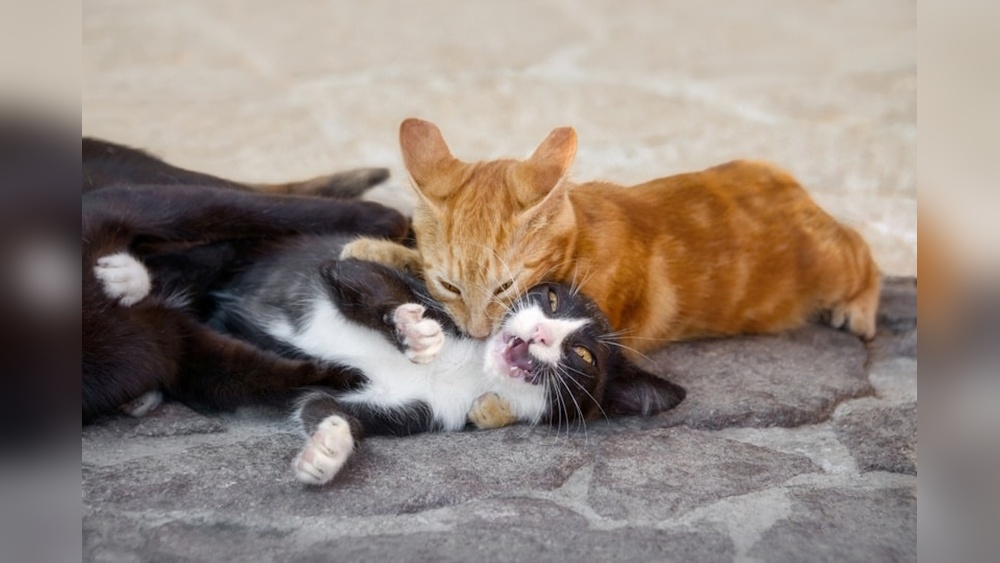
Have you ever noticed your cat gently holding your throat or giving a little bite while grooming you? It might seem strange or even a bit unsettling at first.
But there’s a reason behind this curious behavior, and understanding it can bring you closer to your furry friend. You’ll discover why cats do this and what it means for your bond. Keep reading—you’ll be surprised at how much your cat’s grooming habits reveal about their feelings and instincts.
Credit: www.catster.com
Cat Grooming Behavior
Cats spend a lot of time grooming themselves and others. Grooming helps them stay clean and healthy. It also builds trust and shows affection. Sometimes, cats hold throats or bite gently during grooming. This behavior might seem odd but has important meanings.
Understanding cat grooming behavior helps owners know what is normal. It also helps recognize when grooming is too rough or stressful for the cat. Let’s explore the usual grooming actions and when grooming becomes rough.
Normal Grooming Actions
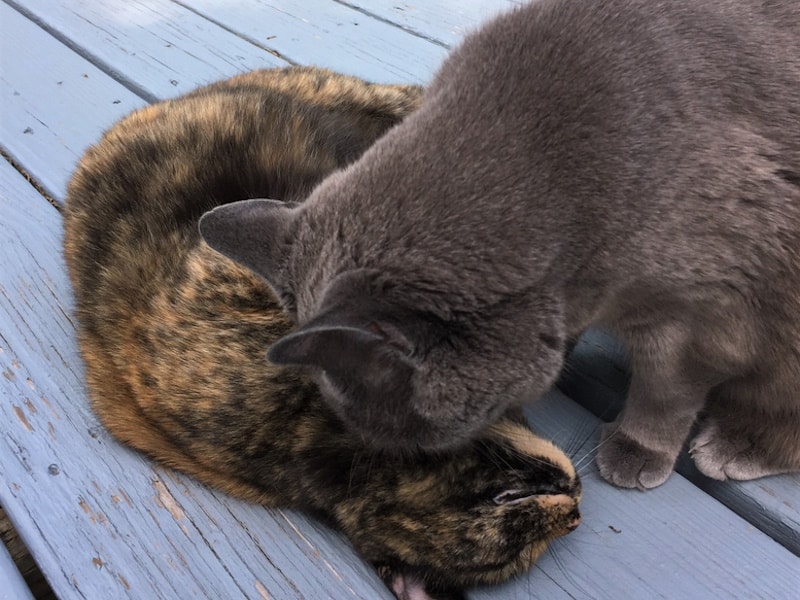
Cats lick their fur to clean dirt and loose hair. Their tongues have tiny hooks to remove dead skin. Grooming also helps cats cool down and relax. When cats groom each other, it is called allogrooming. It strengthens bonds between cats and reduces tension.
Sometimes, cats gently hold or bite the neck during grooming. This is a soft behavior to keep the other cat still. It is a sign of trust and care. The bite is usually very gentle and does not hurt.
When Grooming Gets Rough
Occasionally, grooming can turn rough or aggressive. A cat may bite too hard or hold the throat tightly. This can be a sign of stress or overstimulation. It might also happen if a cat feels threatened or annoyed.
Watch for signs like growling, hissing, or struggling. These indicate discomfort or fear. It is best to separate cats if grooming becomes too rough. Giving them space helps avoid fights and injuries.
Reasons Behind Throat Holding
Cats have unique ways of showing their feelings during grooming. One common behavior is holding or gently biting the throat. This action may seem strange but has clear reasons behind it. Understanding these reasons helps pet owners connect better with their cats.
Expressing Dominance
Throat holding can show a cat’s dominance over another. In the wild, cats use this move to assert control. It is a sign of power and respect within their group. This behavior helps keep peace and order among cats.
Playful Interaction
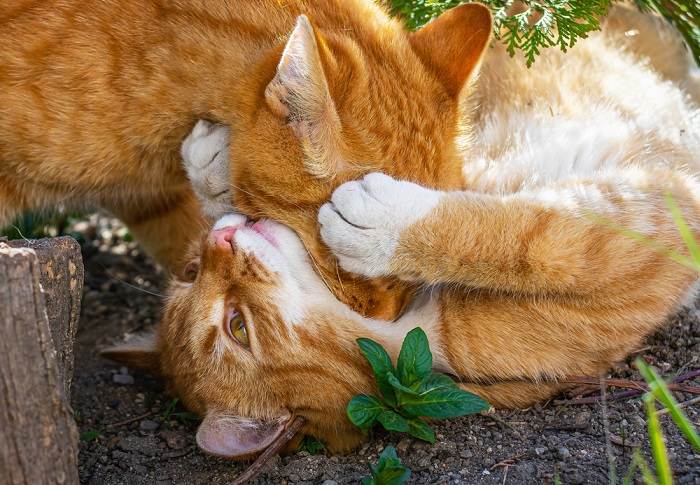
Cats often play by biting softly and holding the throat. This is part of their natural hunting practice. Playful biting helps them learn skills and build bonds. It is not meant to hurt but to engage and have fun.
Affectionate Bonding
Sometimes, throat holding shows love and trust. Cats groom each other to strengthen their bond. Holding the throat gently is a way to feel close and safe. It signals a deep connection between cats or with their owner.
Why Cats Bite During Grooming
Cats biting during grooming can seem strange or even painful. This behavior often surprises cat owners. Understanding why cats bite helps build a better bond. Cats use biting as part of their communication and grooming rituals. It is not always about aggression or anger. Sometimes, the bite is a signal or reaction to certain feelings or situations. Let’s explore the main reasons cats bite during grooming.
Overstimulation Sensitivity
Some cats have sensitive skin or nerves. Grooming may feel too intense after a while. Biting helps them tell you to stop. It is their way of saying, “Enough for now.” This is common with long petting sessions. Cats may tolerate petting for a short time. Then, they suddenly bite to end the touch. Watching your cat’s body language helps avoid bites. Signs like tail flicks or ear twitches warn of overstimulation.
Redirected Aggression
Cats sometimes bite during grooming due to redirected aggression. This happens when a cat feels stressed or threatened elsewhere. The cat cannot attack the source of stress. Instead, it bites the closest target, often the person grooming them. Loud noises or other animals nearby can cause this. Understanding this can reduce sudden bites. Keep the grooming area calm and quiet.
Communication Signals
Biting is a form of communication for cats. It can mean different things depending on the situation. A gentle bite might be a sign of affection or play. A harder bite often means the cat wants space. Cats also use bites to teach boundaries. Mother cats bite their kittens during grooming to guide them. Learning these signals helps owners respond correctly. Respecting these messages creates trust between you and your cat.
Body Language To Watch
Cats use body language to tell us how they feel during grooming. Watching their signs helps us understand if they enjoy it or want to stop. Paying attention to their movements and expressions shows their true mood.
Observing your cat closely can prevent bites or scratches. It also builds trust between you and your pet. Let’s explore key body language signals to watch during grooming sessions.
Signs Of Discomfort
Look for stiff body or tense muscles. Tail flicking back and forth means irritation. Ears pinned flat against the head show stress. If your cat suddenly freezes, it feels uneasy. Watch for sudden growls or low hisses too. These are clear signs your cat wants to stop.
Relaxed Grooming Posture
A calm cat will have loose, soft muscles. Eyes may be half-closed or blinking slowly. The tail lies still or moves gently. Cats may purr or knead with their paws. Their ears point forward or slightly sideways. This posture means they enjoy grooming.
Warning Signals
Before biting or holding your throat, cats show warnings. They may open their mouth slightly and hiss softly. Lips might twitch or the cat may lick its lips nervously. Sudden shifts in position or restless movements warn of rising stress. These signals mean the cat might bite soon.
How To Respond To Grooming Bites
Grooming bites can surprise many cat owners. Cats sometimes bite during grooming to express their feelings. Knowing how to respond helps keep grooming safe and calm. This section shows ways to handle grooming bites kindly and effectively.
Setting Boundaries
Notice when your cat bites during grooming. Stop grooming immediately to show that biting is not okay. Use a firm but gentle voice to say “no.” Give your cat space to calm down. This teaches your cat limits without fear.
Positive Reinforcement
Reward calm behavior with treats or gentle petting. Praise your cat when it stays relaxed during grooming. Use soft words and slow movements to build trust. Positive rewards help your cat enjoy grooming more. Over time, biting should decrease as your cat feels safe.
When To Seek Help
Persistent biting may mean your cat is stressed or in pain. Consult a vet to rule out health problems. A cat behaviorist can help if biting is a habit. Professionals offer advice tailored to your cat’s needs. Early help prevents bigger problems later.
Credit: cats.com

Credit: www.reddit.com
Frequently Asked Questions
Why Do Cats Bite During Grooming?
Cats bite during grooming to show affection or establish dominance. It is a natural behavior that helps strengthen their social bonds.
Is Throat Biting Normal Cat Grooming Behavior?
Yes, throat biting is normal. Cats use gentle bites on the throat to mimic motherly grooming and communicate trust.
How Can I Stop My Cat From Biting While Grooming?
Distract your cat with toys or treats during grooming. Use slow, gentle strokes to reduce overstimulation and biting.
Does Throat Biting Mean Aggression In Cats?
No, throat biting usually signals affection or playfulness, not aggression. Watch body language to distinguish between play and hostility.
Conclusion
Cats hold throats or bite during grooming to show trust and care. This behavior helps them bond with each other and with you. It is normal and means your cat feels safe. Sometimes, it also helps clean hard-to-reach places. Watching your cat’s grooming habits can reveal their mood and health.
Understanding these actions makes your relationship stronger. Keep observing gently and enjoy these special moments together.