
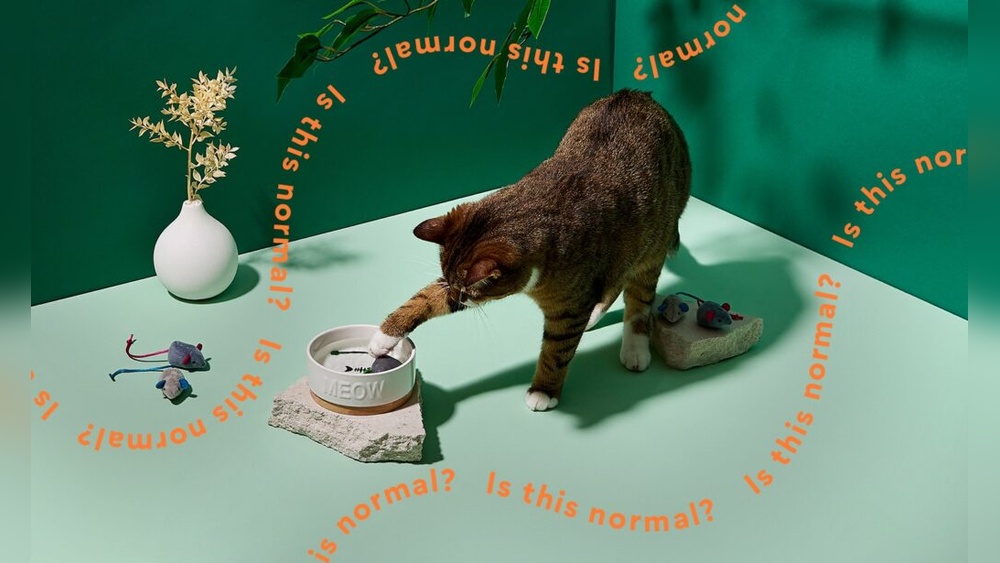
Have you ever found your cat dropping a toy mouse into their water bowl and wondered why? It might seem strange or even a little messy, but there’s more to this behavior than meets the eye.
Understanding why your cat does this can give you surprising insights into their natural instincts and personality. If you’ve been curious or puzzled by this odd habit, keep reading—because the answer might change the way you see your furry friend forever.
Credit: acangasolucoes.com.br
Cats And Their Toy Mice
Cats often have a special bond with their toy mice. These small toys mimic real prey and spark their natural hunting skills. Cats carry, bite, and sometimes even hide these toys. This behavior shows their playful and curious nature.
Understanding why cats put toy mice in water bowls helps us learn more about their habits. It also reveals how they mix play with their environment. These actions are part of their instinct and personality.
Play Behavior In Cats
Cats use toy mice to practice hunting moves. They stalk, pounce, and bat at the toys. This play keeps them active and sharp. It also helps them release energy and reduce stress. Play is a key part of a cat’s daily life.
Carrying toys to different places, like water bowls, is common. Cats like to explore and change their play spots. Sometimes, they treat toys as real prey and bring them to “safe” locations.
Significance Of Toy Mice
Toy mice are more than just fun objects. They satisfy a cat’s need to hunt and chase. These toys help cats stay mentally and physically fit. They also provide comfort and entertainment.
Putting a toy mouse in water may mimic a cat’s natural behavior. Cats might think their prey needs to be “caught” or “cleaned.” This action shows how deeply their instincts influence play.
Why Water Bowls Attract Toy Mice
Cats often place their toy mice in water bowls. This behavior puzzles many cat owners. Understanding why water bowls attract toy mice reveals interesting cat habits. Cats see water bowls as more than just a place to drink. These spots become play zones for their toys. The water and bowl together create a unique setting. This setting draws cats to drop their toy mice there. Exploring the reasons helps explain this curious behavior.
Water As A Play Element
Cats enjoy playing with water. The water’s surface moves with small splashes. This movement excites cats and their toys. Toy mice in water create ripples and sounds. Cats watch these effects closely. The water adds a new dimension to play. It makes simple toys more interesting. Cats like the challenge of retrieving wet toys. The cool, wet feeling on the paws also appeals to them.
Scent And Texture Factors
Water changes the smell of the toy mouse. Wet toys carry stronger scents. Cats rely on scent to explore objects. The wet texture feels different in their mouth. This difference keeps their interest longer. The water bowl may have other smells too. These combined scents attract the cat’s curiosity. Texture and scent together make water bowls special spots. Cats use their senses to enjoy play more deeply.
Hunting Instincts And Toy Placement
Cats have strong hunting instincts that guide their actions. These instincts often show in how they play with toys. Placing a toy mouse in water is linked to their natural behaviors. Understanding this helps us see why cats do such curious things. It shows how they mimic real hunting and protect their catch.
Simulating Prey Behavior
Cats treat toy mice like real prey. Moving the toy in water mimics how live prey behaves. Water adds movement and sound that feels natural to cats. They enjoy chasing toys that seem alive. This play sharpens their hunting skills. It also satisfies their need to catch and control prey.
Storing And Protecting ‘catch’
Cats sometimes place toys in water bowls to store them. Water acts as a safe spot to keep their catch fresh. In the wild, cats hide food to protect it from others. This behavior carries over to their play. Placing toys in water shows their instinct to guard and save their prize.
Credit: www.reddit.com
Communication Through Toy Placement
Cats use toys to send messages. Placing a toy mouse in their water bowl is one way they communicate. This strange behavior can mean different things. Understanding it helps you know your cat better.
Marking Territory
Cats mark places they own. They leave toys in spots to show this. The water bowl is special. It is where they drink and feel safe. Putting a toy there says, “This is mine.”
Seeking Attention
Cats want you to notice them. They know you see their water bowl often. Leaving a toy there is a way to get your eye. It is their way to say, “Look at me.”
Behavioral Variations Among Cats
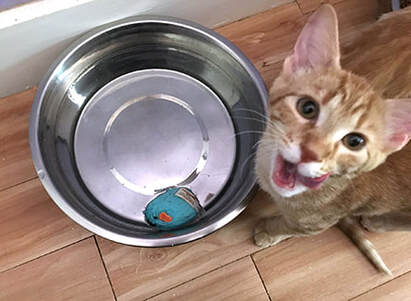
Cats show many behaviors, and each cat is different. Some cats put their toy mouse in the water bowl. This behavior can vary widely among cats. Understanding these differences helps us learn more about our pets. Cats have unique ways of playing and expressing themselves. Their actions often reflect their mood, age, and personality.
Age And Playfulness
Young cats are usually more playful and curious. They enjoy exploring new objects and spaces. Putting a toy mouse in water might be part of their play. It can be a way to make the toy more interesting. Older cats may do this less often. They tend to play less and rest more. Age affects how active and curious a cat is.
Individual Personality Differences
Each cat has its own personality. Some cats like to carry and hide toys. Others prefer to leave toys out in the open. A cat’s choice to put a toy mouse in water can show its unique traits. Some cats may do this to mark their territory. Others might just enjoy the texture or sound. Personality shapes how cats interact with their toys.
Credit: www.thecatsmeowrescue.org
How To Respond To This Behavior
Understanding how to respond when cats put toy mice in water bowls helps keep pets happy. This behavior shows their natural hunting instincts and curiosity. Reacting well can encourage healthy habits and protect your home. Below are simple ways to handle this behavior.
Encouraging Healthy Play
Offer your cat many toys to keep them busy. Rotate toys often to keep interest high. Play with your cat daily to use their energy. Use interactive toys that mimic prey movements. Praise your cat when they play nicely. This helps reduce the need to use water bowls as play areas.
Managing Water Bowl Cleanliness
Check your cat’s water bowl regularly for toys or debris. Clean the bowl daily to keep water fresh. Use a heavy or wide bowl to prevent tipping. Place the water bowl away from the food or play areas. This stops toys from ending up in water. Clean water helps keep your cat healthy and happy.
Frequently Asked Questions
Why Do Cats Put Toy Mice In Water Bowls?
Cats often place toy mice in water bowls due to instinctual behavior. It mimics their natural hunting and food-storing habits. They may also be seeking to “wash” their prey or simply enjoy the texture of water with their toys.
Is Putting Toys In Water A Common Cat Behavior?
Yes, many cats exhibit this behavior. It reflects their natural instincts to catch and clean prey. It also shows curiosity and playfulness, which are essential for their mental stimulation and enrichment.
Does Placing Toys In Water Mean My Cat Is Stressed?
Not necessarily. This behavior is usually normal and playful. However, if combined with other signs of distress, it could indicate stress or anxiety. Monitor your cat’s overall behavior to ensure well-being.
Can This Behavior Harm My Cat Or Toys?
Generally, no. Water does not harm most cat toys, but wet toys can become dirty or moldy. Ensure toys are cleaned and dried regularly to keep your cat safe and healthy.
Conclusion
Cats put toy mice in water bowls for many reasons. It can be a way to clean their toys or keep them safe. Sometimes, cats act this way because they enjoy playing near water. This behavior also shows their natural hunting instincts.
Watching cats do this helps us understand them better. It reminds us how curious and playful cats truly are. Paying attention to these small actions can deepen our bond with pets. Every cat is unique, and their habits tell a story.