

Have you ever wondered why your cat seems to treat its toys like precious treasures? You might have seen your furry friend carrying, grooming, or even hiding their favorite playthings.
It’s more than just play—there’s a special reason behind this behavior that reveals a lot about your cat’s instincts and feelings. Understanding why cats take care of their toys can help you connect with your pet on a deeper level and make playtime even more enjoyable for both of you.
Keep reading, and you’ll discover the surprising reasons behind this charming habit.

Credit: www.amazon.com
Cat Toy Attachment
Cats often develop strong connections with their toys. This attachment goes beyond simple play. It reflects deeper feelings and instincts. Understanding why cats care for their toys helps us learn more about their behavior.
These toys can become important to cats. They treat them like special objects. This bond affects how cats interact with their environment and feel safe.
Emotional Bond With Objects
Cats form emotional bonds with toys like humans do with keepsakes. Toys remind cats of fun and comfort. They often carry toys around or sleep with them. This shows how much they value these objects. The bond helps cats feel happy and less lonely.
Comfort And Security
Toys give cats a sense of comfort and safety. They act like a security blanket for many cats. When cats feel stressed, toys calm them down. This comfort helps cats relax in new or scary places. Toys become a reliable source of peace.
Mimicking Maternal Instincts
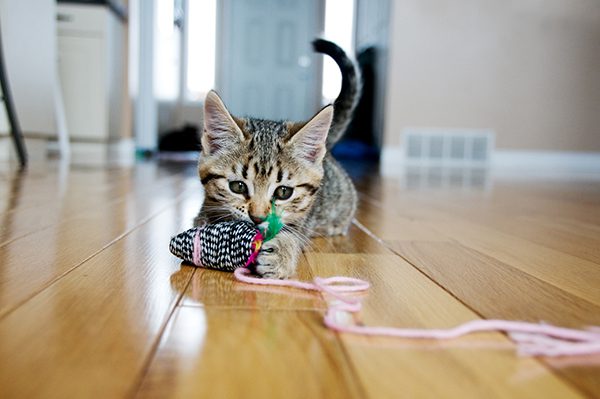
Cats care for toys by licking or carrying them gently. This behavior mimics how mother cats care for their kittens. It shows strong nurturing instincts in cats. Taking care of toys satisfies their natural desire to protect and nurture. It also keeps their instincts sharp and active.

Credit: www.kinship.com
Hunting Instincts And Play
Cats have strong hunting instincts. Play helps them use these natural skills. Their toys act like real prey. This makes playtime a serious activity. Cats practice hunting through play. They learn and sharpen their skills daily.
Simulated Prey Behavior
Toys mimic small animals. They move and bounce like prey. Cats react quickly to these movements. Their eyes follow every twitch and jump. This simulates catching real prey. It keeps their senses sharp and alert.
Stalking And Capturing Rituals
Cats use slow, careful movements. They creep closer to their toys. Then, they pounce with precision. This ritual is part of their hunting skill. Playing lets cats practice this step-by-step. It builds patience and timing.
Practice For Real Hunting
Even indoor cats need hunting practice. Toys give them a safe way to hunt. They learn how to catch and hold prey. This practice keeps their instincts strong. It also helps reduce stress and boredom.
Marking Territory With Toys
Cats often treat their toys like precious treasures. They carry, bite, and even sleep with them. This behavior shows their natural instinct to mark territory. Toys become more than playthings; they turn into personal belongings.
Marking territory with toys helps cats feel safe and secure. It shows other animals that this space and these items belong to them. Their toys act like small flags, signaling ownership in their environment.
Scent Glands And Toy Ownership
Cats have special scent glands on their cheeks, paws, and chin. They rub these glands on toys to leave their unique smell. This scent tells other cats that the toy is theirs.
Rubbing toys also helps cats bond with their items. The scent makes the toy familiar and comforting. It is a way of saying, “This is mine.”
Territorial Behavior At Home
At home, cats show strong territorial instincts. Toys become part of their territory to protect. By marking toys, cats create a safe, personal space.
This behavior can reduce stress and anxiety. It helps cats feel control over their environment. Toys marked with scent become a key part of this comfort.
Stress Relief And Mental Health
Cats use their toys for more than just fun. Toys help cats feel calm and safe. Playing with toys can lower stress and improve their mood. This helps cats stay happy and healthy.
Comfort Through Play
Toys give cats a sense of comfort. Soft toys or ones they can carry feel like a friend. Cats often cuddle or groom their toys. This action soothes them and brings peace.
Playtime with toys creates a safe space. Cats can relax and forget worries. This comfort helps reduce feelings of stress.
Reducing Anxiety With Toys
Toys keep cats busy and distracted from stress. Chasing or batting toys helps release nervous energy. This activity lowers anxiety and calms the mind.
Using toys mimics natural hunting behavior. It satisfies instincts that might cause restlessness. A calm cat is a healthier cat.
Factors Influencing Toy Care
Cats care for their toys for different reasons. Several factors affect how cats treat their playthings. These factors help explain why some cats are gentle with toys, while others are rough or indifferent. Understanding these elements helps pet owners choose the right toys and encourage good play habits.
Cat’s Age And Personality
Young cats often play more actively and may tear toys apart. Older cats prefer softer, gentler play and may keep toys safe. A cat’s personality also matters. Some cats are calm and treat toys like treasures. Others are energetic and use toys for hunting practice.
Type Of Toy Preference
Cats like different types of toys. Soft toys invite cuddling and gentle care. Hard or noisy toys encourage chasing and pouncing. Toys that mimic prey, like mice or feathers, trigger hunting instincts. These instincts influence how carefully cats handle their toys.
Environment And Social Interaction
Cats living alone may treat toys as companions and protect them. Those in multi-cat homes might share or compete over toys. The environment affects toy care too. Safe, quiet spaces encourage calm play. Busy or noisy areas may cause rougher toy use.
Tips To Encourage Toy Care
Encouraging cats to take care of their toys helps keep them safe and fun. It also saves money and reduces waste. Small changes in how you choose and use toys can make a big difference. Understanding your cat’s needs helps them value their playthings more.
Choosing The Right Toys
Select toys that fit your cat’s size and play style. Soft toys work well for gentle chewers. Durable toys suit active cats who bite or scratch hard. Avoid small parts that can break off and cause harm. Pick toys with textures your cat enjoys. A variety keeps your cat interested and engaged.
Interactive Playtime Strategies
Join your cat during play to build a bond. Use wand toys or laser pointers to guide movement. Praise your cat when they handle toys gently. Rotate toys often to keep playtime fresh. Short, frequent sessions work better than long ones. Interaction makes toys more special and valued.
Creating Safe Play Spaces
Set up a quiet area free from hazards. Soft mats or carpet help protect toys and paws. Keep toys in a dedicated box or basket. This teaches your cat to return toys after play. Avoid crowded or noisy spots that stress your cat. A calm space encourages careful play and toy care.
Credit: lacvets.com
Frequently Asked Questions
Why Do Cats Carry Toys In Their Mouths?
Cats carry toys to mimic hunting and show possession. It’s a natural instinct reflecting their predatory behavior. Carrying toys also indicates comfort and pride in their “prey. ”
How Do Cats Show Care For Their Toys?
Cats groom and gently bite their toys. This behavior mimics how they treat real prey or kittens. It shows attachment and enjoyment, making toys feel more real and valuable.
Do Cats Treat Toys Like Real Prey?
Yes, cats often treat toys like real prey. They stalk, pounce, and “kill” toys to satisfy hunting instincts. This enriches their environment and reduces stress.
Can Toy Care Indicate A Cat’s Mood?
Yes, caring for toys can reflect a cat’s mood. A content cat may gently carry or groom a toy. Aggressive chewing can signal stress or boredom.
Conclusion
Cats care for their toys because these objects feel special to them. Toys can remind cats of hunting and play. They often treat toys like they would real prey. This behavior shows their natural instincts and feelings. Watching cats with their toys helps us understand them better.
It also strengthens the bond between pets and owners. Giving cats toys is important for their happiness. It keeps them active and mentally sharp. So, toys are more than just fun—they are part of a cat’s world.