
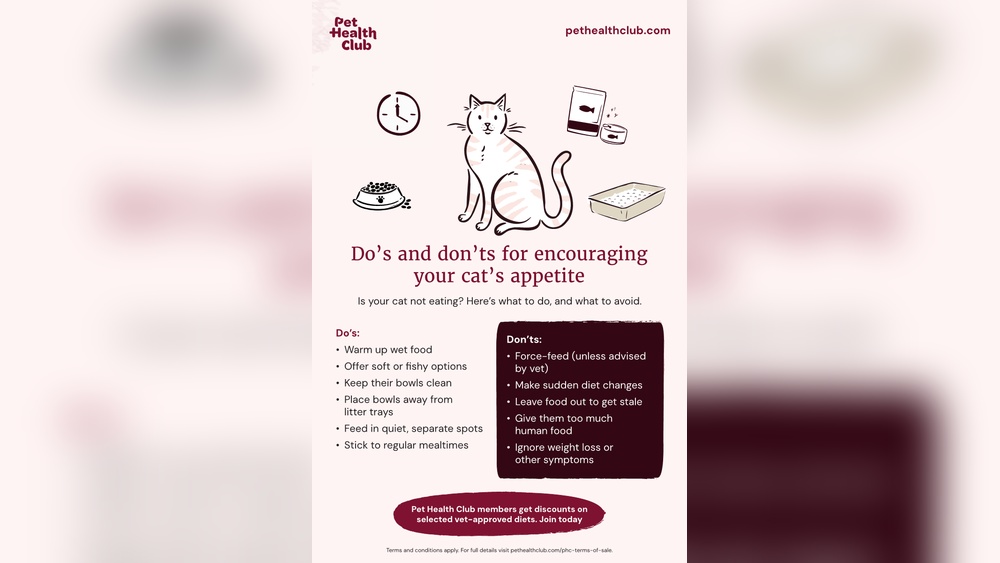
Have you noticed your cat suddenly eating less or more than usual? Or maybe they’ve become picky about their favorite food?
Changes in your cat’s eating behavior can be confusing and even worrying. But understanding why this happens can help you keep your furry friend happy and healthy. You’ll discover the common reasons behind these changes and what you can do to support your cat’s well-being.
Keep reading to learn how to spot the signs and take action before small issues become big problems.
Common Changes In Cat Eating Habits
Cats can change how they eat for many reasons. These changes can tell you a lot about their health and mood. Watching for these signs helps you understand your cat better. Here are some common changes in cat eating habits to watch for.
Loss Of Appetite
A cat may eat less or stop eating for several days. This could mean sickness, pain, or stress. Loss of appetite is a common sign that something is wrong. It needs attention quickly to avoid health problems.
Increased Hunger
Sometimes, cats want to eat more than usual. This can happen if they are growing, pregnant, or have health issues like diabetes. Increased hunger might also mean your cat is not getting enough nutrients. Keep an eye on this change to protect your cat’s health.
Selective Eating
Cats may start choosing only certain foods. They might avoid wet food or dry food suddenly. This behavior can come from taste changes, dental pain, or boredom. Offering different foods can help find what your cat prefers.
Sudden Food Refusal
One day your cat eats well, the next day it refuses food. This sudden refusal can be a warning sign. It might mean your cat feels unwell or the food is spoiled. Always check the food and your cat’s health if this happens.

Credit: www.reddit.com
Health Issues Affecting Appetite
Cats may change their eating habits due to health problems. Illness can reduce their appetite or cause discomfort during meals. Understanding these health issues helps you care better for your pet. Below are common health problems that affect a cat’s eating behavior.
Dental Problems
Dental pain makes eating hard for cats. Gum disease, broken teeth, or infections cause discomfort. Cats may avoid dry or hard food. Soft or wet food might be easier for them to eat. Regular dental check-ups help spot problems early.
Digestive Disorders
Digestive troubles upset a cat’s stomach and appetite. Conditions like constipation, diarrhea, or inflammation reduce hunger. Cats may vomit or show signs of pain after eating. A vet can diagnose and treat these issues quickly.
Kidney And Liver Diseases
Kidney and liver problems affect metabolism and appetite. Cats with these diseases often eat less or refuse food. Toxins build up in the body, causing nausea and weakness. Early detection improves treatment success and comfort.
Infections And Illnesses
Infections from viruses, bacteria, or parasites cause loss of appetite. Cats feel weak and may hide. Common illnesses include feline flu or urinary infections. Treatment depends on the cause and helps restore normal eating habits.
Emotional And Environmental Factors
Changes in a cat’s eating habits often link to feelings and surroundings. Cats are sensitive to their environment and may react by eating more or less. Emotional and environmental factors play a big role in their daily routine and health. Understanding these reasons helps pet owners care better for their cats.
Stress And Anxiety
Stress can make a cat lose interest in food. Loud noises, visitors, or changes in routine may cause anxiety. Some cats eat less when stressed. Others might eat more for comfort. Watching your cat’s behavior helps spot stress early.
Changes In Household
New furniture or rearranged rooms can unsettle a cat. Cats like stable surroundings. Sudden changes may affect their appetite. They might hide or avoid their food bowl. Patience is key during household changes.
New Pets Or Family Members
Introducing a new pet or baby can confuse a cat. They may feel threatened or jealous. This feeling can change how much they eat. Some cats withdraw while others become clingy. Giving each pet attention helps reduce stress.
Relocation Or Travel
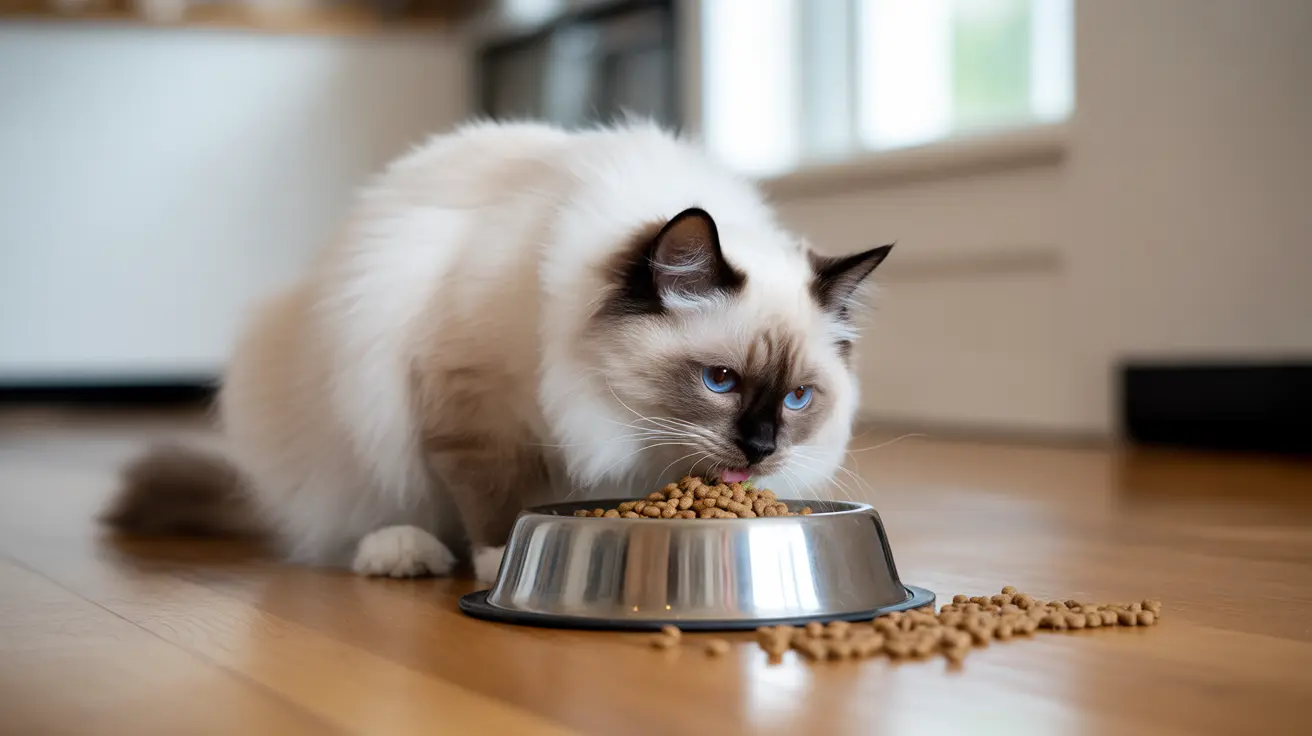
Moving to a new home or traveling can upset a cat’s routine. New smells and sights may cause discomfort. Cats might refuse food during trips. They need time to adjust to new places. Keep their feeding routine as normal as possible.
Credit: www.petscare.com
Age-related Eating Behavior Shifts
Cats change their eating habits as they age. These changes happen naturally and are tied to their body needs. Understanding these shifts helps you feed your cat better. Each life stage demands different foods and amounts. Recognizing these needs supports your cat’s health and happiness.
Age affects appetite, digestion, and energy use. These factors shape what and how much your cat wants to eat. Paying attention to these changes can prevent health problems. Adjusting their diet keeps them strong and active through life.
Kitten Growth Needs
Kittens need more calories than adult cats. Their bodies grow fast and need extra energy. Protein is crucial for muscle and organ development. Frequent, small meals help maintain energy levels. Kitten food is rich in nutrients and easy to digest. Feeding them often supports their rapid growth and brain development.
Adult Cat Preferences
Adult cats require a balanced diet to maintain weight. Their energy needs stabilize, so overeating can cause weight gain. Taste and texture become important for food enjoyment. Many prefer wet or dry food with strong smells. Portion control helps avoid obesity and health issues. A consistent feeding schedule supports their natural rhythm.
Senior Cat Dietary Changes
Senior cats often eat less due to lower activity. Their metabolism slows, needing fewer calories. Digestive issues may arise, affecting food absorption. Soft, easy-to-chew food suits aging teeth. Foods high in fiber support digestion and prevent constipation. Special diets can help manage kidney or joint problems. Watching their eating habits helps catch health issues early.
Impact Of Food Quality And Variety
The quality and variety of food play a big role in a cat’s eating habits. Cats may change how they eat if they do not like the taste or texture of their food. Sometimes, their body reacts to certain ingredients, causing discomfort. The timing and routine of feeding can also affect how much and when cats eat. Understanding these factors helps explain why a cat’s eating behavior might shift.
Taste And Texture Preferences
Cats have strong likes and dislikes about food taste. They may prefer some flavors over others. Texture matters too. Some cats like crunchy kibble. Others want soft, wet food. Changes in food texture or flavor can make cats stop eating or eat less.
Food Allergies And Sensitivities
Cats can develop allergies or sensitivities to certain foods. These can cause itching, vomiting, or diarrhea. Such reactions make cats avoid eating that food. Owners should watch for signs and try different diets to find what suits their cat best.
Effect Of Feeding Schedule
Feeding times affect how cats eat. Cats like routine and predictability. Skipping meals or changing feeding times can confuse them. This may lead to irregular eating or refusal to eat. Keeping a steady feeding schedule helps maintain good eating habits.
Behavioral And Psychological Causes
Cats can change their eating habits for many behavioral and psychological reasons. These changes often reflect how they feel or what they experience daily. Understanding these reasons can help you care for your cat better.
Behavior and mind play a big role in how cats eat. Sometimes, it is not about the food itself but how the cat thinks or feels about it. These causes affect their appetite and eating patterns.
Boredom With Food
Cats can get tired of eating the same food every day. They want variety and new tastes. Boredom can make them eat less or avoid food.
Changing the type or flavor of food can help. It keeps mealtime interesting and fun for your cat.
Learned Feeding Patterns
Cats learn how and when they get food. If they get treats for begging, they may stop eating regular meals. This changes their normal feeding habits.
Training cats to eat at set times helps. It keeps their eating routine healthy and balanced.
Attention-seeking Behavior
Sometimes cats change eating habits to get your attention. They may eat less or more to make you notice them. This is common in cats that want more play or care.
Spending time with your cat can reduce this behavior. Show love and attention outside of mealtime.
When To Consult A Veterinarian
Changes in a cat’s eating behavior can signal health problems. Knowing when to consult a veterinarian helps protect your cat’s well-being. Early action can prevent serious illness and ease your cat’s discomfort.
Warning Signs To Watch For
Look for sudden loss of appetite or refusal to eat. Notice if your cat vomits often or has diarrhea. Watch for weight loss or unusual thirst. If your cat seems weak or less active, these are red flags. Changes in eating habits lasting more than two days need attention.
Diagnostic Tests
The vet may perform blood tests to check for infections or organ issues. Urine tests help find kidney or bladder problems. X-rays or ultrasounds reveal internal abnormalities. Sometimes, stool samples show parasites or digestive troubles. These tests guide the vet in finding the cause.
Treatment Options
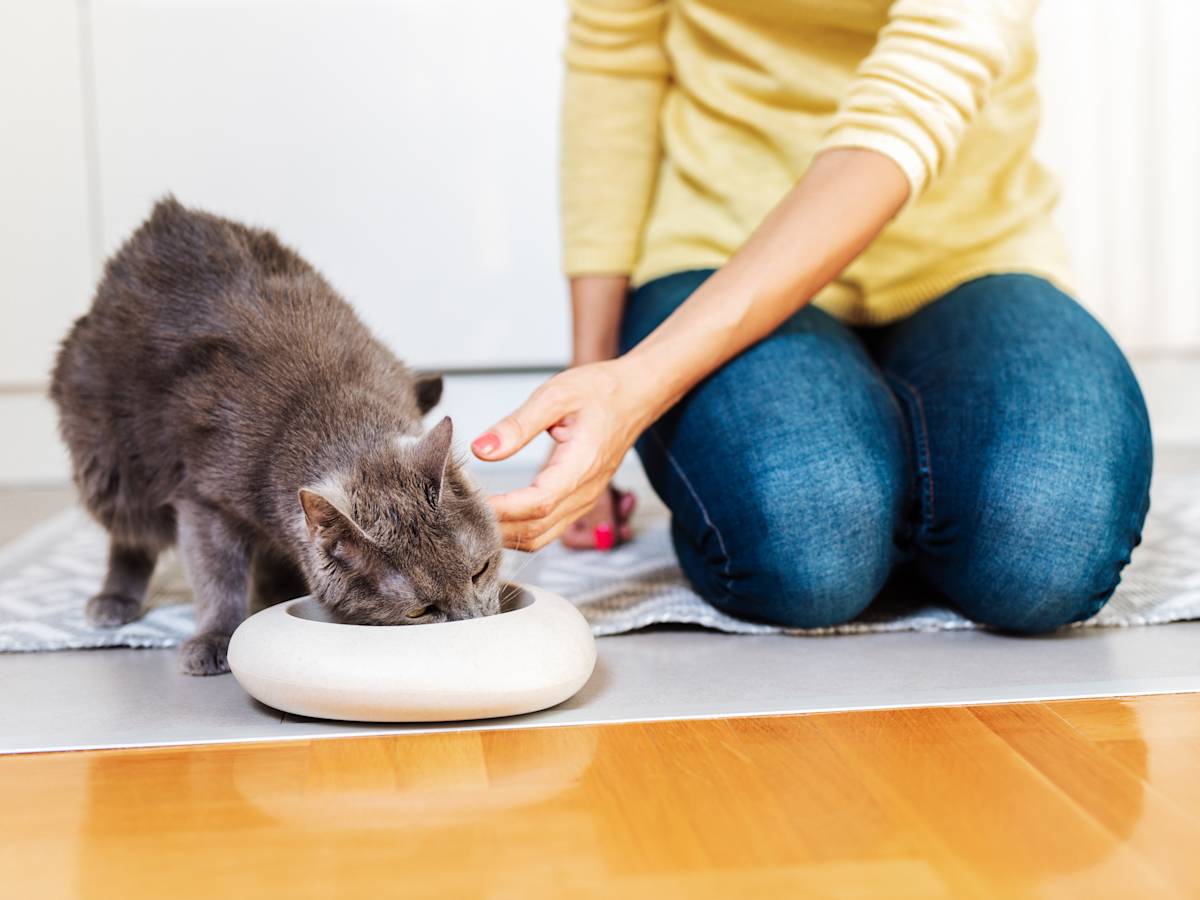
Treatment depends on the diagnosis. Your vet might suggest special diets to improve eating. Medications can help with infections or pain. Fluid therapy may be needed if your cat is dehydrated. Surgery is rare but sometimes necessary for serious problems. Follow the vet’s advice closely for best results.
Credit: www.kinship.com
Frequently Asked Questions
Why Does My Cat Suddenly Eat Less Food?
Cats may eat less due to stress, illness, or changes in their environment. Dental problems or aging can also affect appetite. Always monitor behavior and consult a vet if eating changes persist.
Can A Cat’s Eating Habits Indicate Health Issues?
Yes, changes in eating can signal infections, dental disease, or digestive problems. Early detection helps in effective treatment. Regular vet checkups are essential for maintaining your cat’s health.
How Do Stress And Environment Affect Cat Eating Behavior?
Stress from new pets, moving, or loud noises can reduce a cat’s appetite. Cats may also eat more if bored or anxious. Providing a calm, safe space encourages normal eating habits.
Do Cats Change Eating Habits With Age?
Older cats often eat less due to slower metabolism or dental issues. They may prefer softer, easier-to-chew food. Adjusting diet and routine supports their changing nutritional needs.
Conclusion
Cats can change eating habits for many reasons. Health, stress, or age might affect their appetite. Watch for signs like eating less or more. A vet check helps find any problems early. Offer fresh food and a calm place to eat.
Understanding your cat’s needs keeps them happy and healthy. Small changes matter a lot. Stay patient and observe your pet closely. This care helps your cat enjoy mealtime again.