
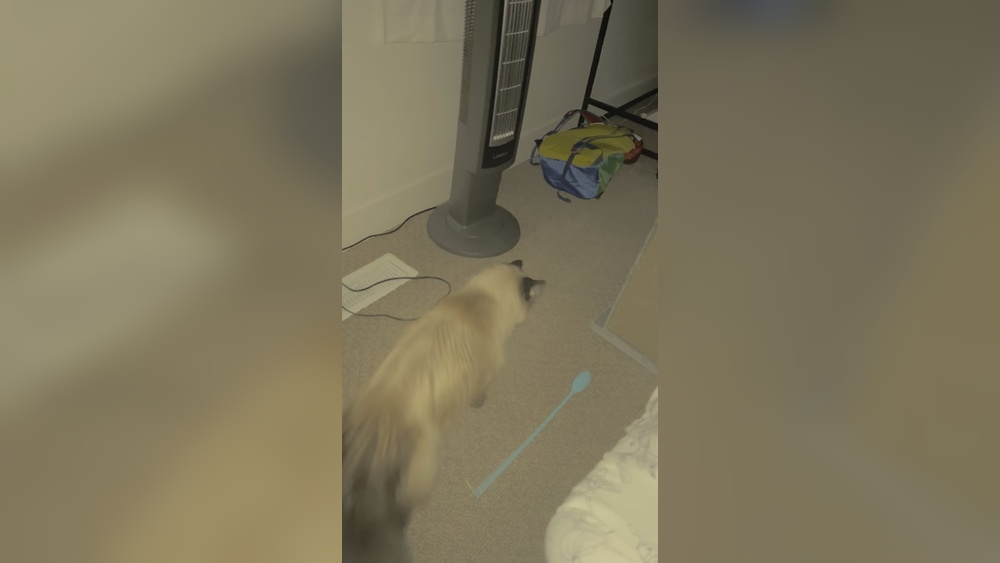
Have you ever noticed your cat crying over a toy and wondered why? It can be confusing and even a little sad to see your furry friend making those sounds over something that seems so simple.
But your cat’s tears or cries are more than just noise—they’re a way your pet is trying to tell you something important. Understanding this behavior can help you connect better with your cat and ensure they feel happy and safe.
Keep reading, and you’ll discover the surprising reasons behind your cat’s emotional moments with their toys.
Cat Emotions And Vocalization
Cats use sounds to show how they feel. Their cries tell stories. These sounds help cats share emotions with people and other animals. Understanding these cries helps us connect better with our pets. Cats have many ways to express joy, fear, or need. Their voices change depending on their feelings.
How Cats Express Feelings
Cats use meows, purrs, and cries to communicate. A soft purr often means comfort and happiness. Loud meows can show excitement or demand attention. Sometimes cats cry out when they feel scared or lonely. They also use body language like tail flicks and ear positions. Together, sounds and movements give clues about their mood.
Different Types Of Cat Cries
Cats produce different cries for different reasons. A short, soft cry might mean curiosity or playfulness. A loud, long cry could signal distress or pain. Some cries are specific to seeking food or help. When cats cry over toys, it might show excitement or frustration. Listening carefully helps understand what your cat needs.
Credit: www.walmart.com
Attachment To Toys
Cats can form strong attachments to their toys. These toys are more than just objects for play. They provide comfort and security. A cat crying over a toy often shows a deep emotional connection. This attachment helps cats feel safe and calm in their environment.
Toys As Comfort Objects
Many cats treat toys like comfort objects. Toys give them a sense of familiarity. This feeling reduces stress and anxiety. Cats often carry or cuddle toys when they feel uneasy. Crying can occur if the toy is lost or taken away. The toy becomes a source of emotional support.
Emotional Bonds With Favorite Toys
Cats develop emotional bonds with specific toys. These toys might remind them of fun times or comfort during loneliness. Crying can signal a cat’s desire to have the toy back. The bond is similar to how children feel about a favorite blanket. Cats show affection and attachment through vocal sounds.
Seeking Attention
Cats often cry over toys to seek attention from their owners. This behavior shows their desire to interact and connect. Crying acts as a call for engagement and playtime. Understanding this helps owners respond better to their pets’ needs.
Crying To Engage Owners
When cats cry near toys, they want you to notice them. The sounds catch your attention and invite you to join the fun. Cats use crying as a clear sign to get your focus. This behavior helps them feel closer and less lonely.
Toys As Attention Triggers
Toys are more than playthings for cats. They act as triggers that make cats want your attention. By crying near a toy, cats try to start a game with you. This shows their need for companionship and mental stimulation.

Credit: www.amazon.com
Frustration And Play Behavior
Cats cry over toys due to frustration during play. Play is very important for cats. It helps them use their hunting skills and stay active. Sometimes, cats get upset if they cannot play properly. This frustration can cause them to cry or meow loudly.
Understanding this behavior helps you support your cat better. It also makes playtime more enjoyable for both of you. Let’s explore some reasons behind this frustration.
Interrupted Play Sessions
Cats need uninterrupted time to focus on their toys. Sudden stops or distractions can upset them. They may cry to ask for the play to continue. Cats see play as a chance to hunt and catch. Interruptions break their concentration and cause frustration. This feeling often leads to loud meowing or crying.
Challenges In Catching Toys
Some toys are hard for cats to catch or hold. When a cat fails to catch a toy, it feels annoyed. This struggle is a big part of why cats cry. They want to catch their “prey” but sometimes it slips away. This makes them more eager and vocal during play. Toys that are too fast or tricky can increase frustration.
Health And Discomfort Signals
Cats often use crying as a way to express their feelings. This vocal behavior can signal more than just playfulness or attention seeking. Sometimes, a cat crying over a toy points to health or discomfort issues. Understanding these signals helps you care better for your pet’s well-being.
Health problems and pain can make cats react differently to toys. Crying might be a way to tell you something is wrong. Watching your cat’s behavior closely is important to catch these signs early.
Pain Or Injury Indicators
Cats may cry when they feel pain. An injury during play can cause sudden discomfort. If your cat limps or avoids using a paw, it might be hurt. Crying near a toy could mean the toy caused pain. Look for swelling, cuts, or sensitivity around the mouth or paws. These signs suggest your cat needs a vet’s checkup.
Stress And Anxiety Signs
Crying can also mean stress or anxiety. Changes in environment or routine often upset cats. A new toy might feel strange or scary at first. Your cat may cry to express confusion or nervousness. Stress can also cause excessive vocalization and restless behavior. Giving your cat time to adjust helps reduce anxiety.
Environmental Factors
Environmental factors play a big role in why cats cry over toys. Cats are sensitive to their surroundings. Changes or disturbances can make them feel uneasy or stressed. This stress may cause crying or vocalizing when they play with toys.
Changes In Surroundings
Cats like routine and familiar places. A new piece of furniture or a different room can confuse them. They may cry when playing with a toy if the area feels strange. Moving toys to a new spot can also cause this reaction.
Sudden changes in light or temperature might affect their mood. Cats may express discomfort by crying over their toys. Their attachment to the toy can increase if the environment feels unstable.
Impact Of Noise And Distractions
Loud noises can scare cats easily. Sounds like vacuum cleaners, TV, or construction outside cause stress. When distracted by noise, cats may cry while holding or chasing toys.
Other pets or people moving around can also distract them. The cat might feel unsafe and seek comfort from their toy. Crying acts as a way to express their unease or ask for attention.
How To Respond To Crying
Responding to a cat crying over a toy requires patience and care. Understanding why your cat cries helps you react in the right way. Each cat has different needs and feelings.
Recognizing your cat’s emotions and actions can improve your bond. Your response can calm your cat and make playtime happier. Learning simple steps makes a big difference.
Assessing The Cause
First, watch your cat closely. Notice if the crying happens with certain toys or times. Look for signs of pain or discomfort. Check if your cat feels lonely or bored. Sometimes, cats cry to get attention or show frustration. Knowing the cause helps you choose the best response.
Effective Comfort Strategies
Try to comfort your cat gently. Speak in a soft, calm voice. Offer the toy again or switch to a different one. Play with your cat to reduce anxiety. Create a quiet, safe space for your cat to relax. Use treats or petting to show affection. These actions help your cat feel loved and secure.

Credit: www.amazon.sa
Frequently Asked Questions
Why Does My Cat Cry Over A Toy?
Cats cry over toys because they feel attachment or frustration. Toys mimic prey, triggering hunting instincts. Crying may indicate desire to play or attention-seeking behavior. It’s a way for cats to communicate emotions and engage with their environment.
Can Crying Indicate A Cat’s Boredom With Toys?
Yes, crying can signal boredom. If a cat loses interest in toys, it may cry to express frustration. Providing new or interactive toys can help keep your cat mentally stimulated and reduce crying behavior linked to boredom.
Does A Cat Cry When Feeling Possessive About Toys?
Cats can cry when feeling possessive. They see toys as valued objects and may vocalize to guard them. This behavior reflects territorial instincts and attachment, showing how important the toy is to their comfort and playtime satisfaction.
How To Stop A Cat From Crying Over Its Toy?
To stop crying, offer variety in toys and playtime. Engage your cat regularly with interactive play to satisfy hunting instincts. Ensure the cat feels secure and not lonely, as attention often reduces crying related to toys.
Conclusion
Cats cry over toys for many reasons. They may feel playful, curious, or lonely. Sometimes, they want your attention or feel excited. Toys help cats use their natural hunting skills. Watching your cat interact with toys can be fun. Understanding why they cry helps you care better.
Keep toys safe and clean for your pet. Remember, a happy cat makes a happy home. Toys are more than just fun; they help cats stay healthy and active.