
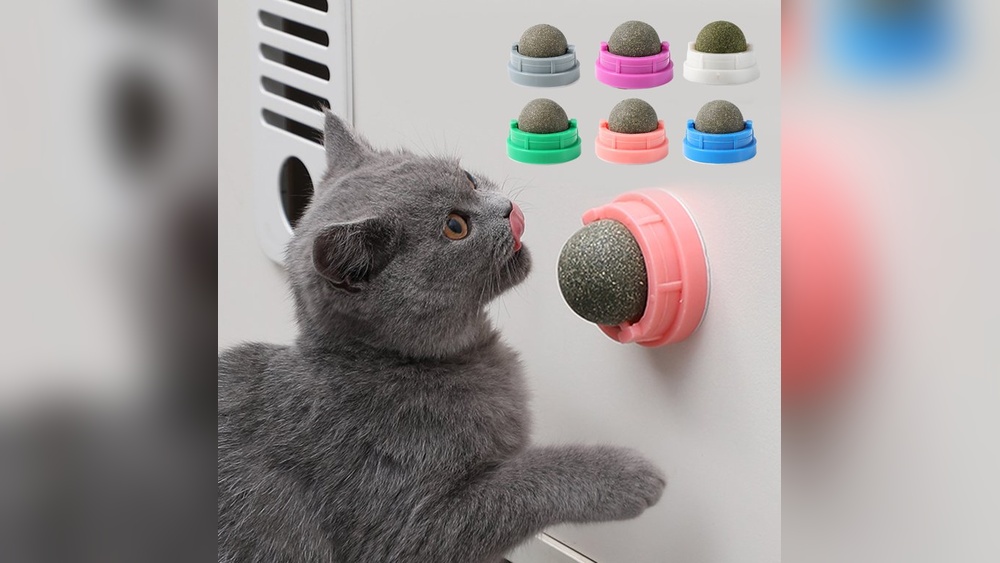
Have you ever watched your cat licking its toy and wondered why? It might seem strange or even funny, but there’s more to this behavior than just play.
Understanding why your cat licks its toys can help you connect better with your furry friend and ensure their happiness. Keep reading, and you’ll discover surprising reasons behind this quirky habit that will change how you see your cat’s playtime forever.

Credit: www.walmart.com
Reasons Cats Lick Toys
Cats often lick their toys for several reasons. This behavior can tell us a lot about their feelings and instincts. Understanding why cats lick toys helps us care for them better. Below are some common reasons why cats show this behavior.
Instinctual Behavior
Licking toys is a natural action for cats. It comes from their hunting instincts. Cats use their mouths to explore and catch prey. Toys mimic small animals, so cats lick them like real prey. This behavior helps them practice hunting skills.
Scent Marking
Cats have scent glands in their mouths. Licking toys spreads their scent on the object. This marks the toy as theirs and keeps other animals away. Scent marking gives cats a sense of security and ownership.
Exploring Texture And Taste
Toys have different textures and smells. Cats use licking to learn more about these features. It helps them decide if the toy is safe or interesting. Licking can also be soothing for cats.
Emotional Triggers
Cats use licking as a way to express feelings. Toys can trigger their emotions. Understanding these emotional triggers helps us know why cats lick toys.
Comfort And Security
Licking toys gives cats a sense of comfort. It reminds them of their mother’s care. This action helps them feel safe. The toy becomes a source of security. Cats often lick toys when they are alone or scared.
Stress Relief
Licking helps cats reduce stress and anxiety. It acts like a calming activity. When cats feel worried, licking soothes them. It lowers their heart rate and relaxes muscles. Toys offer a safe outlet for this behavior.
Attention Seeking
Sometimes, cats lick toys to get attention. They want you to notice and play with them. Licking can signal that they need interaction. It is a way to communicate without words. Responding can strengthen your bond with your cat.
Health And Hygiene
Cats are very clean animals. Their health and hygiene depend on regular grooming and checking their environment. Licking toys is part of how they keep safe and clean. It helps them explore their surroundings and avoid risks. Understanding why cats lick toys can help owners keep their pets healthy.
Checking For Harmful Substances
Cats use licking to test toys for harmful materials. Their tongues can detect strange tastes or smells. This behavior helps them avoid poisonous or sharp objects. By licking, they gather important information about the toy’s safety. It is a natural way to protect themselves from danger.
Grooming Habit Extension
Licking toys can be an extension of a cat’s grooming habits. Cats clean their fur by licking regularly. Toys may become part of this routine. They transfer their grooming behavior to objects they like or trust. This habit keeps their environment familiar and comfortable.

Credit: www.amazon.com
Play And Interaction
Cats use play to explore and understand their world. Toys help cats express natural behaviors. Licking toys is part of their play and interaction.
Mimicking Hunting
Licking toys copies how cats clean their prey. It is a way to practice hunting skills. This behavior keeps their instincts sharp and ready.
Engaging Senses
Toys stimulate a cat’s senses of smell and taste. Licking helps cats learn about texture and flavor. It makes playtime more interesting and fun.
Bonding With Owners
When cats lick toys during play, they feel happy. It shows trust and comfort with their environment. This strengthens the bond between cats and owners.
When Licking Becomes A Problem
Licking is a normal behavior for cats. It helps them explore and feel comfort. But licking a toy too much can become a problem. It may show stress or health issues. Owners should watch their cats closely to spot any troubling signs.
Signs Of Obsessive Behavior
Obsessive licking happens when a cat focuses only on the toy. The cat may lick the same toy for a long time. It might ignore food or play. The skin on the toy or cat’s tongue may look raw or sore. The cat might seem anxious or restless.
Potential Health Issues
Excessive licking can cause skin wounds on the cat’s tongue. It may lead to infections or irritation. Sometimes, licking a toy means the cat feels lonely or stressed. Digestive problems can also cause this behavior. It is important to check for any changes in appetite or mood.
When To Consult A Vet
Visit the vet if licking is constant or causes injury. The vet can find if there are health problems. They may suggest ways to reduce stress or anxiety. Early help can stop the behavior from getting worse. Always act fast to keep your cat safe and happy.

Credit: www.reddit.com
Tips To Manage Toy Licking
Managing your cat’s habit of licking toys helps keep them safe and happy. Cats lick toys for many reasons, like curiosity or comfort. It is important to guide this behavior in a healthy way. Use these tips to make playtime better for your cat.
Providing Safe Toys
Choose toys made from non-toxic materials. Avoid small parts that can break off and cause choking. Soft, durable fabrics work well for cats that lick a lot. Replace toys that show wear or damage quickly. Safe toys protect your cat’s health during play.
Encouraging Alternative Activities
Offer new ways for your cat to stay busy. Play with wand toys or use treat puzzles. These activities keep their mind active and reduce licking. Rotate toys often to keep your cat interested. Physical and mental exercise helps prevent boredom.
Maintaining Toy Cleanliness
Wash toys regularly to remove dirt and germs. Use mild soap and warm water for cleaning. Dry toys completely before giving them back to your cat. Clean toys reduce the risk of infections from licking. Keeping toys fresh encourages healthy play habits.
Frequently Asked Questions
Why Does My Cat Lick Its Toys Frequently?
Cats lick toys to explore textures and scents. It mimics grooming behavior and shows comfort or affection towards the toy. This licking also helps cats mark their territory through scent glands in their mouths.
Can Licking Toys Indicate Stress In Cats?
Yes, excessive licking of toys can signal stress or anxiety. Cats often use licking as a self-soothing behavior. If licking is obsessive, consider providing more stimulation or consulting a vet.
Do Cats Lick Toys For Hydration Or Taste?
Cats rarely lick toys for hydration. They may lick due to residual scents or flavors on toys. Licking also satisfies their natural hunting instincts and curiosity about objects.
Is Licking Toys A Sign Of Boredom In Cats?
Licking toys can indicate boredom or lack of mental stimulation. Cats need interactive play to stay engaged. Providing varied toys and playtime helps reduce boredom-related licking.
Conclusion
Cats lick their toys for many simple reasons. It can show love, curiosity, or comfort. Sometimes, licking helps them explore new textures and smells. It also keeps them entertained and happy. Watching this behavior helps you understand your cat better.
Give your cat safe, clean toys to enjoy. Remember, licking is a natural way cats connect with their world. Keep observing, and you will learn more about your pet’s unique habits.