
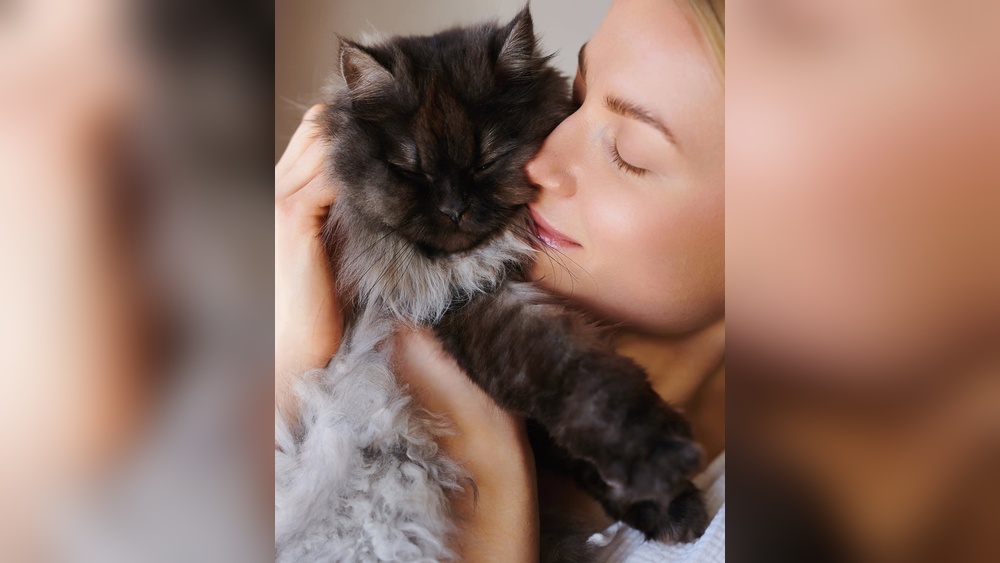
Have you ever noticed a strange smell when your cat grooms itself? You might wonder why your furry friend, who usually smells fresh and clean, suddenly gives off an odd odor.
Understanding what causes this smell is important for your cat’s health and your peace of mind. You’ll discover the surprising reasons behind the smell and learn what you can do to keep your cat feeling—and smelling—its best. Keep reading, because the answer might be simpler than you think.
Cat Grooming Basics
Cats spend a lot of time grooming themselves. It is a natural habit that keeps them clean and comfortable. Grooming helps cats remove dirt, loose hair, and even small pests. It also spreads natural oils across their fur. These oils keep their coat shiny and healthy.
Understanding the basics of cat grooming helps explain why sometimes you notice a smell. The process is simple but involves many steps that keep your cat looking and feeling good.
How Cats Clean Themselves
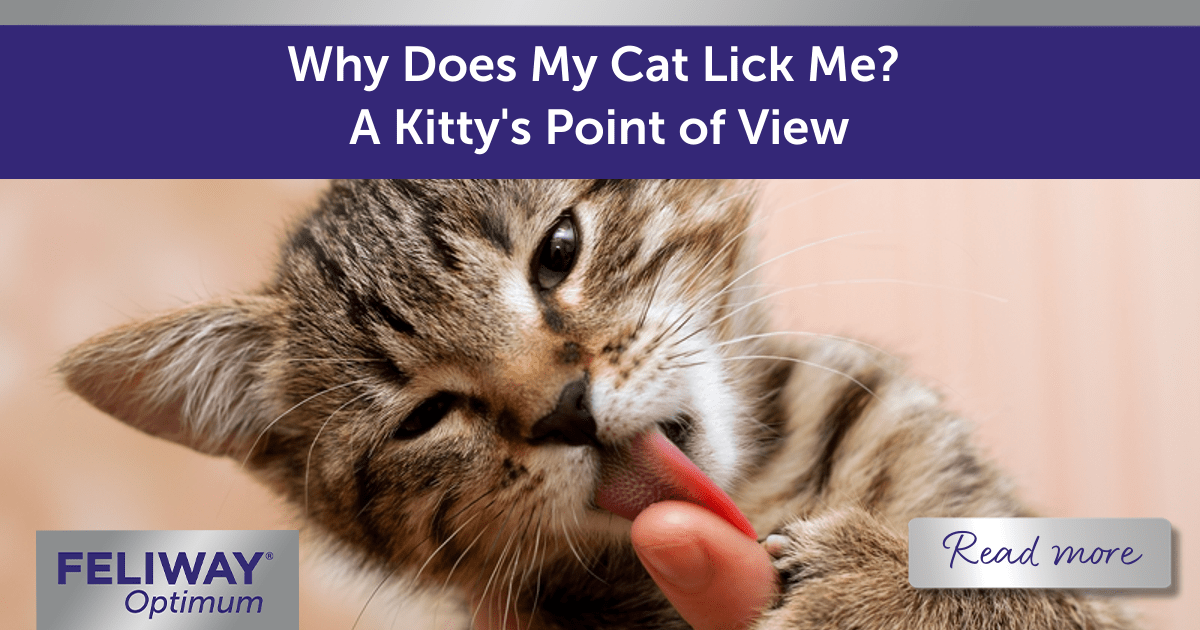
Cats use their tongue to clean their fur. Their tongues have tiny, rough bumps called papillae. These bumps act like a brush. They pull dirt and loose hair away from the skin. Cats lick all parts of their body. They reach places their paws cannot clean. Grooming also helps cats cool down and relax.
Role Of Saliva In Grooming
Saliva plays a key role in grooming. It moistens the fur and helps remove dirt. Saliva contains enzymes that can break down some oils and debris. This keeps the coat soft and clean. Sometimes, saliva may leave a slight smell. This is normal and comes from natural body oils and bacteria. If the smell is strong or bad, it might mean your cat needs a vet check.
Credit: www.feliway.co.uk
Sources Of Grooming Odor
Cat grooming can sometimes come with a noticeable smell. This odor comes from several natural sources on your cat’s body. Understanding these sources helps explain why your cat smells after grooming.
Some smells are normal and part of your cat’s unique scent. Others may point to health or diet issues. Let’s explore the main reasons behind grooming odors.
Natural Scent From Cat’s Skin
Cats have oils on their skin that keep their fur soft and healthy. These oils have a natural smell that varies from cat to cat. The scent is usually mild but can be stronger in some cats. It comes from glands near the skin’s surface. Grooming spreads these oils across the fur, which can create a distinct odor.
Bacteria And Yeast Factors
Small amounts of bacteria and yeast live on a cat’s skin. Normally, they do not cause bad smells. If these microorganisms grow too much, they create a strong odor. This can happen if the cat has skin infections or allergies. Grooming can mix these microbes with oils, making the smell more noticeable.
Impact Of Diet On Smell
Your cat’s food affects its body odor. Some diets cause stronger smells in the skin and fur. Poor-quality food or sudden diet changes can increase odor. Foods rich in fish or certain proteins may create a fishy or strong scent. Healthy, balanced diets usually help keep odors mild and pleasant.
When Grooming Smell Signals Problems
Sometimes, a bad smell during your cat’s grooming is a warning sign. Cats usually keep themselves clean and fresh. A strange odor can mean your cat has a health problem. Watch closely for changes in smell. Act fast to help your pet stay healthy.
Infections And Skin Issues
Infections often cause a strong, unpleasant smell. Bacteria or yeast can grow on your cat’s skin. This growth leads to bad odors during grooming. Look for redness, swelling, or hair loss too. These signs show your cat needs a vet check.
Dental Problems Causing Odor
Bad breath can mix with your cat’s grooming smell. Tooth decay or gum disease creates foul odors. These dental problems may also make eating painful. Watch for drooling or pawing at the mouth. Treating dental issues can reduce the smell.
Allergies And Sensitivities
Allergies can make your cat’s skin itchy and smelly. Some cats react to food or environment changes. This reaction may cause oily or dry patches. These patches often have a bad smell. Allergy treatment helps stop the odor and discomfort.
Environmental Influences On Odor
Cats groom themselves often to stay clean and healthy. Sometimes, their grooming can cause a strange smell. The environment around your cat plays a big role in this odor. Different things your cat meets every day can add smells to its fur. Understanding these can help you keep your cat fresh and happy.
Exposure To Outdoor Elements
Cats that go outside pick up many scents from nature. Dirt, grass, and water can stick to their fur. Rain can make these smells stronger. Bugs or small animals your cat meets may leave a scent. Even pollen from flowers can add a smell. These outdoor elements mix with your cat’s natural oils and create odor. After outdoor play, a bath may help reduce the smell.
Household Products And Scents
Inside the home, many products affect your cat’s smell. Cleaning sprays, air fresheners, and perfumes all leave scents. Your cat’s fur can absorb these smells easily. Laundry detergent on blankets or bedding also adds odor. Sometimes, these smells mix with your cat’s natural scent. This mix can smell strange or strong. Keep household scents mild to help your cat stay odor-free.
Managing And Reducing Grooming Odors
Cats groom to stay clean, but sometimes odors happen. Managing and reducing grooming smells helps keep your home fresh. Regular care lowers strong smells from your cat’s fur and skin. It also supports your cat’s health and comfort. Simple steps can make a big difference in controlling grooming odors.
Regular Bathing Tips
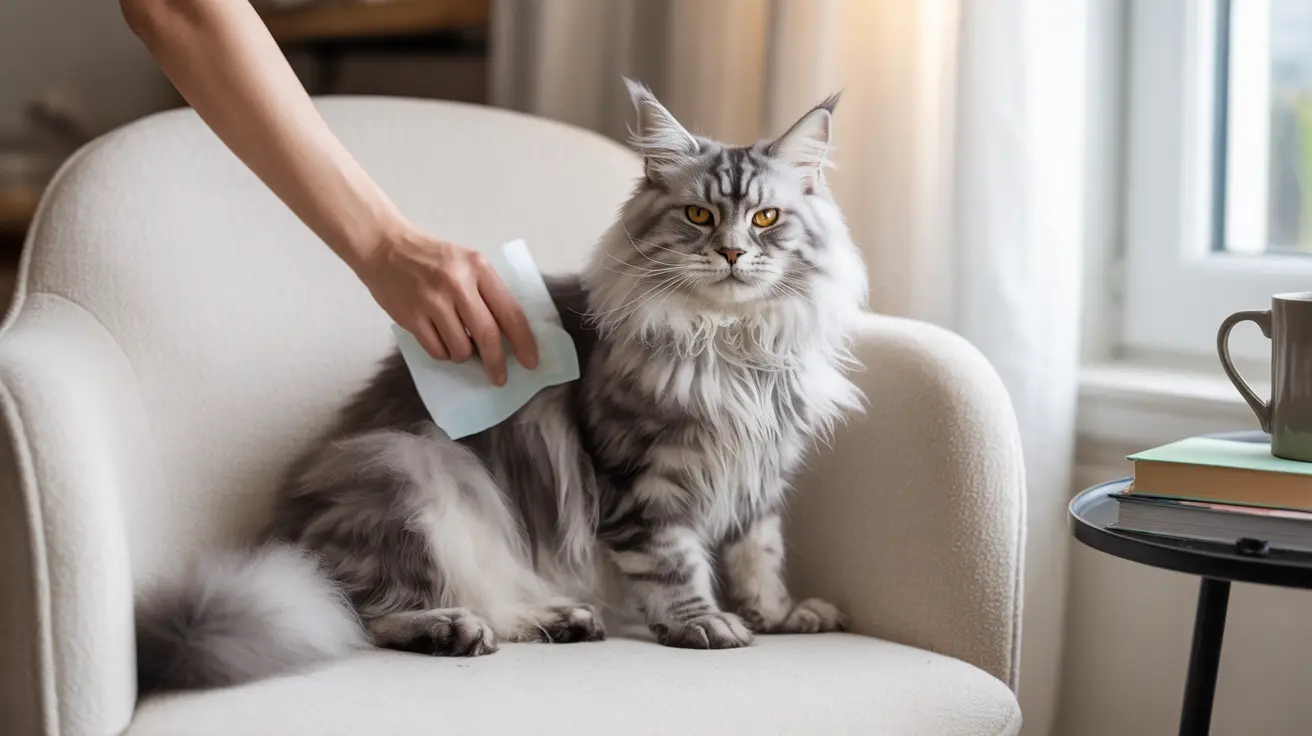
Bathing your cat can reduce odors from grooming. Use a gentle cat shampoo made for sensitive skin. Avoid human shampoos as they can irritate your cat. Wet your cat with warm water before applying shampoo. Rinse well to remove all soap, preventing skin dryness. Dry your cat with a soft towel or a low-heat dryer. Limit baths to once a month to protect natural oils in fur.
Dietary Adjustments
Your cat’s diet affects body odor. Feeding high-quality food supports healthy skin and coat. Avoid foods with fillers or artificial additives. Omega-3 and omega-6 fatty acids improve fur smell and shine. Fresh water helps flush toxins that cause bad odors. Consult your vet for diet advice tailored to your cat’s needs.
Veterinary Care And Treatments
Strong odors may signal health problems. Skin infections or allergies cause bad smells during grooming. Regular vet check-ups catch these issues early. Your vet can prescribe treatments like medicated shampoos or antibiotics. Keep your cat’s vaccinations and parasite control up to date. Proper care prevents odors linked to illness or pests.
:strip_icc()/GettyImages-585550386-59a065ba845b340011fbf3bf.jpg)
Credit: www.thesprucepets.com
Myths About Cat Grooming Smells
Many people wonder why their cat smells after grooming. Some believe the smell means the cat is dirty or sick. Others think the cat’s tongue causes bad odor. These ideas are common but not always true. Understanding myths about cat grooming smells helps pet owners care better for their cats.
Common Misconceptions
One myth says cats always smell bad after grooming. Cats are usually clean animals. Their saliva has a mild scent, not a strong odor. Another misconception is that cats groom to hide bad smells. Actually, grooming helps cats stay clean and cool. Some think cats’ mouths are dirty, causing the smell. Cats lick themselves to remove dirt and loose fur. Their mouths are not like humans’ but do not hold harmful bacteria.
Separating Fact From Fiction
Not all smells during grooming are normal. A strong or foul odor may signal health issues. Problems like infections or dental disease can cause bad smells. Regular vet checkups keep cats healthy and smelling fresh. Grooming itself usually does not create bad odors. If your cat smells bad after grooming, check its skin and mouth. Clean your cat’s bedding and surroundings often. These steps help reduce unwanted smells and keep your cat happy.
Credit: www.petscare.com
Frequently Asked Questions
Why Does My Cat Smell When Grooming?
Cats produce natural oils during grooming, which can cause a mild scent. Occasionally, bacteria or skin issues may cause stronger odors. Regular grooming helps reduce smell, but persistent odors may indicate health problems requiring a vet visit.
Can A Cat’s Grooming Cause Bad Odors?
Yes, if a cat has skin infections or dental problems, grooming can spread odors. Poor hygiene or trapped dirt can also cause bad smells. Regular vet checkups and cleaning help keep your cat smelling fresh.
Is It Normal For Cats To Have A Scent After Grooming?
A faint scent after grooming is normal due to natural oils and saliva. However, strong or foul odors might signal infections or poor hygiene. Monitoring your cat’s grooming habits and health ensures any issues are addressed promptly.
How Can I Reduce My Cat’s Grooming Odor?
Regular brushing and bathing reduce oils and dirt buildup. Clean your cat’s bedding frequently and maintain dental hygiene. If odors persist, consult a vet to rule out infections or skin conditions.
Conclusion
Cats can have smells when they groom for many reasons. Sometimes, it comes from their natural oils or food. Other times, it could signal a health problem or dirt. Keep your cat clean and check for unusual smells often. A vet visit helps if the smell worries you.
Knowing why your cat smells helps you care for them better. Trust your instincts and watch your cat closely. Healthy cats usually smell fresh and clean.