
Have you ever felt a sharp nip from your cat while you’re trying to show some love through grooming? It can be confusing and even a little painful.
You might wonder, “Why does my cat bite me while grooming? ” Understanding this behavior can help you strengthen your bond and avoid those unexpected bites. Keep reading to discover the surprising reasons behind this common feline habit and learn how to respond in a way that keeps both you and your cat happy.
Cat Grooming Behavior
Cats spend a lot of time grooming themselves. This behavior keeps their fur clean and healthy. Grooming also helps cats relax and feel safe. Sometimes, cats show this behavior with other cats or their owners. Understanding how cats groom can explain why they sometimes bite during grooming.
How Cats Groom Themselves
Cats use their tongues to clean their fur. Their tongues have tiny, hook-like structures. These hooks remove dirt and loose fur. Cats lick their fur in a steady, careful way. They also use their teeth to nibble at knots or dirt. Grooming is a daily habit for cats. It controls their body temperature and reduces stress too.
Social Grooming Among Cats
Cats groom each other to show friendship and trust. This is called social grooming or allogrooming. It helps build strong bonds between cats. They lick hard-to-reach places like the head and neck. Social grooming can calm and comfort cats. Sometimes, cats may bite lightly during grooming as a form of communication. This biting is usually gentle and not meant to hurt.
Credit: coleandmarmalade.com
Reasons Behind Grooming Bites
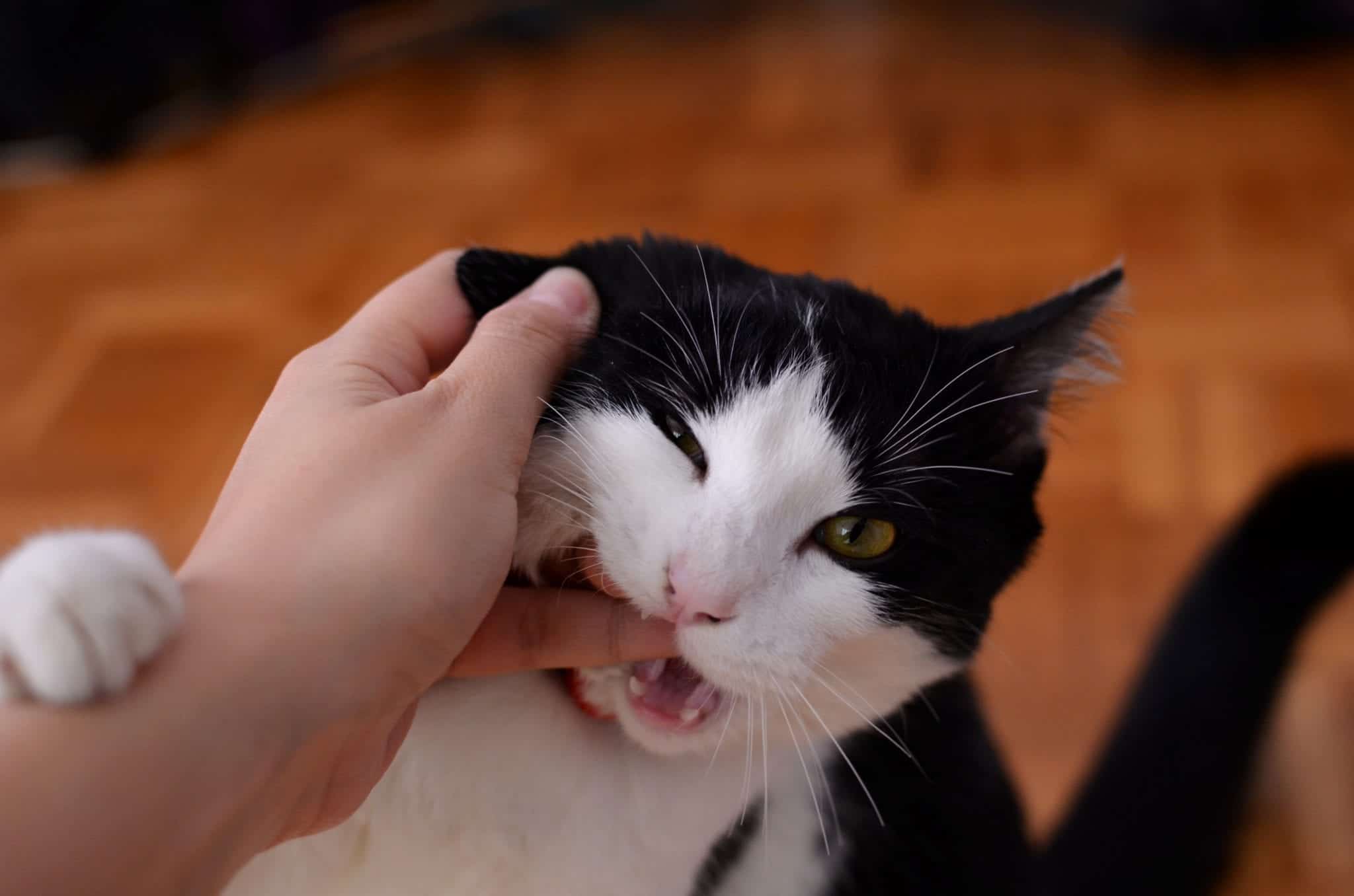
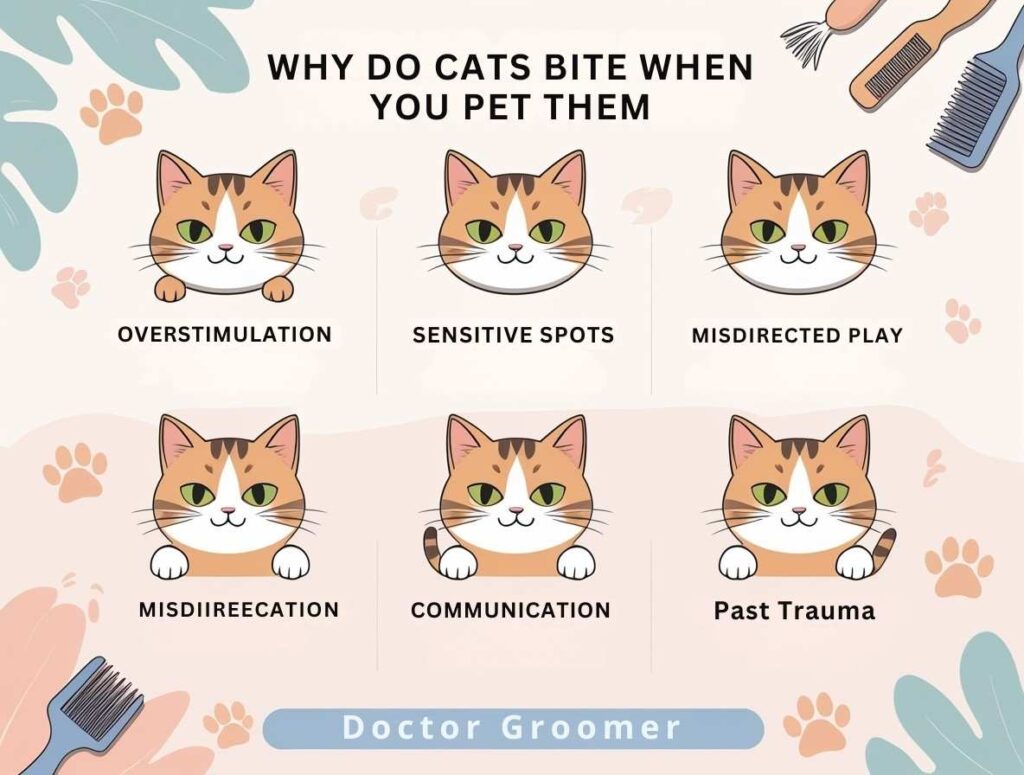
Cats often bite during grooming. This behavior can confuse many cat owners. Understanding why cats bite helps improve your bond. Grooming bites are a form of communication. They show how your cat feels at the moment. Several reasons explain this behavior.
Communication Through Biting
Cats use biting to send messages. Gentle nips can mean affection or trust. Hard bites warn that your cat needs space. Grooming is a close activity, so cats share feelings through bites. They might say, “Enough now” or “I like this.” Learning to read these signs helps avoid bites.
Overstimulation Sensitivity
Some cats get sensitive quickly during grooming. Too much petting can cause discomfort. Biting is their way to stop it. Overstimulation happens if you stroke the same spot too long. Watch your cat’s body language to notice irritation. Tail flicking or tense muscles often come before a bite.
Playful Nature Of Cats
Cats love to play, even during grooming. Biting might be a playful act. They use their mouths like toys. This play biting is common in young cats. It shows they feel safe and happy. Playful bites are usually gentle but can surprise you. Respond calmly to keep the play friendly.
Emotional Triggers For Biting
Cats use biting as a way to express feelings. Emotional triggers often cause cats to bite during grooming. Understanding these feelings helps to stop unwanted bites. Cats have different reasons linked to emotions for biting their owners.
Stress And Anxiety
Stress makes cats nervous and uneasy. Grooming can feel overwhelming during these times. Biting acts as a way to release tension. It is a sign that the cat feels unsafe or scared. Calm surroundings help reduce stress and biting.
Seeking Attention
Cats bite to get noticed by their owners. Grooming time is a chance to interact. If the cat feels ignored, a gentle bite may follow. This is their way to say, “Look at me.” Responding with care can teach better habits.
Territorial Instincts
Cats are territorial animals by nature. Grooming can sometimes trigger a defense reaction. Biting signals that the cat wants to protect its space. It shows that the cat feels threatened. Giving the cat its own space reduces biting incidents.
Physical Factors Influencing Biting
Physical factors often cause cats to bite during grooming. These bites can be a sign of discomfort or natural behavior. Understanding these reasons helps you care better for your cat. It also improves your bond and keeps grooming safe and pleasant.
Pain Or Discomfort
Cats may bite if grooming causes pain. Sensitive spots or skin problems can make them react quickly. Even a small injury can make a cat snap. They use biting to protect themselves. Watch for signs like flinching or pulling away. Check for redness, swelling, or wounds. Pain makes grooming a negative experience for cats.
Age And Energy Levels
Young cats and kittens have high energy. They often play with their mouths, including biting. Biting during grooming can be a playful act. Older cats may bite less but have less patience. Aging cats might bite due to arthritis or stiffness. Energy levels influence how they react during grooming. Understanding your cat’s age helps explain biting behavior.
How To Respond To Grooming Bites
Grooming bites can confuse cat owners. These bites may seem like play or aggression. Understanding how to respond helps keep your bond strong. Reacting calmly is key. This section explains steps to manage grooming bites effectively.
Reading Cat’s Body Language
Watch your cat’s ears and tail. Flattened ears or twitching tail signal irritation. Slow blinking shows comfort and trust. Sudden jerks or stiff posture mean stop. Pay attention to your cat’s eyes too. Wide eyes might indicate stress or excitement. Recognizing these signs helps prevent bites.
Setting Boundaries
Teach your cat which behavior is okay. Gently withdraw your hand when biting starts. Say “no” in a calm, firm voice. Avoid yelling or punishment. Consistency is important for learning. Offer breaks during grooming sessions to reduce stress.
Redirecting Biting Behavior
Provide toys as alternatives to biting. Soft toys or interactive play distract your cat. Use treats to reward gentle behavior. Engage your cat in regular playtime to burn energy. This reduces biting caused by boredom or anxiety. Patience and persistence improve results over time.

Credit: www.ranchovillagevet.com
Preventing Grooming Bites
Preventing grooming bites is important for a happy cat and owner. Cats bite during grooming because they feel uncomfortable or stressed. You can stop this behavior by creating a calm and safe experience for your cat. Simple steps make grooming easier and more enjoyable for both of you.
Regular Grooming Routine
Set a daily or weekly grooming schedule. Cats like routine and feel safer with it. Short sessions work best. Groom your cat gently and slowly. Watch for signs of stress or discomfort. Stop if your cat becomes restless or bites. Keep sessions positive and calm.
Using Appropriate Tools
Choose the right tools for your cat’s fur type. Soft brushes work well for short hair. Wide-tooth combs help with long hair. Avoid sharp or rough tools that can hurt your cat. Clean tools often to keep them gentle. Using the correct tools makes grooming smooth and less painful.
Positive Reinforcement Techniques
Reward your cat for good behavior during grooming. Give treats or soft praise after sessions. Use a calm voice to soothe your cat. Avoid punishment, which increases stress and biting. Patience and kindness help build trust. Positive rewards encourage your cat to stay calm and enjoy grooming.
Credit: doctorgroomer.com
Frequently Asked Questions
Why Does My Cat Bite While Grooming Me?
Cats may bite during grooming as a form of communication or play. It can signal affection, overstimulation, or a way to set boundaries. Understanding your cat’s body language helps identify the reason behind the biting.
Is Biting Normal Behavior In Cat Grooming?
Yes, gentle biting is normal in cat grooming. It mimics natural cat interactions and helps build social bonds. However, hard biting indicates discomfort or stress and should be addressed.
How Can I Stop My Cat From Biting During Grooming?
To stop biting, watch for signs of overstimulation and pause before biting starts. Use positive reinforcement and gentle petting to encourage calm behavior. Avoid rough play that encourages biting.
What Does Cat Grooming Biting Mean Emotionally?
Cat grooming biting often expresses affection or trust. Sometimes, it shows irritation or a need for attention. Recognizing your cat’s mood helps interpret the emotional meaning of the bite.
Conclusion
Cats may bite during grooming to show affection or set limits. They also use gentle bites to communicate. Understanding your cat’s body language helps prevent bites. Stay calm and respond gently to their signals. This strengthens your bond and keeps grooming pleasant.
Remember, patience and care make a big difference. Keep learning about your cat’s unique ways. Your cat’s bites are part of their natural behavior. Respect and attention help both of you enjoy grooming time.