
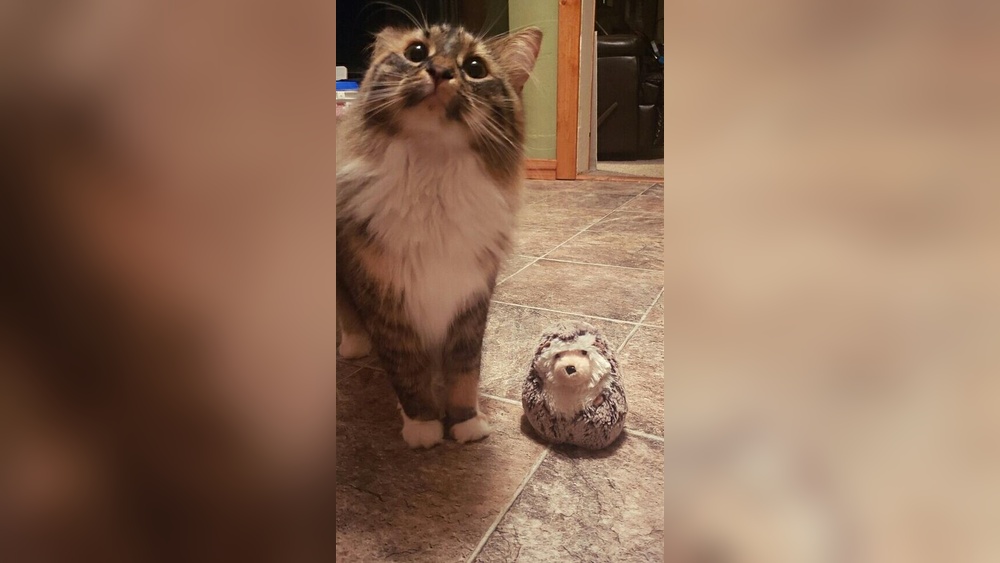
Have you ever wondered why your cat brings you toys late at night? It might seem strange or even a little mysterious.
But your furry friend has a reason for this curious behavior. Understanding why your cat shares its toys with you can deepen your bond and make those nighttime visits even more special. Keep reading to discover what your cat is really trying to tell you when it brings you toys in the dark.
Cat Behavior At Night
Cats behave differently at night than during the day. They become more active and alert. This change is natural and tied to their wild ancestors. Understanding their night behavior helps explain why your cat brings toys to you. It shows their natural instincts and playful mood.
Nocturnal Instincts
Cats are naturally nocturnal animals. Their ancestors hunted mostly at night. This instinct remains strong in domestic cats. Nighttime is when their senses are sharper. They rely on sight and hearing to find prey. Bringing toys mimics hunting and sharing a catch. It is a way to show trust and bond with you.
Increased Playfulness
At night, cats often feel more playful. The quiet environment makes them more active. They want to engage and have fun. Toys become a tool for this play. Bringing toys to you invites interaction. It is their way to start a game. This behavior also helps them release energy before sleep.
Credit: holidaybarn.com
Meaning Behind Toy Gifts
Cats often bring toys to their owners at night. This behavior has special meanings. Understanding these meanings helps build a better bond with your cat.
Each toy gift shows a part of your cat’s feelings or needs. These gifts are not random. They express affection, attention, or instinctive habits.
Showing Affection
Your cat brings toys to show love. It is a simple way to say, “I care about you.” Cats use gifts to share their happiness with their favorite person.
This act is like giving a present. Your cat feels close and trusts you. Toys become symbols of their affection and comfort.
Seeking Attention
Sometimes cats want your focus. Bringing a toy is their way to ask for playtime or company. They want you to notice them and join in fun.
At night, your cat may feel lonely or bored. The toy helps start interaction. It invites you to engage and spend time together.
Sharing A ‘hunt’
Cats are natural hunters. Bringing toys mimics catching prey. It shows their instinct to share food or a catch with you.
This gift is a sign of trust and respect. Your cat treats you like part of their family. They share the joy of the hunt through the toy.
How Cats Communicate
Cats use many ways to talk with people and other animals. They do not speak like humans, but they share their feelings and needs clearly. Understanding how cats communicate helps us know why they bring toys at night. Their signals can be small actions, sounds, or movements.
Watching a cat’s behavior closely shows what they want to say. They use body language, sounds, and purring to express themselves. These signals tell us if a cat feels happy, scared, or playful.
Body Language Signals
Cats use their body to send messages. A cat’s tail, ears, and eyes show feelings. A wagging tail can mean excitement or playfulness. Ears turned back might show fear or anger.
When a cat brings a toy, it might hold the toy in its mouth or drop it near you. This shows trust and sharing. Cats use these signals to connect with their owners and invite interaction.
Vocalizations And Purring
Cats make different sounds to express themselves. Meowing is often used to get attention or ask for something. Some cats meow more at night to communicate with their owners.
Purring usually means contentment, but it can also comfort a cat when it is stressed. When your cat brings toys and purrs, it shows affection and a desire to bond with you.

Credit: www.kinship.com
Role Of Play In Cat Life
Play is very important in a cat’s life. It helps cats learn about their world and stay happy. Cats are natural hunters. Play lets them use their hunting skills safely indoors. Bringing toys to you at night shows they want to share this moment. It is their way of saying, “Let’s play together.”
Mental Stimulation
Play keeps a cat’s mind sharp and active. Chasing toys mimics hunting, which challenges their brain. It stops boredom and reduces stress. Mental activity helps prevent behavior problems. Cats feel more relaxed and focused after play.
Physical Exercise
Playing helps cats stay fit and healthy. It moves their muscles and improves coordination. Nighttime play matches their natural active hours. Exercise burns energy and helps cats sleep better. It also supports a healthy weight and strong body.
Strengthening Your Bond
When your cat brings toys to you at night, it shows trust and affection. This behavior helps build a strong bond between you and your pet. Cats use toys to share their playful world with you. It means they want to spend time together and feel close.
Understanding this act can deepen your relationship. Responding well encourages your cat to keep sharing and playing. It creates a positive cycle of attention and care. Your cat feels loved and secure in your presence.
Interactive Play Tips
Spend time playing with your cat using the toys they bring. Use strings, feathers, or small balls to engage them. Move toys slowly to mimic real prey. Let your cat catch the toy sometimes. This keeps play fun and exciting.
Keep play sessions short but frequent. Around 10 to 15 minutes works well. Play helps your cat stay active and happy. It also reduces stress and bad behavior. Try to play before bedtime to help your cat relax.
Responding To Toy Gifts
When your cat brings a toy, thank them with gentle words. Pet them softly to show you appreciate the gift. Avoid taking the toy away quickly. Instead, use the toy to start a play session. This shows you value their offering.
Sometimes, cats bring toys to invite you to hunt together. Join in the fun by chasing the toy. This shared activity strengthens your connection. It also helps your cat feel like part of your family.
When To Be Concerned
Not all toy-giving by cats is normal. Sometimes, it points to problems. Watch your cat closely. Changes in behavior or health can signal trouble. Knowing when to act helps keep your cat safe.
Behavioral Changes
Your cat may bring toys due to stress or anxiety. Sudden changes in play habits can be a warning sign. Less interest in toys or more aggressive play should raise concern. Observe if your cat hides more or becomes withdrawn. These signs often mean your cat needs help.
Health Issues
Illness can cause unusual toy behavior at night. Pain or discomfort might make your cat restless. Watch for limping, changes in eating, or vocalizing more. Cats sometimes bring toys to seek comfort or attention. A vet visit can rule out health problems quickly.

Credit: www.reddit.com
Frequently Asked Questions
Why Does My Cat Bring Toys At Night?
Cats are nocturnal hunters. Bringing toys at night mimics hunting behavior. It’s their way of sharing and bonding with you.
Is Night Toy Bringing A Sign Of Affection?
Yes, it shows trust and affection. Cats share their “prey” to strengthen your bond and seek attention or play.
Does This Behavior Mean My Cat Is Hungry?
Not always. Sometimes it’s playful or affectionate. But if frequent, your cat might want feeding or treats.
How Can I Encourage This Behavior Safely?
Provide safe, interactive toys. Engage in nightly play sessions. Positive reinforcement builds a strong, playful bond with your cat.
Conclusion
Cats bring toys at night to share and connect with you. They show trust and want your attention. This behavior also comes from their natural hunting instincts. Watching your cat’s actions helps build a stronger bond. Enjoy these small moments—they mean a lot to your pet.
Understanding why cats act this way makes living with them more fun. Keep playing and caring, and your cat will stay happy and close.