
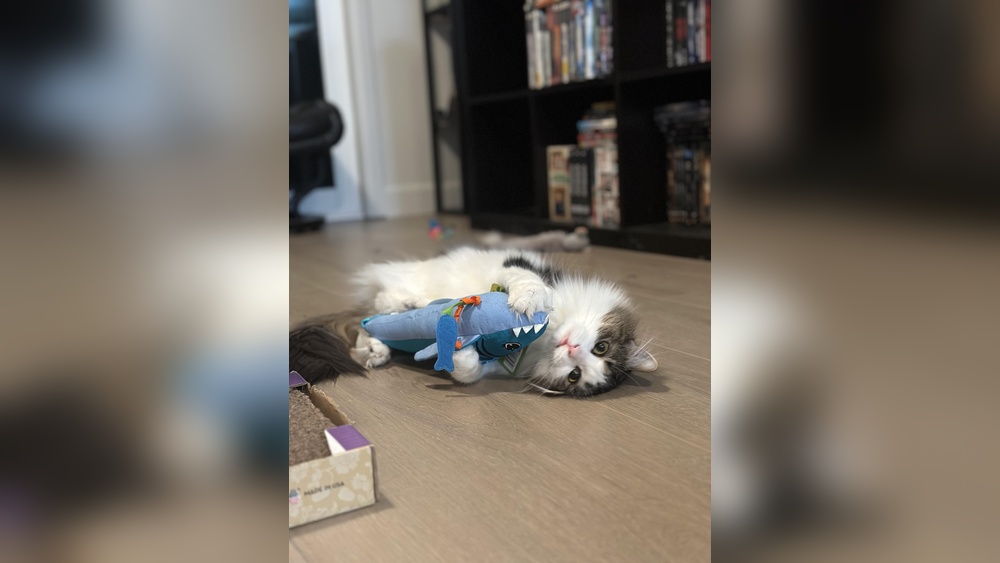
Have you ever caught your cat making soft, cooing sounds at her toys and wondered why? It’s a curious behavior that can leave you scratching your head.
Understanding why your furry friend does this can deepen your bond and help you care for her better. You’ll discover the surprising reasons behind your cat’s cooing and what it means for her happiness and health. Keep reading—you might just uncover secrets that will make you see your cat in a whole new light.

Credit: www.amazon.com
Cat Vocalizations
Cats use sounds to share their feelings and needs. These sounds are called vocalizations. Each cat has its own way to talk. Understanding these sounds helps you connect with your pet better.
Cat vocalizations vary a lot. They can be soft or loud. Some sounds mean happiness, others mean stress or hunger. Listening closely can tell you what your cat wants.
Types Of Cat Sounds
Cats make many different sounds. Meowing is the most common. It often asks for attention or food. Purring shows comfort and happiness. Hissing means fear or anger. Chirping or chattering happens when cats watch birds or toys. Each sound has a special meaning.
Meaning Behind Cat Cooing
Cooing is a soft, gentle sound cats sometimes make. It is quiet and sweet, like a whisper. Cats often coo at their toys or people they love. This sound shows they feel safe and calm. Cooing can also mean curiosity or playfulness. It is a way cats express gentle feelings.

Credit: corporate.petco.com
Emotional Bonds With Toys
Cats often form strong feelings for their toys. This behavior shows how important toys are in their daily life. Their soft cooing sounds reveal a deep connection. These sounds express comfort and happiness. Toys are more than playthings. They become friends and safe spots for cats.
Understanding this bond helps cat owners see their pets better. It shows why cats act gently with some toys. The emotional ties cats have with toys help them feel calm and loved.
Attachment To Objects
Cats can get attached to certain toys like they do with people. This attachment creates a special bond. Cats may carry toys around or sleep with them. These toys remind cats of safety and fun times. The cooing sound is a way cats show love for the toy.
Comfort And Security
Toys give cats a sense of comfort. They help cats feel safe in new or scary places. The soft cooing means cats feel relaxed and happy. Toys act like a cozy blanket or a warm hug. This comfort helps cats stay calm and stress-free.
Play And Hunting Instincts
Cats have strong play and hunting instincts. These instincts drive their behavior with toys. Play helps cats practice hunting skills safely. It keeps their minds sharp and bodies active. When cats coo at toys, they show interest and focus. This behavior links to how they interact with real prey.
Simulating Prey Interaction
Toys mimic small animals like birds or mice. Cats use their paws, teeth, and eyes to explore toys. The cooing sound may imitate cat calls to attract prey. This makes the play more realistic for cats. They feel like hunters, not just pets playing. This simulation helps satisfy their natural urges.
Enhancing Engagement
Sounds and movements keep cats interested in toys longer. Cooing may encourage cats to keep playing. It adds excitement to the hunting experience. Owners can use toys that move or make noise. These features boost a cat’s focus and enjoyment. Engaged cats stay active and mentally healthy.

Credit: www.reddit.com
Communication Signals
Cats use many sounds to talk. One sound is cooing. When your cat coos at her toys, she sends messages. These sounds are her way to communicate feelings and needs. Understanding these signals helps you know your cat better.
Expressing Contentment
Cooing shows your cat feels happy and calm. It means she enjoys playing with her toys. This gentle sound tells you she is relaxed. She feels safe and satisfied in her space. Cooing is like a soft purr. It shows comfort and peace.
Seeking Attention
Your cat may coo to get your focus. She wants you to join her playtime. This sound asks for interaction and fun. Cooing can mean she feels lonely or bored. She hopes you will come and engage. This simple call helps build a closer bond.
Health And Well-being Factors
Cats cooing at their toys is more than just cute behavior. It often relates to their health and well-being. This sound can show how your cat feels inside and helps keep her balanced. Understanding these reasons helps you care for your cat better.
Stress Relief
Cooing at toys helps cats reduce stress. This soft sound calms their mind and body. Cats may feel safe and happy while playing. It acts like a little break from any worries. Toys give them a way to focus and relax.
Cognitive Stimulation
Cooing also shows mental activity. Toys make cats think and explore. The sound means your cat is engaged and alert. This keeps her brain sharp and healthy. Playing with toys prevents boredom and loneliness.
When To Be Concerned
Not all cooing at toys is a cause for worry. Cats often show affection and curiosity this way. Still, some behaviors may signal stress or health problems. Watch your cat closely to understand her needs better.
Signs Of Anxiety
Cooing can sometimes come from nervousness or fear. Your cat may seem restless or pace around the room. Look for excessive grooming or sudden hiding spots. She might also meow loudly or refuse to eat. These signs suggest anxiety that needs attention.
Behavioral Changes
Changes in how your cat acts can be a warning sign. If she stops playing with toys she once liked, take note. Cooing more than usual, combined with lethargy, might mean illness. Watch for changes in sleeping or litter box habits. These shifts often show that your cat needs help.
Encouraging Positive Interactions
Encouraging positive interactions with your cat and her toys helps build trust and happiness. Cats express joy and comfort through gentle sounds like cooing. Supporting these moments strengthens the bond between you and your pet. It also keeps your cat active and mentally sharp.
Choosing The Right Toys
Select toys that match your cat’s size and play style. Soft, lightweight toys often invite gentle play and cooing. Avoid toys with small parts that could be swallowed. Look for toys that mimic natural prey to keep your cat interested. Rotate toys to keep playtime fresh and exciting.
Creating A Safe Environment
Provide a quiet, calm space for your cat to play and relax. Remove loud noises or sudden movements that might startle her. Use soft bedding or mats around play areas for comfort. Make sure toys are clean and free from sharp edges. A safe environment encourages relaxed and happy play sessions.
Frequently Asked Questions
Why Does My Cat Coo At Her Toys?
Cats coo at toys to express affection and comfort. It mimics mother-cat bonding sounds, showing attachment. This behavior also reflects playfulness and curiosity, helping cats engage emotionally with their environment and feel secure.
Is Cooing A Sign Of Cat Happiness?
Yes, cooing indicates contentment and happiness. Cats use soft vocalizations like cooing when relaxed and comfortable. It shows they feel safe and enjoy their surroundings, especially during play or rest.
Do Cats Coo To Communicate With Humans?
Cats coo to communicate affection and seek attention. This gentle sound helps strengthen the bond between cat and owner. It’s a way for cats to express trust and invite interaction.
Can Cooing Indicate Stress In Cats?
Usually, cooing signals comfort, not stress. However, sudden changes in vocalizations may reflect anxiety. Observe your cat’s overall behavior to understand if cooing relates to stress or relaxation.
Conclusion
Cats coo at their toys because they feel happy and safe. This sound shows they enjoy playing and bonding. Toys help cats stay active and relaxed. Watching your cat coo can bring you joy too. Remember, these little noises mean your cat trusts you.
Keep giving your pet fun and comfort every day. You’ll see more sweet moments like this. Caring for your cat’s feelings makes your bond stronger. Playtime is more than just fun—it’s love in action.