
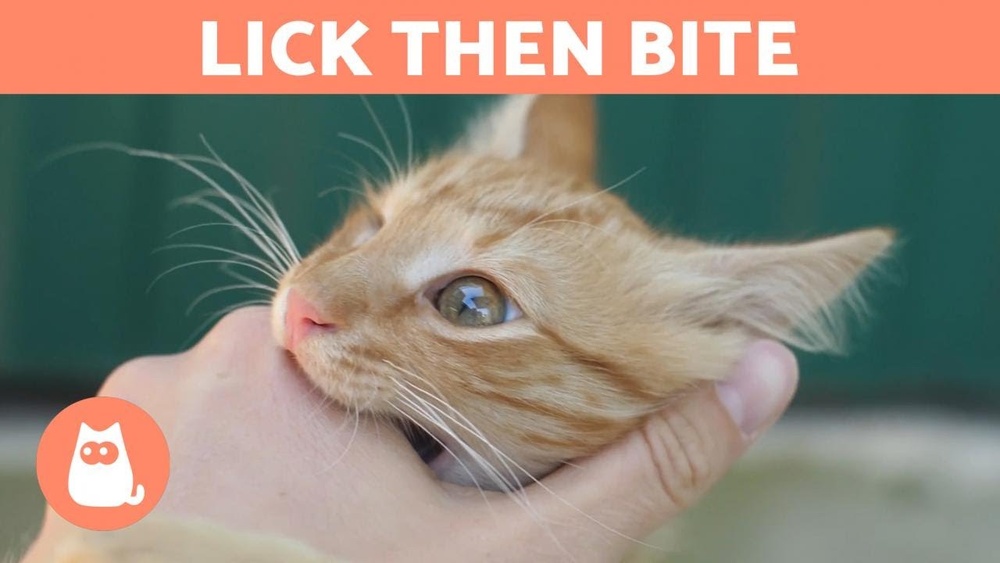
Have you ever wondered why your cat suddenly starts grooming you or giving you little bites? It might seem strange or even a bit confusing, especially when you’re not sure if they’re showing affection or trying to tell you something else.
Understanding this behavior can help you build a stronger bond with your furry friend and avoid any surprises next time those sharp little teeth come your way. Keep reading to discover the surprising reasons behind your cat’s grooming and biting – and what it really means for your relationship.

Credit: www.toe-beans.com
Cat Grooming Behavior
Cats spend a lot of time grooming. This behavior is normal and natural for them. Grooming helps cats keep clean and healthy. It also plays a role in how they interact with their world and with others.
Natural Grooming Instincts
Cats groom themselves to remove dirt and loose fur. Their tongues have tiny, rough bumps. These help clean and untangle fur. Grooming also cools cats down on hot days. It spreads natural oils, keeping their coat shiny.
Social Grooming Among Cats
Cats often groom each other, called allogrooming. This behavior builds trust and bonds between cats. It helps reduce tension in groups. Grooming another cat shows friendship and respect. It is a way cats say, “You are part of my family.”
Grooming As A Sign Of Affection
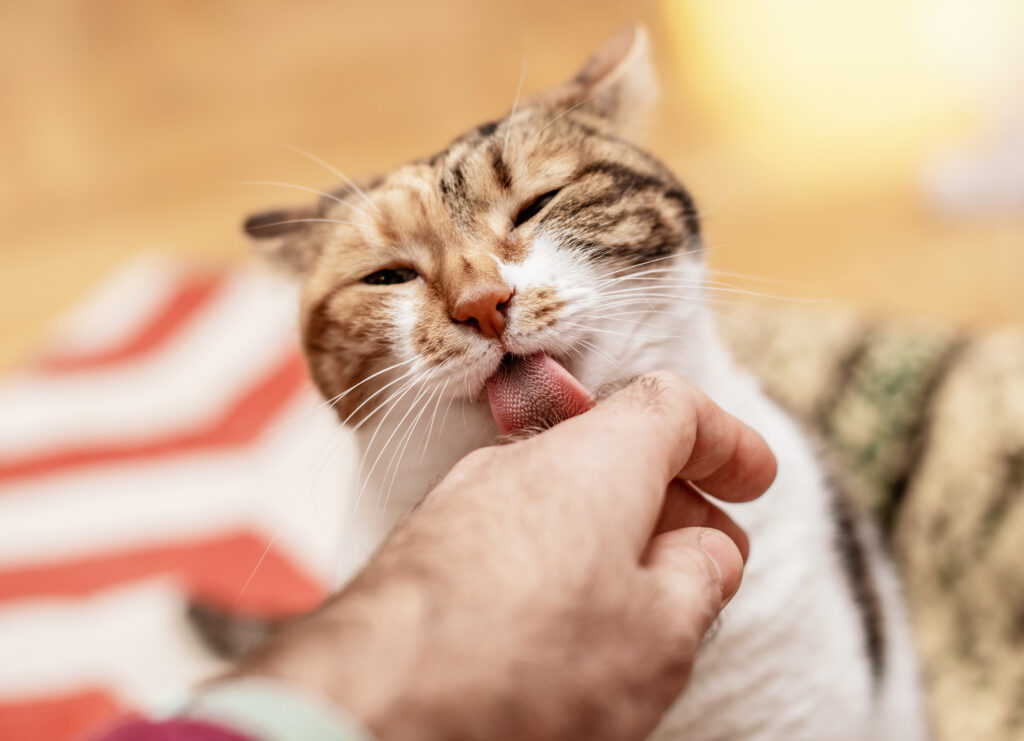
When your cat licks or gently nibbles you, it shows love. Cats see you as part of their group. Grooming you is like caring for a friend or family. The biting is usually soft and not meant to hurt. It is a way cats express closeness and trust.
Reasons Behind Biting
Cats use biting as a way to express different feelings and needs. Understanding why your cat bites helps improve your bond. Biting is not always a sign of aggression. Sometimes, it is a form of communication or play. Let’s explore the common reasons behind your cat’s biting behavior.
Playful Biting
Kittens and young cats often bite during play. It is their natural way to practice hunting skills. This biting is usually gentle and quick. They may bite your fingers or toes as toys. Playful biting shows they trust you and want to interact. Teaching them limits early helps prevent hard bites later.
Overstimulation Response
Cats can get overstimulated during petting or play. Their skin becomes very sensitive. Biting in this case is a warning to stop. It happens suddenly and may surprise you. Watch for signs like tail flicking or ear movement. These signs warn that biting might come next. Respecting these signals keeps the interaction positive.
Communication Through Biting
Sometimes cats bite to communicate a need or feeling. They might bite to say “stop” or “leave me alone.” It can also mean they want attention or food. Biting is a quick way for cats to get your focus. Learning your cat’s unique signals helps you respond better. Respond calmly to avoid fear or stress.
Grooming And Biting Combined
Cats often show grooming and biting together. This behavior may seem strange at first. It has deeper meanings in cat communication. Understanding this helps improve your bond with your cat.
Grooming and gentle biting often happen during close moments. Cats use these actions to share feelings and connect.
Mutual Grooming Habits
Cats groom each other to build trust. This is called allogrooming. When your cat licks and gently bites you, it copies this habit. It shows your cat feels safe and close to you. This behavior is a sign of friendship and care.
Marking Territory
Cats have scent glands in their mouths. Biting and licking help spread their scent. This marks you as part of their territory. It tells other cats you belong to them. This behavior keeps your cat calm and secure.
Attention-seeking Behavior
Sometimes cats bite and groom to get your attention. They want you to pet or play with them. The bite is usually gentle, not painful. It’s a way to say, “Look at me.” Understanding this helps you respond better.

Credit: forevervets.com
How To Respond To Grooming And Biting
Knowing how to respond when your cat grooms or bites you helps build a better bond. Cats use these actions to show affection or to communicate. Your reaction teaches your cat what behavior is okay and what is not. Understanding their signals and setting clear limits can reduce biting and unwanted grooming.
Reading Your Cat’s Body Language
Watch your cat’s ears, eyes, and tail. Relaxed ears and soft eyes often mean your cat feels calm and friendly. A twitching tail or sudden stiffening can warn of overstimulation or irritation. Notice if your cat leans in or pulls away. This helps you know when to stop petting or playing.
Setting Boundaries
Say no gently but firmly when your cat bites or grooms too hard. Use a calm voice to avoid scaring your cat. Stop interaction for a short time to show biting ends playtime. Consistent limits teach your cat what is acceptable. Avoid yelling or punishment, which can confuse or stress your cat.
Redirecting Biting Behavior
Offer toys as an alternative to your hands or fingers. Use soft, chew-safe toys to satisfy biting urges. Engage your cat in play that uses toys, not skin. This helps your cat learn proper ways to express energy and affection. Praise your cat when it uses toys instead of biting you.
When To Consult A Vet Or Behaviorist
Knowing when to seek help for your cat’s grooming and biting habits is important. Sometimes, these behaviors show a deeper problem. A vet or animal behaviorist can find the cause and offer solutions.
Professional advice helps keep your cat healthy and happy. It also protects you from getting hurt.
Signs Of Stress Or Anxiety
Watch for changes in your cat’s behavior. Hiding, trembling, or sudden loud meows can mean stress. Excessive grooming or biting you might be signs. A vet or behaviorist can suggest ways to reduce anxiety.
Aggression Concerns
Biting that causes injury needs attention. If your cat bites often or without warning, it could be aggression. This behavior can worsen. Experts can teach you how to manage and change it safely.
Health Issues Affecting Behavior
Sometimes pain or illness causes grooming and biting. Skin problems or dental pain can make your cat uncomfortable. A vet can check for health issues. Treating these can stop unwanted behaviors.
Credit: arvadavethospital.com
Frequently Asked Questions
Why Does My Cat Groom Me Sometimes?
Cats groom you to show affection and bond with you. It’s their way of including you in their social group. Grooming also transfers their scent, marking you as safe and familiar.
Is Cat Biting During Grooming Normal Behavior?
Yes, gentle biting during grooming is normal. It mimics how cats groom each other. However, hard biting may signal overstimulation or discomfort and should be monitored.
How Can I Stop My Cat From Biting When Grooming?
Distract your cat with toys or gentle petting before bites occur. Use positive reinforcement when they stop biting. Avoid rough handling to reduce stress and biting triggers.
Does Grooming And Biting Mean My Cat Loves Me?
Yes, grooming and gentle biting often show your cat’s affection. It’s a sign of trust and social bonding between you and your pet.
Conclusion
Cats groom and bite to show affection and communicate. This behavior helps them bond with you. Sometimes, biting means they want to play or need attention. Always watch your cat’s body language to understand better. Respect their signals to keep your relationship strong.
Enjoy these unique ways cats express love and trust. Your cat’s grooming and gentle biting show a special connection. Keep learning and caring for your furry friend every day.