
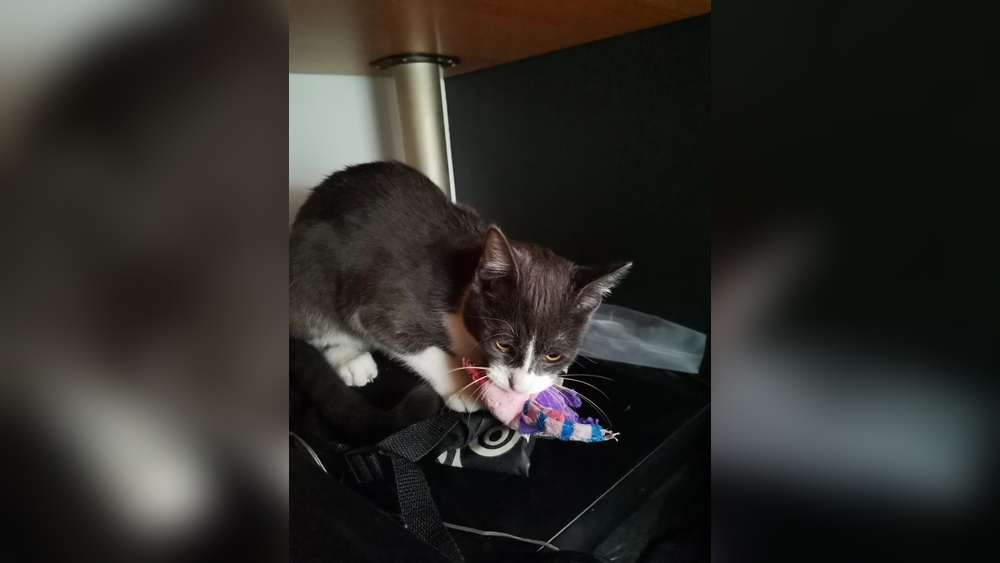
Have you ever watched your cat play with her toy and suddenly heard a low growl? It can be surprising, even a little confusing.
Why would your sweet pet make such a strange sound at something that’s supposed to be fun? Understanding this behavior can help you connect better with your furry friend and keep her happy. Keep reading, and you’ll discover the surprising reasons behind your cat’s growl and what it means for her playtime.

Credit: www.publicopiniononline.com
Cat Growling Basics
Cats use growling to show feelings and reactions. Understanding these sounds helps you read your cat better. Growling is a form of communication. It lets you know how your cat feels about something. This includes toys. Knowing the basics helps you respond the right way.
What Growling Means
Growling often means your cat feels uneasy. It can show fear or anger. Sometimes, it means your cat is playing roughly. The sound warns others to stay away. It is a natural way for cats to protect themselves. Growling is not always bad. It is a signal to watch your cat’s mood.
Common Triggers
Toys can trigger growling for many reasons. Your cat might feel the toy is a threat. Some cats get frustrated if the toy moves fast. Others may growl if they want to guard their toy. Loud noises near the toy also cause growling. Understanding these triggers helps you choose the right toys.

Credit: www.reddit.com
Toy-related Growling Reasons
Cats growl at their toys for several reasons linked to their natural behavior. Their reactions may seem strange but make sense in their world. Understanding these reasons helps you care better for your cat. Below are common toy-related growling reasons.
Territorial Behavior
Cats see toys as part of their territory. They growl to protect their space and possessions. This behavior stops others from taking their toy. It shows they value their toy highly.
Hunting Instincts
Toys often mimic prey like mice or birds. Growling is part of a cat’s hunting routine. It shows excitement and focus on catching the “prey.” The sound helps your cat stay alert and ready to pounce.
Toy As A Rival
Sometimes, cats view toys as rivals. They may growl to warn the toy to back off. This can happen if the toy moves or makes noise. Your cat treats the toy like a competitor.
Overstimulation
Playing too long can make cats overstimulated. Growling may signal they feel overwhelmed or annoyed. It’s their way to say “enough playtime.” Giving breaks helps calm your cat down.
Emotional Factors Behind Growling
Cats use growling to show their feelings. Emotional reasons often cause a cat to growl at her toy. Understanding these feelings helps you care for your pet better.
Growling is not just about anger. It can show stress, anxiety, or frustration. Toys sometimes trigger these feelings in cats.
Stress And Anxiety
Cats feel stress from changes in their environment. New noises, people, or places can cause worry. Toys might remind them of these changes.
Stress makes cats act differently. Growling at a toy can be a sign of anxiety. They may feel unsafe or unsure while playing.
Frustration And Boredom
Cats need mental and physical activity. A toy that does not move or react can cause boredom. This leads to frustration and growling.
Frustrated cats may growl to show their displeasure. They want more excitement or challenge in playtime. Offering new toys or play styles helps reduce this behavior.
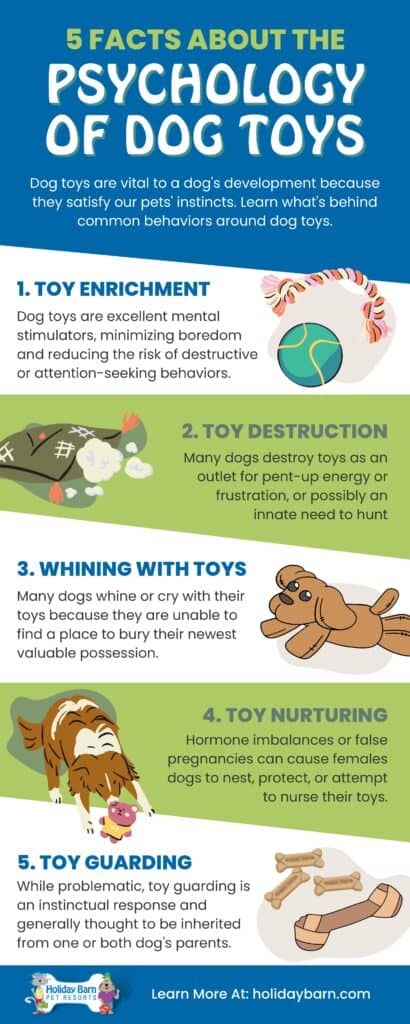
Credit: holidaybarn.com
How To Respond To Growling
When your cat growls at her toy, it shows strong feelings. This sound means she feels upset, scared, or overexcited. Knowing how to respond helps keep playtime fun and safe. It also builds trust between you and your pet. Watch your cat closely to learn what she needs during play.
Safe Play Tips
Use toys that keep your cat’s claws and teeth safe. Avoid small parts that can break or be swallowed. Stop play if your cat growls loudly or acts aggressive. Give her time to calm down before playing again. Always play gently and avoid rough moves.
Choosing The Right Toys
Pick toys that match your cat’s size and energy level. Soft toys, feathers, or balls are good options. Avoid noisy or flashing toys that might scare her. Change toys often to keep her interest high. Watch how she reacts to different toys to find favorites.
Reading Your Cat’s Signals
Notice your cat’s body language and sounds. Growling means she might feel threatened or annoyed. Look for signs like ears back, tail flicking, or stiff body. Respect her feelings and stop if she seems upset. This helps your cat feel safe and happy during play.
When To Consult A Vet
Understanding when to consult a vet about your cat’s growling at her toy is important. Sometimes, this behavior signals deeper issues. Watching your cat closely helps you decide if a vet visit is needed. Early action can improve your cat’s well-being and comfort.
Behavioral Concerns
Growling at toys may show stress or fear. Cats can feel threatened by certain objects. Sudden changes in environment can trigger this behavior. Persistent growling could mean your cat feels unsafe. A vet can help check for anxiety or aggression. They might suggest ways to reduce stress.
Health Issues Impacting Behavior
Health problems can cause unusual growling. Pain or discomfort may make your cat irritable. Dental pain or injury could affect how she reacts. Illnesses often change normal behavior patterns. A vet exam can find hidden health issues. Treating these can improve your cat’s mood and actions.
Frequently Asked Questions
Why Does My Cat Growl At Her Toy Suddenly?
Cats may growl at toys due to overstimulation or frustration. It shows their hunting instincts or territorial behavior. Growling can also mean your cat feels challenged or wants to play more aggressively.
Is Growling A Sign Of Aggression Towards Toys?
Growling is often playful, not aggressive. Cats mimic hunting sounds when interacting with toys. However, if growling is accompanied by hissing or swatting, it might indicate irritation or stress.
Can My Cat’s Growling Indicate Fear Of Her Toy?
Yes, growling can signal fear or uncertainty. If the toy moves unpredictably or makes loud noises, your cat may feel threatened. Observing body language helps determine if fear causes the growling.
How To Stop My Cat From Growling At Toys?
Provide calm play sessions and use gentle toys. Avoid overstimulation by limiting playtime length. Positive reinforcement and patience help your cat associate toys with fun, not stress.
Conclusion
Cats growl at toys for many reasons, like feeling playful or guarding. This behavior shows their natural instincts and emotions. Watch your cat carefully to understand what she wants. Giving her safe, fun toys helps reduce growling. Remember, every cat is unique and reacts differently.
Patience and care build a strong bond between you and your pet. Keep learning about your cat’s habits to make her happy. Enjoy the moments of play and connection. Your cat’s growl tells a story—listen closely.