
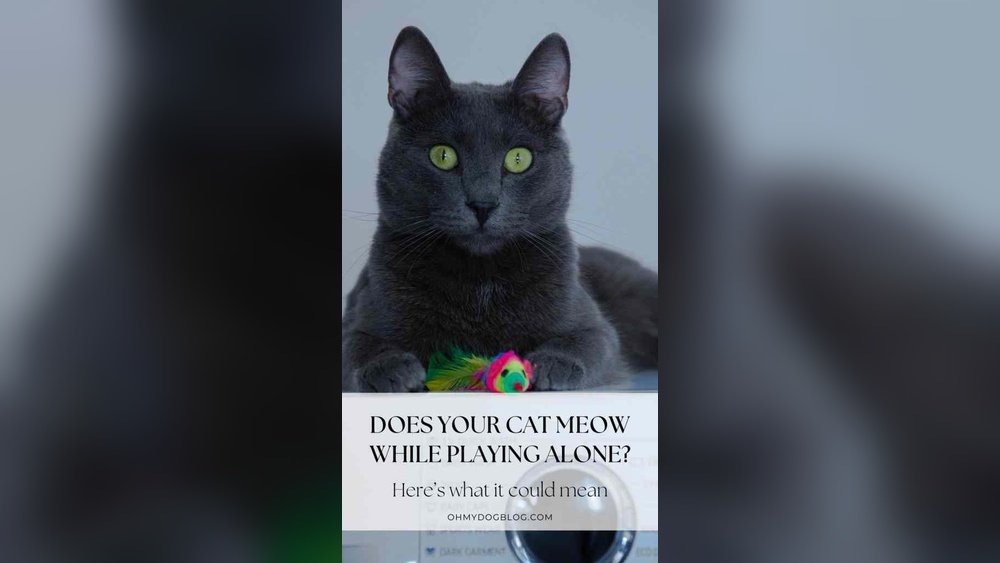
Have you ever noticed your cat suddenly howling at his toys and wondered why? It can be surprising, even a little puzzling, when your usually quiet pet starts making strange noises at something as simple as a toy.
But there’s more behind this behavior than meets the eye. Understanding why your cat howls at his toys can help you connect better with him and even improve his playtime experience. Keep reading to discover the surprising reasons behind this curious habit and what it means for your furry friend.
Cat Vocalizations Explained
Cats use sounds to talk with humans and other animals. Each sound has a meaning. Understanding these sounds helps you know what your cat feels or wants. Your cat’s howling at toys is part of this vocal language. Let’s explore the types of sounds cats make and what howling means.
Types Of Cat Sounds
Cats make many sounds. Meowing is common and often means they want attention. Purring shows they feel happy or calm. Hissing warns of fear or anger. Chirping or chattering happens when cats watch birds or toys. Howling is louder and different. It is rare but important to understand.
Meaning Behind Howling
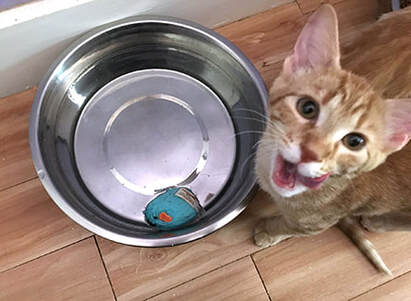
Howling can mean many things. Cats may howl to express loneliness or stress. Sometimes, it shows excitement or hunting behavior. When your cat howls at toys, it may feel like real prey. The sound is a mix of calling and excitement. This vocalization helps your cat feel more engaged and alive.

Credit: www.reddit.com
Cats And Their Toys
Cats often show strong interest in toys. Toys help cats stay active and happy. They also mimic hunting and play instincts. Watching your cat howl at toys may seem strange. Understanding their behavior helps you connect with your pet better.
Let’s explore how cats interact with their toys. This sheds light on why they might howl at them.
Role Of Toys In Cat Behavior
Toys play a key role in a cat’s daily life. They provide mental and physical exercise. Toys keep cats from getting bored or stressed. Hunting, chasing, and pouncing are natural cat behaviors. Toys allow cats to practice these skills safely indoors.
Playing with toys also builds confidence. It satisfies their need to stalk and catch prey. This reduces unwanted behaviors like scratching furniture or excessive meowing. Toys can create a positive outlet for energy and emotions.
How Cats Interact With Toys
Cats use different senses to interact with toys. They watch, paw, bite, and sometimes howl. Howling may be a way to express excitement or frustration. Cats may also vocalize to get your attention during playtime.
Each cat has a unique play style. Some prefer chasing moving toys. Others like batting small objects or pouncing on soft toys. Howling can be part of their natural hunting instinct. It mimics the sounds cats make in the wild while hunting.
Understanding these behaviors helps owners provide better play experiences. It also strengthens the bond between you and your cat.
Reasons Cats Howl At Toys
Cats often show strange behaviors that puzzle their owners. Howling at toys is one such odd habit. Understanding why cats howl at their toys helps improve their care. Cats express feelings and instincts through sounds. These howls can mean different things based on the situation.
Recognizing the reasons behind this behavior can deepen your bond with your cat. It also helps you respond better to their needs. Here are some common reasons cats howl at their toys.
Hunting Instinct Triggered
Cats are natural hunters. Toys that move or make noise remind them of prey. Howling mimics the sounds wild cats use during hunting. It helps cats focus and get excited. This behavior is a sign of their strong hunting drive. Your cat may howl to show interest or to ‘catch’ the toy.
Seeking Attention
Cats want attention from their owners. Howling at toys might be a way to get noticed. Your cat may want you to join playtime. They may feel lonely or bored. Howling signals a desire for interaction and fun. Responding can strengthen your relationship with your cat.
Expressing Frustration
Sometimes cats howl out of frustration. Toys that are hard to catch or unreachable cause stress. Howling is a way to vent this feeling. Your cat may feel trapped in play without success. This sound shows they need a break or a new toy.
Medical Issues To Consider
Howling can sometimes signal health problems. Pain or discomfort might cause unusual vocalizing. If howling is frequent or intense, consult a vet. Hearing loss or cognitive issues can also change vocal habits. Early check-ups help ensure your cat’s wellbeing.
Credit: www.thecatsmeowrescue.org
Behavioral Patterns Linked To Howling
Cats howl at their toys for many reasons tied to their behavior. These sounds can tell us a lot about their feelings and instincts. Understanding these patterns helps owners respond better. Cats use howling to express excitement, frustration, or even playfulness. Different factors like age, breed, and environment affect how often they howl.
Paying attention to these details helps improve your cat’s happiness. Each cat is unique, and their howling shows their personality. Let’s explore the main behavioral patterns linked to cat howling.
Age And Howling Frequency
Young cats often howl more during play. They are full of energy and curiosity. As cats get older, their howling may slow down. Senior cats might howl less due to lower activity levels. Sometimes, older cats howl more if they feel lonely or stressed. Age changes how cats use their voices during play.
Breed Tendencies
Some cat breeds are naturally more vocal. Siamese cats, for example, are known for loud howling. Other breeds like Maine Coons also enjoy vocal play. Quiet breeds may howl less or only in certain situations. Breed traits influence how often cats howl at toys. Understanding breed helps predict your cat’s behavior.
Environmental Factors
Environment plays a big role in a cat’s howling habits. Cats in busy homes may howl more to get attention. Quiet homes might lead to less howling during play. Stress or changes in surroundings can increase howling. Toys that mimic prey may trigger more vocal responses. A calm and safe space reduces stress and howling.
When To Consult A Veterinarian
Understanding when to seek veterinary help is key if your cat howls at toys. Sometimes, this behavior is normal play. Other times, it signals a problem. Watching your cat closely helps decide the next step.
Consulting a vet can catch health issues early. It also ensures your cat feels happy and safe. Knowing signs of distress and health concerns guides you well.
Identifying Distress Signals
Look for changes in how your cat acts around toys. Sudden loud howling or aggressive behavior can mean stress. Your cat may also hide or avoid playing.
Notice if your cat eats less or sleeps more than usual. These are signs of discomfort. Constant howling without clear cause needs attention from a vet.
Possible Health Concerns
Howling at toys may relate to pain or illness. Dental problems can cause discomfort during play. Ear infections might make sounds painful for your cat.
Neurological issues can also cause unusual vocalizations. Anxiety or cognitive decline are other health factors. A vet can check these conditions and suggest treatments.
Tips To Manage Howling Behavior
Howling at toys can be puzzling and sometimes loud. Managing this behavior helps keep your cat calm and happy. Try different methods to reduce howling and make playtime fun and peaceful.
Choosing The Right Toys
Select toys that match your cat’s natural hunting skills. Small, lightweight toys are easy to carry and bite. Toys that mimic prey, like mice or birds, grab their attention. Avoid noisy toys that might scare or annoy your cat. Soft and quiet toys encourage gentle play.
Interactive Play Strategies
Play together using wand toys or laser pointers. Move toys slowly to mimic real prey movements. Short, frequent play sessions keep your cat interested. Praise your cat when they play calmly. This teaches good behavior during playtime.
Creating A Stimulating Environment
Provide climbing trees, scratching posts, and hiding spots. Change the toys regularly to keep your cat curious. Use puzzle feeders to engage their mind during meals. A rich environment reduces boredom and howling. A happy cat is a quiet cat.
Credit: www.reddit.com
Frequently Asked Questions
Why Does My Cat Howl At His Toys?
Cats may howl at toys due to excitement or frustration. Howling mimics hunting behavior, showing their natural instincts. Toys trigger their prey drive, causing vocalizations as part of play or communication.
Is Howling Normal When Cats Play With Toys?
Yes, howling during play is normal. It reflects their hunting instincts and emotional response. Cats express excitement, frustration, or attention-seeking through howling while interacting with toys.
Can Howling Indicate My Cat Is Stressed By Toys?
Howling can indicate mild stress or overstimulation. If the howling is frequent or intense, watch for other signs of anxiety. Adjusting playtime or toy type might help reduce stress.
Does Howling Mean My Cat Wants Attention?
Often, howling is a way cats seek attention. They may want you to join the play or interact with them. Responding positively can strengthen your bond and reduce excessive howling.
Conclusion
Cats howl at toys to express excitement, frustration, or curiosity. This behavior shows their natural hunting instincts. Toys can trigger strong emotions, making cats vocalize. Understanding this helps strengthen your bond with your pet. Always watch your cat’s reactions and provide safe, fun toys.
Happy cats make happy homes. Keep their playtime lively and enjoyable.