
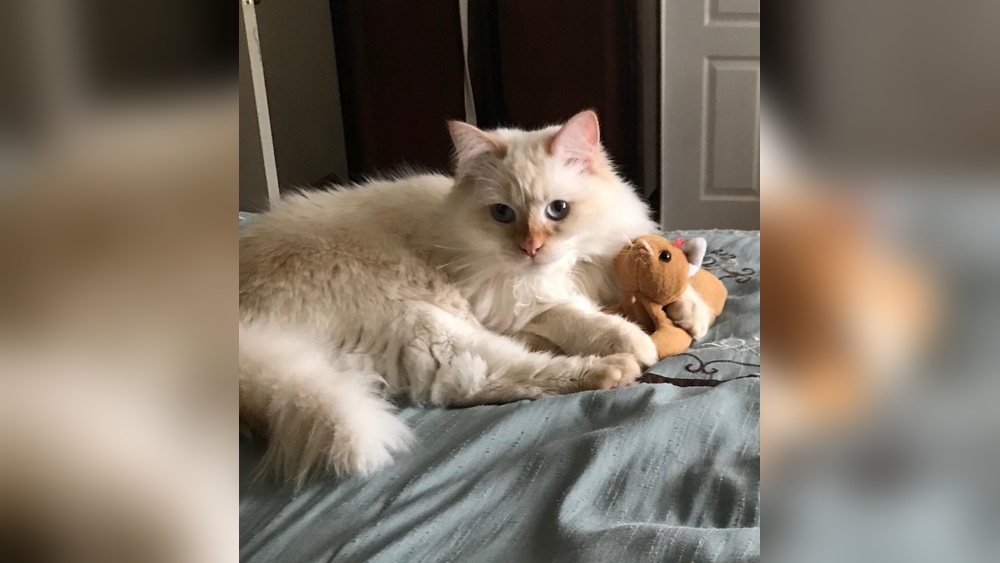
Have you ever caught your cat licking her toy and wondered why she does it? It might seem strange or even a little funny, but there’s more to this behavior than meets the eye.
Understanding why your cat licks her toy can help you connect with her better and keep her happy and healthy. You’ll discover the surprising reasons behind this curious habit and what it means for your furry friend. Keep reading—you’ll be amazed at what your cat’s toy-licking really says!
Credit: www.feliway.co.uk
Cat Behavior And Toy Interaction
Cats interact with their toys in many ways. Licking toys is a common behavior. It shows how cats connect with objects in their world. Understanding this helps us see why cats act this way.
Play is important for cats. It helps them stay active and sharp. Toys are more than fun; they are practice for hunting skills. Licking can be part of this natural behavior.
How Cats Play With Toys
Cats use paws, teeth, and mouths to explore toys. They often bat, chase, and pounce. Licking can happen before or after play. It may show comfort or ownership of the toy. Sometimes, cats lick to taste or smell the toy better.
Common Toy Preferences
Cats like toys that mimic prey, like small mice or feathers. Soft toys are popular because cats can bite and lick them. Toys with catnip attract cats and encourage licking and chewing. Different cats prefer different textures and shapes. Licking helps them feel and enjoy the toy more deeply.
Reasons Behind Licking Toys
Cats lick their toys for several interesting reasons. This behavior may seem odd, but it has clear meanings. Understanding why your cat licks her toy helps you learn more about her feelings and needs.
Exploring Scent And Taste
Cats use licking to explore new objects. Toys carry different smells that attract your cat. Licking lets her taste these scents and gather information. This helps her feel familiar with the toy.
Comfort And Security
Licking can calm cats and make them feel safe. Your cat might lick her toy like a security blanket. This action soothes her, especially when she feels stressed or alone. It brings comfort in quiet moments.
Instinctual Hunting Behavior
Licking mimics how cats handle prey in the wild. Cats catch, lick, and bite their food. Toys become stand-ins for prey during play. Licking is part of her natural hunting routine.
Emotional Connections To Toys
Cats form strong emotional connections with their toys. These toys become more than just playthings. They offer comfort and a way to express feelings. Licking a toy shows a cat’s bond with it. This behavior helps cats feel calm and secure. It also brings joy and familiarity into their world.
Stress Relief And Soothing
Licking a toy helps cats reduce stress. The action is gentle and repetitive. It works like a natural calm-down method. Cats use this to soothe their nerves. Soft toys often remind cats of their mother or siblings. This feeling of safety lowers anxiety and helps them relax. Stress relief is a big reason cats lick their toys.
Bonding With Owners Through Toys
Toys often carry a scent from their owners. Cats lick these toys to connect with their humans. This licking shows trust and affection. It is a way cats feel close to their owners. Sharing toys strengthens the bond between cat and owner. Licking helps cats feel loved and part of the family.

Credit: www.reddit.com
Health And Hygiene Factors
Cats often lick their toys for health and hygiene reasons. This behavior helps them check their environment and keep clean. Understanding these reasons can help you care better for your cat’s well-being. Here are some key health and hygiene factors behind this licking habit.
Checking For Allergies Or Irritations
Cats may lick toys to test for allergies or skin irritations. Their tongue helps detect unusual smells or residues on the toy. If the toy has dust, chemicals, or allergens, licking can cause discomfort. Watch for signs like redness or swelling on your cat’s mouth or paws. These signs may mean your cat is sensitive to something on the toy. Choosing safe, non-toxic toys reduces this risk.
Dental Health Implications
Licking toys can also relate to dental health. Cats use their tongue to clean their teeth and gums. Toys with different textures help remove plaque and massage gums. This action supports healthy teeth and fresh breath. Be alert if your cat licks toys too much or seems to have pain. It could indicate dental problems like gum disease or tooth decay. Regular vet check-ups keep your cat’s mouth healthy.
When Licking Becomes Excessive
Cats often lick their toys as a form of play or comfort. This behavior is usually harmless and natural. But licking can become excessive and cause concern. Excessive licking may signal stress, anxiety, or health problems. It can also damage the toy or irritate your cat’s skin. Understanding when licking goes too far helps keep your cat happy and healthy.
Signs Of Behavioral Issues
Excessive licking may show signs of behavioral problems. Your cat might lick the same toy for long periods. She may seem restless or unable to stop. Licking could replace normal activities like eating or sleeping. Watch for changes in mood or energy levels. These signs suggest your cat needs more attention or help.
When To Consult A Veterinarian
Seek veterinary advice if licking causes injury or pain. If your cat’s skin looks red or sore, act quickly. A vet can check for allergies, infections, or other health issues. Persistent licking might also hide anxiety or stress disorders. Professional guidance ensures your cat receives the right care and treatment.
Tips To Manage Toy Licking
Managing your cat’s toy licking can improve her playtime and health. It helps keep her toys clean and her mouth safe. Simple steps can guide you to manage this habit effectively. Focus on choosing the right toys and encouraging good play habits. These tips create a fun and safe environment for your cat.
Choosing The Right Toys
Select toys made from safe, non-toxic materials. Avoid toys with small parts that can break off. Soft fabrics or rubber toys work well for cats that lick. Choose toys that are easy to clean. This prevents germs from building up. Rotate toys often to keep your cat interested. Fresh toys reduce the chance of excessive licking.
Encouraging Healthy Play Habits
Spend time playing with your cat daily. Use interactive toys like feather wands or laser pointers. This keeps her active and distracted from licking. Praise her when she plays without licking. Offer treats or affection as rewards. Provide a variety of toys to satisfy different interests. This reduces boredom and licking behavior. Keep play sessions short but frequent to maintain her focus.

Credit: www.reddit.com
Frequently Asked Questions
Why Does My Cat Lick Her Toy Repeatedly?
Cats lick toys to explore textures and scents. It mimics grooming and hunting behaviors, helping them feel comforted and entertained.
Is Licking Toys A Sign Of Stress In Cats?
Sometimes, yes. Excessive licking can indicate anxiety or boredom. However, occasional licking is usually harmless and natural behavior.
Can Licking Toys Damage My Cat’s Teeth?
Generally, no. Soft toys are safe for licking. Hard or abrasive toys might cause dental wear if chewed aggressively.
Does Licking Toys Help My Cat Bond With Them?
Yes, licking helps cats familiarize and bond with their toys. It creates a sense of ownership and security.
Conclusion
Cats lick their toys for many simple reasons. It can show comfort, curiosity, or playfulness. Your cat may feel safe and happy with her toy. Sometimes, licking helps her explore new textures or smells. Watching this behavior helps you understand your cat better.
Keep giving her safe toys to enjoy. This small habit shows your cat’s unique personality. Pay attention and enjoy these little moments together.