
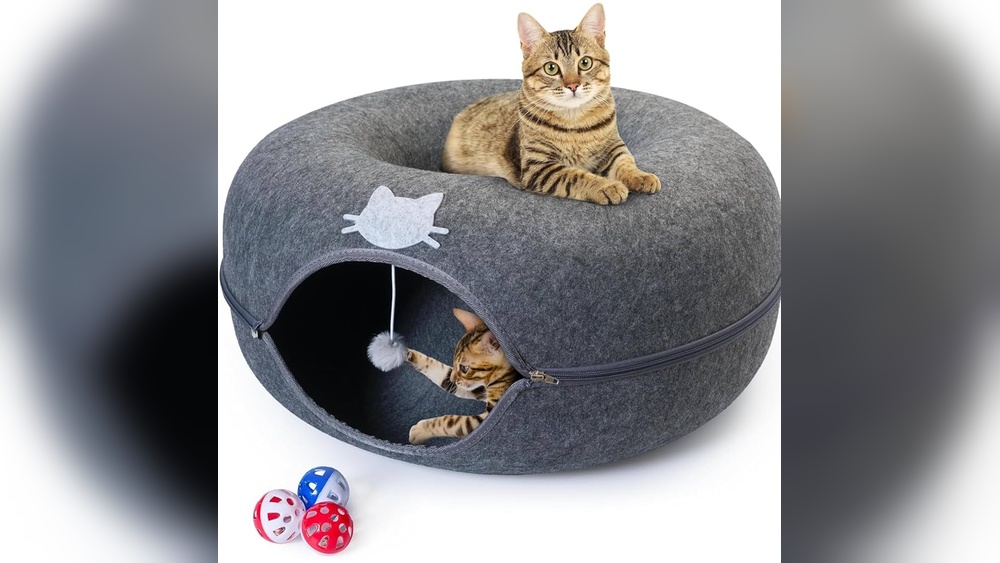
Have you ever noticed your cat meowing at his toy balls and wondered why? It’s a curious behavior that can leave you puzzled.
Your furry friend isn’t just making noise for no reason—there’s usually something behind those meows. Understanding why your cat talks to his toys can help you connect with him better and even improve his happiness. Keep reading to discover the surprising reasons behind this quirky habit and how you can respond to make playtime even more fun for your cat.
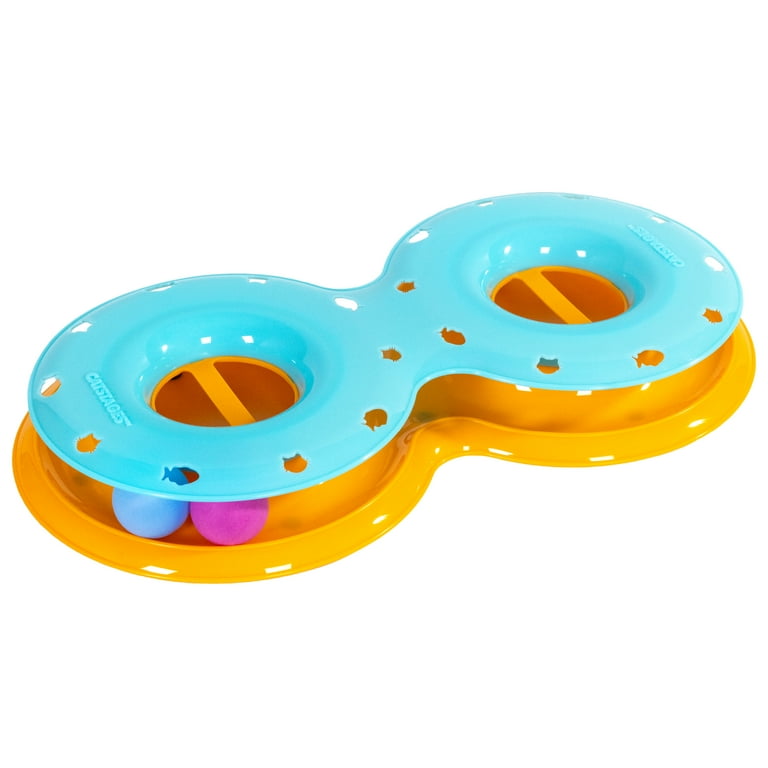
Credit: www.walmart.com
Cat Vocalization Basics
Cats use sounds to talk with people and other animals. Each sound shows how a cat feels or what it wants. Understanding these sounds helps you know your cat better. This knowledge is useful when your cat meows at toy balls or other objects.
Cat vocalizations can mean many things. Some sounds show happiness, while others warn of danger or ask for attention. Learning these basics makes your bond stronger.
Common Cat Sounds
Cats make many sounds. The most common is the meow. It is often used to ask for food or attention. Purring shows a cat is happy or relaxed. Hissing means the cat is scared or angry. Chirping or chattering usually happens when a cat sees birds or prey. Each sound has a special meaning.
Why Cats Meow
Cats meow mainly to talk with humans. They rarely meow to other cats. Meowing can ask for food, play, or comfort. Sometimes, a cat meows to say “hello” or get your attention. When a cat meows at toy balls, it might want to play or is curious about the toy. Meows help cats express their needs and feelings clearly.
Meowing At Toys
Cats often meow at their toy balls. This behavior can seem strange to many cat owners. Understanding why cats do this helps improve your bond with them. Meowing is a way cats communicate their feelings.
Toys, especially balls, catch a cat’s attention. When your cat meows at a toy, it sends a message. This message could be about their mood or needs. Let’s explore why cats meow at their toy balls.
Attracting Attention
Cats meow to get your focus. They want you to notice the toy ball. Sometimes, they want you to play with them. Meowing helps them ask for your involvement. This is their way of saying, “Look at this!”
Your cat may feel lonely or bored. Meowing at a toy is their call for company. They hope you will join their playtime. Responding to their meow strengthens your connection.
Expressing Frustration
Meowing can show frustration too. Your cat might want to catch the toy ball. If the ball moves away or is hard to catch, they get annoyed. Meowing expresses this feeling of annoyance or challenge.
Frustration meows can be short or loud. It tells you the cat is having trouble with the toy. Understanding this helps you adjust playtime. You can make the game easier or more fun for your cat.
Play And Communication
Cats use meowing as a way to talk. They often meow at their toy balls because these toys catch their attention. Playing with toys is a form of communication for cats. It helps them express their feelings and needs. Their meows during play show excitement or a call for interaction.
Play helps cats stay active and sharp. It also satisfies their natural urges. Understanding why cats meow at toys helps owners connect better with their pets.
Hunting Instincts
Cats have strong hunting instincts. Toy balls mimic small prey like mice or insects. When cats meow at these toys, they act like hunters. The meow can mean focus, excitement, or a challenge. It is part of their natural behavior to catch and control moving objects.
This instinct is very strong even in indoor cats. They use playtime to practice hunting skills. Their meows add to this role-playing. It shows they are alert and ready to “catch” their toy prey.
Interactive Play Behavior
Meowing during play is a way cats seek interaction. They want you to join the fun or notice their actions. It can be a call for attention or a way to invite you to play. Cats enjoy social play and use sounds to communicate.
Interactive play builds trust between cats and owners. Meowing at toys helps cats express joy or frustration. It guides you on how they feel about the play session. Responding to these sounds strengthens your bond.
Emotional Reasons
Cats use meowing to express their feelings. Sometimes, your cat meows at his toy balls for emotional reasons. These sounds show his mood or needs. Understanding these can help you care for your cat better.
Seeking Comfort
Your cat may meow at toy balls to find comfort. The toys remind him of company or playtime. Meowing is his way to feel safe and secure. It helps reduce stress or loneliness. Toys act like friends during quiet or lonely moments.
Dealing With Boredom
Meowing at toy balls can mean your cat feels bored. Cats need mental and physical activity. Toys offer a chance to explore and stay busy. Meowing calls attention to the need for play. It signals a desire for interaction and fun.
Health And Stress Factors
Cats often meow at their toy balls for reasons tied to health and stress. These sounds can be a way to express discomfort or anxiety. Understanding these factors helps you care better for your cat.
Pain Or Discomfort
Cats may meow when they feel pain or discomfort. If a toy ball causes an injury or irritates them, meowing alerts you. Sometimes, a ball with sharp edges or rough texture can hurt their paws. A sudden change in meowing behavior might mean your cat is hurting. Checking their body and paws helps find any problems early.
Anxiety And Stress Signals
Meowing can also show anxiety or stress in cats. Some cats talk to their toys to calm themselves down. Stress from new surroundings or loud noises may trigger this behavior. Toy balls become a focus point, helping them feel safer. Watching your cat’s environment and routine can reduce stress. Quiet and calm spaces often lower anxious meowing.

Credit: www.amazon.com
Encouraging Positive Play
Encouraging positive play helps your cat stay happy and healthy. Playtime is important for exercise and mental stimulation. It also strengthens the bond between you and your cat. Making playtime fun and safe keeps your cat interested in toys. This can reduce meowing at toy balls and other objects.
Choosing The Right Toys
Select toys that match your cat’s size and energy. Soft balls, feather wands, and small stuffed mice work well. Avoid toys with small parts your cat can swallow. Toys that move or make noise often catch your cat’s attention. Rotate toys to keep playtime fresh and exciting.
Engaging Your Cat
Spend time playing with your cat every day. Use toys to mimic prey movements, like quick darts and pauses. Encourage your cat to chase and pounce on the toy balls. Praise your cat softly to build confidence. Short, frequent play sessions keep your cat focused and happy.
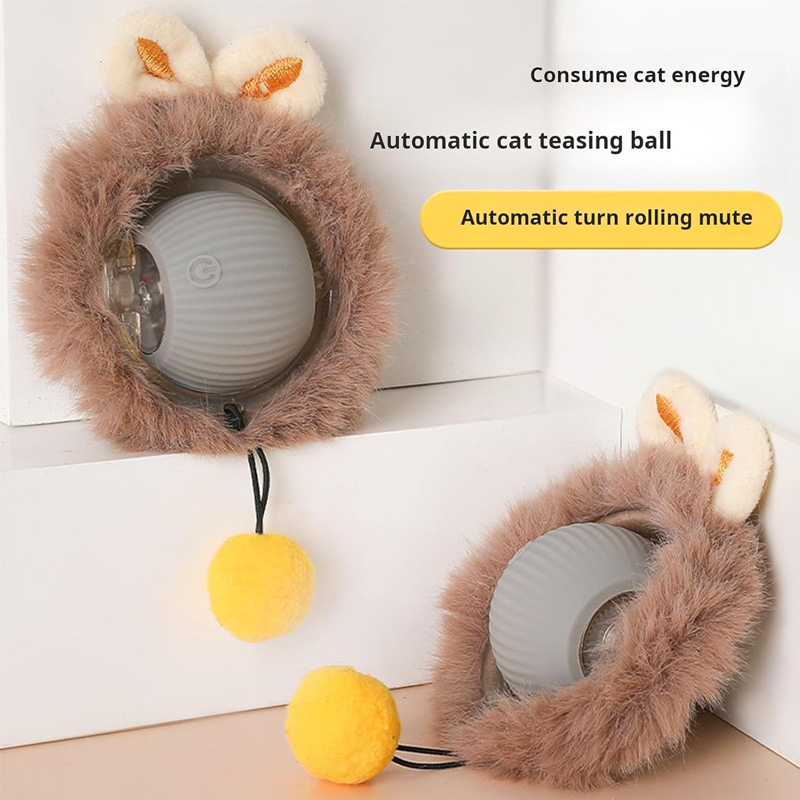
Credit: m-grill.com
Frequently Asked Questions
Why Does My Cat Meow At His Toy Balls?
Cats meow at toy balls to express excitement or seek attention. It’s their way of communicating during playtime. Meowing can also indicate curiosity or an invitation to interact with their favorite toys.
Can Meowing Mean My Cat Wants To Play More?
Yes, meowing often signals your cat wants to continue playing. It shows they are engaged and eager for more activity. Responding to their meows can strengthen your bond and encourage healthy exercise.
Is Meowing At Toys A Sign Of Stress Or Anxiety?
Usually, meowing at toys is not stress-related. It’s more likely playful communication. However, if meowing is excessive or frantic, monitor for other stress signs and consult a vet if needed.
Do Cats Meow Differently When Playing With Toys?
Cats may use varied meows during play, reflecting excitement or focus. These sounds differ from calls for food or attention, helping owners understand their cat’s mood and intentions.
Conclusion
Cats meow at their toy balls to express curiosity and excitement. This behavior shows their playful and social nature. Toys help cats stay active and happy every day. Watching your cat meow can deepen your bond. It’s a sign they want to engage and have fun.
Pay attention to these sounds and enjoy their company. Understanding your cat’s meows helps you meet their needs better. Keep providing toys to keep your cat joyful and healthy.