
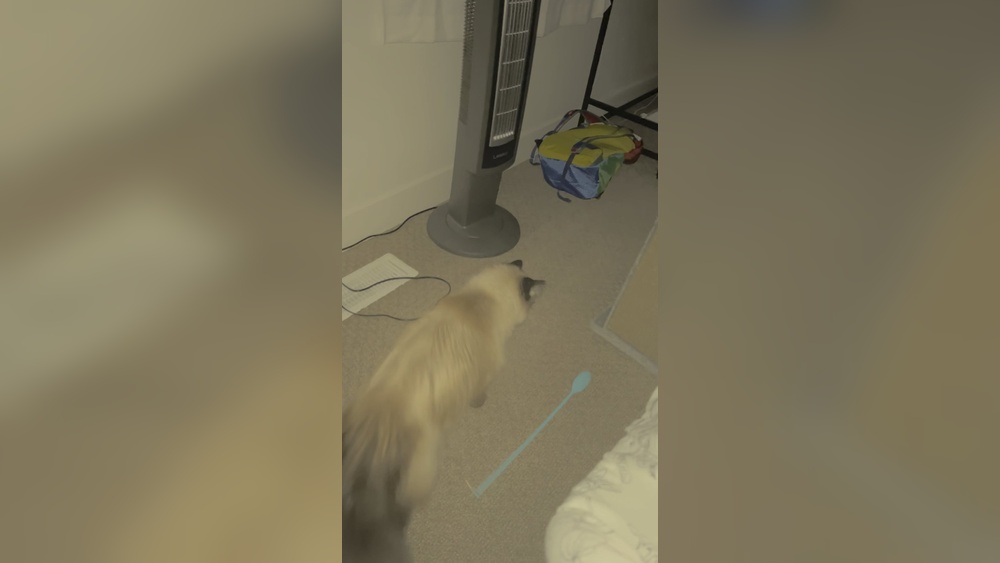
Have you ever noticed your cat meowing a lot while playing with a toy and wondered why? It can be surprising—and sometimes a little confusing—when your furry friend suddenly becomes so vocal during playtime.
You might ask yourself, is this normal? Is my cat trying to tell me something? Understanding why your cat meows so much with a toy can help you connect better with your pet and make playtime more enjoyable for both of you.
Keep reading, and you’ll discover the surprising reasons behind those meows and how you can respond to your cat’s unique way of communicating.

Credit: ohmydogblog.com
Cat Vocalizations Explained
Cats use sounds to share messages with people and other animals. Each sound has a different meaning. Understanding these sounds can help you know what your cat wants. Cats meow a lot, especially when playing with toys. This behavior is normal but can be curious to pet owners.
Listening to your cat’s vocal sounds can reveal their feelings. They may be happy, excited, or even asking for attention. Let’s explore the common sounds cats make and why they meow.
Common Cat Sounds
Cats produce many sounds, not just meowing. Purring often shows contentment and comfort. Hissing means they feel scared or threatened. Growling warns others to stay away.
Chirping and trilling sounds happen when cats feel playful or curious. Meowing is mostly for talking to humans. Each sound helps cats express their mood or needs.
Purpose Of Meowing
Meowing is a way cats communicate with people. Cats rarely meow at other cats. They use it to get attention or ask for something.
When playing with toys, cats may meow to show excitement. Sometimes, they want you to join in the fun. Other times, meowing means they want a break or more playtime.
Understanding your cat’s meows helps build a better bond. It shows you care about their feelings and needs.
Credit: www.reddit.com
Cats And Toy Interaction
Cats often meow a lot when they play with toys. This behavior shows their excitement and need for attention. Toys are more than fun objects for cats. They help cats stay active and happy. Understanding how cats interact with toys can explain why they meow so much.
Playing with toys helps cats express natural hunting skills. This interaction also strengthens the bond between cats and their owners. Cats use meowing to communicate during play. It can mean they want you to join or praise their efforts.
How Cats Play
Cats play by stalking, chasing, and pouncing on toys. These actions mimic hunting in the wild. Play helps cats use their energy in a positive way. It keeps their mind sharp and body strong. Meowing during play shows their focus and excitement. It is a way to share their feelings with you.
Types Of Toys Cats Prefer
Cats like toys that move or make noise. Feather wands and laser pointers are popular choices. Toys that mimic small animals attract cats the most. Soft balls and stuffed mice also get a cat’s attention. Cats enjoy toys they can catch and carry. Changing toys often keeps cats interested and playful.
Reasons For Meowing With Toys
Cats meow for many reasons when playing with toys. Their meows help express feelings and needs during playtime. Understanding these sounds can improve your play sessions and bond with your cat.
Seeking Attention
Your cat may meow to get your attention. They want you to join the fun or notice their play. This call can mean, “Look at me!” or “Play with me now.”
Meowing helps cats invite you to interact. It shows they enjoy your company and want more engagement.
Expressing Excitement
Excited cats often meow while chasing or batting toys. This sound shows their happiness and energy. It is a way to share their thrill with you.
These meows can be quick or loud, matching their playful mood. It is like cheering during a fun game.
Communication During Play
Meowing can also be a form of communication. Cats may signal their intentions or reactions to the toy. This helps them stay focused and alert.
Sometimes, meows warn or invite other pets nearby. It keeps the play safe and enjoyable for everyone.
Behavioral Factors
Cats meow a lot with toys due to their natural behavior. They use sounds to communicate feelings and needs. Understanding these behaviors helps explain why your cat is vocal during play. Some cats are simply more talkative than others.
Breed Tendencies
Different cat breeds have unique ways of communicating. Siamese cats are known for their loud, frequent meows. They often use their voice to get attention or express excitement. Other breeds may be quieter but still vocal during play. Your cat’s breed can influence how much it meows with a toy.
Age And Energy Levels
Young cats and kittens have lots of energy to burn. They often meow more while playing to show excitement or call for interaction. Older cats might meow less but still use sounds to express interest. Energy levels affect how much a cat vocalizes during playtime.
How To Respond To Meowing
Knowing how to respond to your cat’s meowing during play helps build a better bond. Cats use meows to talk and show feelings. Your reaction can guide your cat’s behavior and comfort.
Encouraging Positive Play
Reply to meows with gentle praise or soft petting. This shows your cat that quiet, happy play is good. Use toys that keep your cat busy and focused. Switch toys often to keep interest high. Play in short, fun sessions to avoid stress. Calm tones make your cat feel safe and loved.
Managing Excessive Vocalization
Ignore loud or constant meows during play. This teaches your cat that too much noise does not get attention. Stop playing briefly if the meowing is too much. Wait for quiet moments to start again. Offer treats or calm words when your cat is silent. Consistency helps your cat learn when meowing is okay.

Credit: www.reddit.com
When To Consult A Vet
Knowing when to see a vet is important if your cat meows a lot with a toy. Excessive meowing can sometimes signal health or emotional issues. Watch your cat’s behavior closely. Acting early helps keep your cat happy and healthy.
Signs Of Stress Or Discomfort
Look for changes in your cat’s actions. Restlessness, hiding, or loss of appetite can mean stress. Meowing loudly or often while playing may show discomfort. Your cat might also avoid the toy or seem tense. These signs suggest a visit to the vet is needed.
Health Issues Affecting Vocalization
Some health problems can cause more meowing. Pain, dental issues, or infections may make your cat vocal. Thyroid problems and respiratory infections also affect meowing. The vet can check for these conditions. Treating health issues often reduces excessive meowing.
Frequently Asked Questions
Why Does My Cat Meow More With Toys?
Cats meow more with toys to express excitement and engagement. They use vocalization to communicate their hunting instincts and invite play.
Is Meowing During Play Normal Cat Behavior?
Yes, meowing during play is normal. It shows your cat’s enthusiasm and mimics hunting calls to keep interaction lively.
How Can I Reduce Excessive Meowing With Toys?
Provide varied toys and interactive play sessions. Redirect your cat’s energy and reward quiet behavior to minimize constant meowing.
Does My Cat Meow To Get Attention While Playing?
Often, cats meow to get your attention during play. They seek interaction and want you to join their fun.
Conclusion
Cats meow a lot with toys to show excitement and ask for attention. Their sounds mean they want to play more or feel curious. Watching your cat’s meows can help you understand their mood better. Remember, each cat is unique, so their meowing can have different reasons.
Giving your cat time and gentle play will keep them happy. Enjoy these moments—they build trust and fun between you and your pet.