
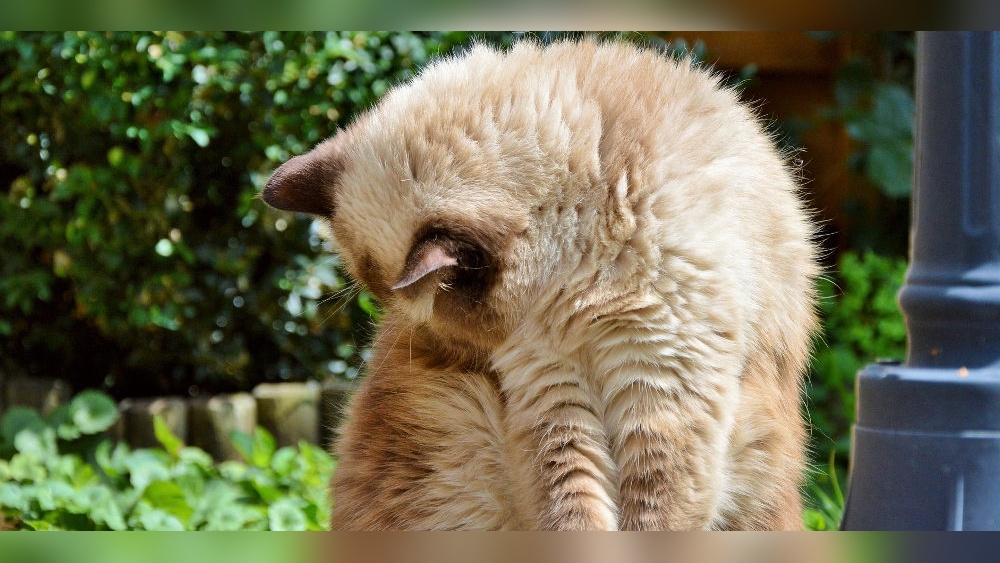
Have you noticed your cat isn’t cleaning itself like usual? When your furry friend stops grooming, it can be worrying and confusing.
Grooming is a natural habit for cats, and changes in this behavior often mean something is wrong. You might be asking yourself, “Why does my cat not groom itself? ” This article will help you understand the reasons behind this change and what you can do to help your beloved pet feel better again.
Keep reading to find out the key signs to watch for and how to support your cat’s health and happiness.

Credit: luckydawgsalongrooming.com
Common Reasons Cats Stop Grooming
Cats are usually very clean animals. Grooming is part of their daily routine. Sometimes, cats stop grooming themselves. This change can worry many cat owners. Understanding why cats stop grooming helps you care for them better.
Health Issues
Illness can make grooming hard for cats. Skin infections or allergies may cause discomfort. Cats with fleas might avoid grooming sore spots. Some illnesses reduce energy, making cats less active. Regular vet visits help spot health problems early.
Pain And Discomfort
Pain can stop a cat from grooming. Arthritis or injury makes movement painful. Cats avoid grooming areas that hurt. This can lead to dirty or matted fur. Watch for signs of limping or sensitivity to touch.
Stress And Anxiety
Stress affects a cat’s grooming habits. New environments or changes can cause anxiety. Cats may groom less or over-groom. Loud noises and new pets can create stress. Providing a calm space helps reduce anxiety.
Age-related Changes
Older cats groom less often. Less flexibility and energy make grooming hard. Dental problems can cause pain when grooming the face. Aging cats need more help to stay clean. Gentle brushing supports their grooming needs.
Identifying Grooming Problems
Cats usually keep themselves clean by grooming daily. Grooming helps them remove dirt, loose fur, and parasites. When a cat stops grooming, it may signal a health or emotional problem. Spotting grooming issues early can protect your cat’s well-being.
Careful observation helps identify grooming problems. Watch your cat closely for changes in their fur and behavior. These signs show whether your cat needs help or a vet visit.
Signs Of Poor Grooming
Look for matted or greasy fur on your cat’s body. Bald patches or excessive shedding can appear. Dirt or dandruff on the skin also means poor grooming. Your cat may have an unusual odor, too. These signs suggest your cat is not cleaning itself well.
Check your cat’s paws and face as well. Food or dirt stuck in these areas can signal grooming trouble. Your cat might scratch or lick the same spot repeatedly. These are clues to skin irritation or pain.
Behavioral Changes To Watch For
A cat that stops grooming may act differently. It might hide more or seem less active. Your cat could lose interest in playing or eating. Watch for signs of stress or anxiety. These feelings can stop a cat from grooming.
Notice if your cat avoids being touched. Pain or discomfort can cause this reaction. Changes in sleeping habits or vocal sounds can occur too. These behaviors often relate to grooming problems.
Medical Conditions Affecting Grooming
Cats usually groom themselves to stay clean and healthy. When a cat stops grooming, it often signals health problems. Medical issues can make grooming hard or painful. Understanding these conditions helps you care for your cat better.
Skin Infections And Parasites
Skin infections cause itching and discomfort. Cats with infections avoid grooming sore spots. Parasites like fleas and mites irritate the skin. This makes cats scratch instead of clean themselves. Untreated infections can spread and worsen quickly.
Dental Problems
Pain in the mouth stops cats from grooming. Tooth decay or gum disease makes cleaning painful. Cats may avoid licking their fur to reduce mouth pain. Poor dental health affects overall grooming habits and wellbeing.
Arthritis And Mobility Issues
Arthritis limits a cat’s movement and flexibility. Stiff joints make grooming difficult and tiring. Cats with mobility problems cannot reach certain body parts. This leads to unkempt fur and skin problems over time.
:strip_icc()/understanding-cat-grooming-553960_FINAL-c1db78344e2b4499b48b4302b52b0870.jpg)
Credit: www.thesprucepets.com
Environmental And Emotional Factors
Cats are sensitive to their surroundings and feelings. Changes around them can affect their grooming habits. Stress or discomfort may cause a cat to stop cleaning itself. Understanding these environmental and emotional factors helps identify why your cat may not groom properly.
Changes In Household
Moving to a new home can make a cat uneasy. New sounds, smells, and sights may stress your pet. Even rearranging furniture can confuse your cat. This stress often reduces grooming. Cats need time to adjust to changes. Patience and a calm space help them feel safe again.
New Pets Or Family Members
Introducing a new pet or person can upset your cat. They may feel threatened or ignored. This feeling can lower their grooming habits. Cats need to feel secure to groom well. Give your cat attention and space to adapt. This support helps them regain normal grooming.
Lack Of Stimulation
Boredom can cause a cat to stop grooming. Cats need play and mental activity daily. Without stimulation, they may feel anxious or sad. This state often reduces self-care behaviors. Providing toys and interaction keeps cats active. Active cats tend to groom regularly and stay healthy.
Solutions For Improving Grooming Habits
Helping a cat improve its grooming habits takes patience and care. Cats stop grooming for many reasons, such as health issues or stress. Finding the right solution can make a big difference in your cat’s well-being. The following sections explain effective ways to support your cat’s grooming routine.
Veterinary Care And Treatment
Start with a visit to the vet. A professional can find medical problems affecting grooming. Skin infections, parasites, or arthritis can stop a cat from cleaning itself. Early treatment helps your cat feel better and groom again. Regular check-ups keep your cat healthy and comfortable.
Pain Management Strategies
Pain can stop cats from grooming their fur. Joint pain or injuries cause discomfort during cleaning. Pain relief medicines can ease this problem. Talk to your vet about safe options. Gentle massage can also reduce muscle stiffness. Less pain means your cat can groom comfortably again.
Stress Reduction Techniques
Stress makes cats stop grooming. Loud noises, new pets, or changes at home cause anxiety. Create a calm space for your cat to relax. Use soft bedding and quiet areas. Play soothing music or use calming sprays. A peaceful environment encourages your cat to groom itself.
Regular Grooming Assistance
Help your cat by brushing its fur regularly. This keeps the coat clean and reduces mats. Use a soft brush and gentle strokes. Brushing builds trust and comfort for your cat. Bathing is rarely needed but can help if your cat is very dirty. Regular grooming keeps your cat happy and healthy.
Preventing Grooming Problems
Preventing grooming problems in cats is key to keeping them healthy and happy. Grooming helps cats stay clean and controls their body temperature. When grooming stops, it may signal health issues or stress. Taking steps early can avoid serious problems later.
Routine Health Checks
Regular vet visits help catch issues before they worsen. Cats hide pain well, so checkups are vital. Vets check skin, teeth, and claws for signs of trouble. Early treatment keeps grooming habits normal and your cat comfortable.
Creating A Comfortable Environment
Stress can stop cats from grooming. Quiet spaces help cats feel safe and calm. Provide cozy beds and quiet corners. Avoid loud noises and sudden changes. A relaxed cat grooms more often and stays cleaner.
Maintaining A Balanced Diet
Nutrition affects your cat’s skin and fur health. Feed high-quality food with essential vitamins and fats. Good nutrition supports shiny fur and healthy skin. Poor diet can lead to dry skin and less grooming.

Credit: www.wikihow.pet
Frequently Asked Questions
Why Is My Cat Suddenly Not Grooming Itself?
A sudden stop in grooming may signal illness or pain. Cats often hide discomfort. Check for injuries or infections. Consult a vet promptly for accurate diagnosis and treatment.
Can Stress Cause My Cat To Stop Grooming?
Yes, stress can disrupt a cat’s grooming habits. Changes in environment, loud noises, or new pets may trigger stress. Reducing stressors helps restore normal grooming behavior.
Does Aging Affect A Cat’s Grooming Habits?
Older cats may groom less due to arthritis or reduced flexibility. Pain and stiffness limit their ability to clean themselves. Regular vet checkups can manage these age-related issues.
Could Grooming Neglect Indicate Skin Problems?
Yes, skin infections or parasites often cause grooming avoidance. Cats may feel discomfort or itching. Prompt veterinary care is essential to treat skin conditions and restore grooming.
Conclusion
Cats stop grooming for many reasons, like illness or stress. Watch your cat closely for changes in behavior. A visit to the vet can find health issues early. Keep your cat’s environment calm and safe. Regular grooming helps your cat feel comfortable and clean.
Pay attention to your pet’s needs every day. Taking action quickly can improve your cat’s well-being. Your care makes a big difference in their happiness. Stay patient and gentle while helping your cat groom again.