
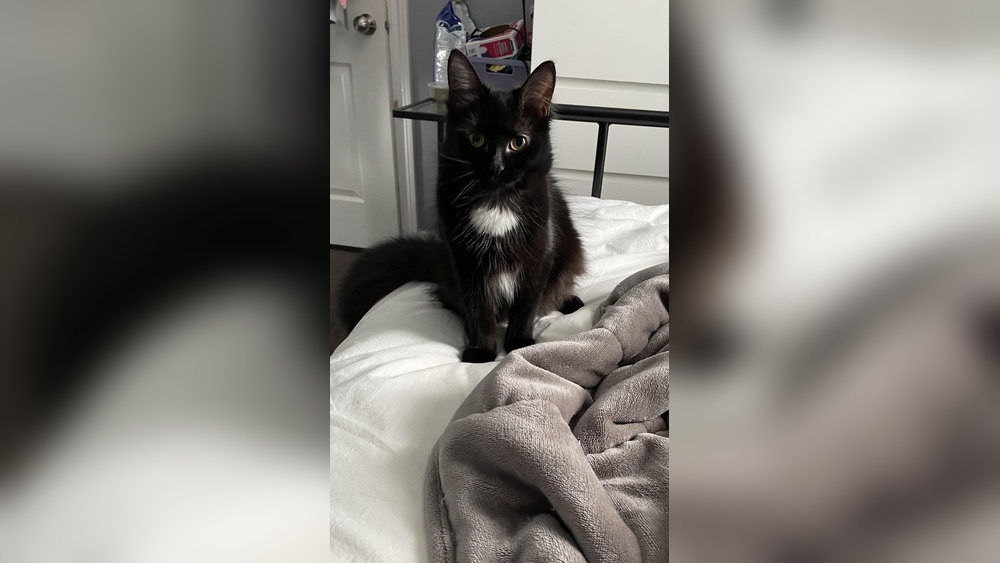
Have you ever found your cat peeing on her toys and wondered why this is happening? It can be frustrating and confusing when your furry friend treats her favorite playthings like a litter box.
You might be asking yourself, “Is something wrong with her? ” or “How can I stop this behavior? ” Understanding the reasons behind this unusual habit is the first step to solving the problem and keeping both you and your cat happy.
You’ll discover the common causes of why your cat pees on her toys and learn simple, effective ways to address it. Keep reading—you’ll be glad you did.
Cat Behavior Basics
Cats have unique ways to show their feelings and mark their space. Understanding their behavior helps explain why your cat might pee on her toys. Cats use many signals to communicate, including scent and body language. These basics give clues about their actions.
Knowing common cat habits helps you see why certain behaviors happen. Cats mark places for safety and comfort. They want to feel secure in their environment. Toys can become part of their safe space.
Common Cat Marking Habits
Cats mark areas with urine to claim territory. This is normal behavior for many cats. Marking shows other animals this space belongs to them. Cats also scratch surfaces to leave visual and scent marks. These habits help cats feel confident and safe.
Some cats mark more when stressed or feeling threatened. Changes in their environment can trigger marking. Toys may become targets because they carry the cat’s scent. Peeing on toys can be a way to reinforce their ownership.
How Cats Use Scent
Cats use scent to communicate with other cats and people. Their nose is very sensitive to smells. Scent marks tell others about their presence and mood. Cats have scent glands on their face, paws, and tail too.
Urine carries strong scent signals. When a cat pees on toys, it spreads their unique smell. This makes the toys part of their territory. Scent helps cats feel calm and secure in their space.

Credit: www.amazon.com
Reasons For Peeing On Toys
Cats peeing on their toys can feel confusing and frustrating. Understanding the reasons behind this behavior helps you manage it better. Cats use peeing as a way to communicate. They express feelings, mark spaces, and react to health problems this way.
Knowing why your cat pees on toys reveals what she needs. It could be about feeling safe, nervous, or unwell. Each reason has a different solution. Let’s explore the main causes.
Territorial Claims
Cats mark their territory by peeing. Toys carry their scent. Peeing on toys helps your cat protect her space. This is common in homes with multiple cats. The behavior tells others, “This is mine.”
Stress And Anxiety Triggers
Stress can cause unusual actions. New people, loud noises, or changes in routine upset cats. Peeing on toys may calm anxiety. It acts like a signal of discomfort. Recognizing stress signs helps your cat feel safe again.
Medical Issues To Consider
Health problems often cause inappropriate peeing. Urinary tract infections and bladder issues are common causes. Pain makes cats avoid litter boxes. Consulting a vet ensures your cat gets proper treatment. Early care prevents bigger problems.
Attention-seeking Actions
Sometimes cats pee to get noticed. If they feel ignored, they act out. Peeing on toys draws your attention. This behavior shows they want more care or playtime. Giving extra love may stop this habit.
Environmental Factors
Environmental factors play a big role in why a cat pees on her toys. Cats are sensitive to changes around them. Small issues can cause stress, leading to odd behaviors like peeing outside the litter box. Understanding these factors helps you solve the problem and keep your cat happy.
Litter Box Problems
Cats avoid dirty or smelly litter boxes. A dirty box can make your cat choose toys as a bathroom. The box might be too small or in a noisy place. Some cats dislike certain types of litter. Cleaning the box daily and placing it in a quiet spot helps.
Changes In Household
New people or loud noises can scare your cat. Moving furniture or changing the room’s layout can also upset her. Even small changes cause stress. This stress may make your cat mark her toys with urine. Keeping a calm space helps your cat feel safe.
Other Pets Influence
Introducing a new pet changes the home’s energy. Cats feel threatened by unfamiliar animals. They use urine to mark their toys and claim territory. This behavior shows they want to feel secure. Giving your cat her own space can reduce this marking.
Preventing The Behavior
Stopping a cat from peeing on her toys takes patience and care. Cats often use urine to mark territory or express discomfort. Changing their environment and habits helps reduce this behavior. Focus on the cat’s comfort and cleanliness to prevent accidents.
Improving Litter Box Setup
Place the litter box in a quiet, easy-to-reach spot. Avoid noisy or busy areas. Use unscented, clumping litter to attract your cat. Clean the box daily to keep it fresh. Provide one box per cat, plus one extra. This gives your cat options and reduces stress.
Reducing Stress For Your Cat
Create a calm space for your cat to relax. Play with her gently and often. Offer hiding places like boxes or cat trees. Keep a regular feeding and play schedule. Avoid sudden changes in the home or loud noises. Stress can cause unwanted urination, so keep things peaceful.
Cleaning And Removing Odors
Clean any urine spots quickly to stop repeat marking. Use enzyme-based cleaners to break down urine smells. Avoid ammonia cleaners, which can attract cats to pee again. Wash toys and bedding regularly to keep them odor-free. A clean home helps your cat feel safe and less likely to mark.
When To See A Vet
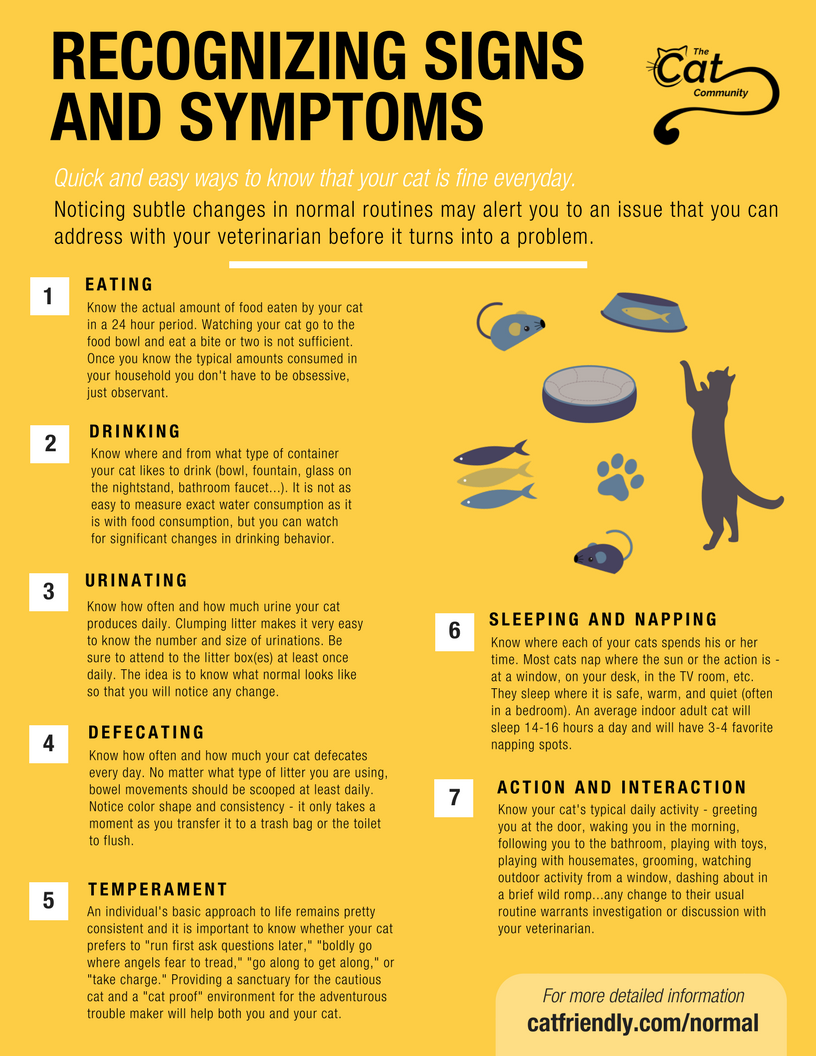
Noticing your cat peeing on her toys can be frustrating. It might signal a health problem that needs attention. Knowing when to see a vet can save your cat from pain and discomfort. Early vet visits help catch issues before they get worse.
Symptoms Of Urinary Issues
Watch for signs like frequent trips to the litter box with little urine. Straining or crying while peeing shows discomfort. Blood in the urine is a serious sign. Your cat may lick her private area more than usual. A strong smell or cloudy urine also means trouble. These symptoms need quick vet care.
Behavioral Consultation Options
Sometimes peeing on toys is due to stress or anxiety. A vet can suggest a behavioral expert. These specialists help understand your cat’s habits and fears. They provide training and advice to stop unwanted peeing. Combining medical and behavioral help works best.

Credit: www.amazon.com
Credit: catfriendly.com
Frequently Asked Questions
Why Does My Cat Pee On Her Toys Specifically?
Cats may pee on toys to mark territory or express stress. Toys carry their scent, making them targets for marking. Medical issues like urinary tract infections can also cause this behavior.
Can Stress Cause My Cat To Pee On Toys?
Yes, stress often leads cats to pee on toys. Changes in environment, new pets, or loud noises can trigger anxiety. Marking toys helps cats feel more secure and in control.
How Can I Stop My Cat From Peeing On Toys?
Clean toys regularly and remove urine scents completely. Provide multiple litter boxes and reduce stress factors. Consult a vet to rule out medical problems causing this behavior.
Is Peeing On Toys A Sign Of Illness In Cats?
It can be. Urinary tract infections or bladder issues often cause inappropriate urination. Always consult a vet if your cat’s behavior suddenly changes or worsens.
Conclusion
Cats pee on toys for many reasons like marking territory or stress. Cleaning the toys and giving your cat attention helps reduce this behavior. Make sure your cat feels safe and has a clean litter box. Watch for changes in behavior or health problems.
Understanding your cat’s needs can improve her comfort and happiness. Keep patience and try different solutions to find what works best. Your cat will feel better, and your home will stay clean. Small steps make a big difference.