
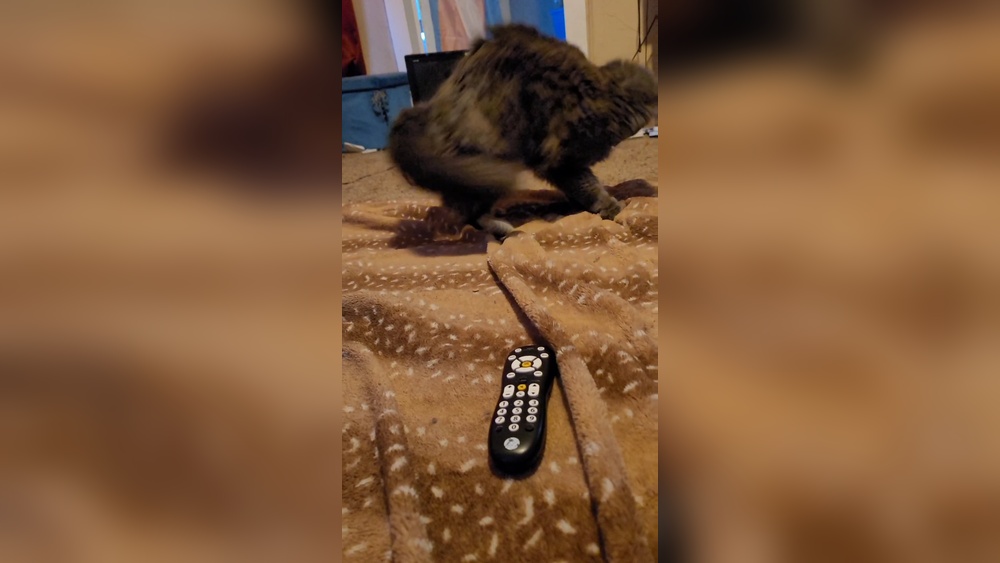
Have you ever watched your cat suddenly stomp on a toy and wondered, “Why does my cat stomp on toys?” It’s a curious behavior that can leave you puzzled. Understanding why your furry friend does this can help you connect better with them and even improve their playtime.
Keep reading to discover the surprising reasons behind this quirky habit and what it means for your cat’s happiness.
Credit: www.vtechkids.com
Cat Stomping Behavior
Cats show many unique behaviors. One common action is stomping on toys. This behavior can seem strange but has clear reasons. Understanding cat stomping helps you know your pet better.
Stomping is part of how cats play and explore. It helps them practice hunting skills. Cats use their paws to feel and control objects. Stomping on toys is a way to engage with their environment.
What Stomping Looks Like
Cat stomping looks like quick, heavy paw hits on toys. The cat uses one or both front paws. Sometimes, they tap softly or pound strongly. This action may be repeated many times in a row.
The cat’s body often moves forward slightly. Eyes focus on the toy. Tail may twitch or flick. Stomping may include grabbing or biting after hitting.
Common Stomping Patterns
Cats often stomp in short bursts. They hit the toy quickly several times. Then pause, watch, and stomp again. This pattern repeats until the cat loses interest.
Some cats stomp slowly and gently. Others stomp fast and hard. The difference depends on the cat’s mood and energy. Younger cats tend to stomp more actively.
Stomping often happens during play sessions. It can also appear when cats feel curious or excited. This pattern helps cats improve coordination and hunting skills.

Credit: www.amazon.com
Hunting Instincts
Cats have strong hunting instincts. These instincts drive many behaviors, including how they play with toys. Stomping on toys is part of these natural urges. It shows their need to hunt and catch prey, even inside the home.
Simulating Prey Capture
Stomping on toys mimics how cats catch real prey. Cats use their paws to trap animals like mice or birds. They hold the prey down before biting. Toys become practice prey for your cat. This action helps them feel in control and successful.
Practice For Real Hunts
Indoor cats still need to practice hunting skills. Stomping on toys helps keep these skills sharp. It prepares their muscles and reflexes for actual hunting. Even well-fed cats keep this behavior. It is a natural way to stay ready and alert.
Play And Exercise
Cats love to play. Stomping on toys is part of their play and exercise routine. This behavior helps them stay healthy and happy. Playtime mimics hunting and keeps their body and mind active. Understanding why cats stomp on toys reveals their natural instincts and needs.
Burning Off Energy
Cats have a lot of energy to burn. Stomping on toys helps them release this energy safely. It stops them from becoming bored or restless. Active play prevents unwanted behavior like scratching furniture. This physical activity is important for their health.
Mental Stimulation
Play challenges a cat’s brain. Stomping on toys simulates hunting skills. It keeps their mind sharp and focused. Mental exercise reduces stress and anxiety in cats. Engaging their brain this way makes playtime more rewarding.

Credit: www.ebay.com
Territorial Marking
Cats use many ways to show their territory. Stomping on toys is one way. This behavior helps cats feel safe and in control of their space. It shows other pets that these toys belong to them. This is a quiet way to mark what is theirs without fighting or loud noises.
Leaving Scent Marks
Cats have special glands in their paws. When they stomp on toys, they leave a scent. This scent is like a secret message to other cats. It says, “This is mine.” Other cats can smell this and know to stay away. This scent marking helps cats avoid conflicts and keep peace.
Claiming Favorite Toys
Stomping also helps cats claim toys they like most. It tells other pets, “I want this toy.” Cats may stomp more on toys they use often. This makes the toy special and keeps it safe. It also helps cats feel happy and secure with their favorite things.
Stress And Anxiety Signals
Cats often show their feelings through body language and actions. Stomping on toys is one way they express stress or anxiety. This behavior helps them manage their emotions in a safe space. Understanding these signals helps you care for your cat better.
Signs Of Discomfort
Your cat may stomp on toys when feeling uneasy. Other signs include hiding, trembling, or avoiding contact. Watch for changes in eating or grooming habits. Sudden loud noises or new people can cause stress. Recognizing these signs early can prevent bigger problems.
How Stomping Helps
Stomping releases nervous energy and calms your cat. It mimics hunting, giving your cat control over its environment. This action can also distract your cat from stress sources. Stomping on toys creates a safe outlet for anxious feelings. It helps your cat feel more secure and relaxed.
Age And Personality Factors
Age and personality play big roles in why cats stomp on toys. Different cats act in unique ways based on their stage of life and their individual traits. Understanding these factors helps explain this playful behavior.
Kittens Vs. Adult Cats
Kittens stomp on toys as part of learning and exploring. Their muscles are still growing, so they use toys to practice hunting skills. Stomping helps them build strength and coordination.
Adult cats stomp on toys too, but usually with more control. They know how to catch and handle prey better. Stomping can be a sign of excitement or a way to test the toy’s movement.
Individual Differences
Each cat has its own personality that affects how it plays. Some cats are very active and stomp frequently. Others prefer gentle play and rarely stomp.
Some cats stomp to show dominance or to claim the toy. Others do it just for fun or to get attention. These unique behaviors make each cat special.
How To Respond To Stomping
Knowing how to respond to your cat’s stomping helps build a stronger bond. It also teaches your cat what behavior is okay. Cats often stomp to show excitement or to practice hunting skills. Responding calmly guides your cat toward better play habits. Here are some ways to handle stomping in a positive way.
Encouraging Healthy Play
Offer toys that move or make noise to catch your cat’s attention. Use wand toys or balls to keep your cat active. Praise your cat when it plays gently with toys. This makes playtime fun and rewarding. Regular play sessions help your cat burn energy and reduce stomping.
Redirecting Unwanted Behavior
When your cat stomps too hard, gently stop the play. Use a soft voice to calm your cat down. Give your cat a different toy to focus on. Avoid yelling or punishment; it can scare your cat. Consistent redirection teaches your cat the right way to play.
Frequently Asked Questions
Why Does My Cat Stomp On Toys Frequently?
Cats stomp on toys to mimic hunting instincts. This behavior helps them practice capturing and subduing prey. It’s a natural way to express playfulness and satisfy their predatory urges. Stomping also provides mental stimulation and physical exercise, keeping your cat engaged and happy.
Is Toy Stomping A Sign Of Aggression In Cats?
Toy stomping is usually not aggressive. It’s part of playful hunting behavior. Cats use it to practice skills, not to show anger. However, if your cat shows other aggressive signs, consult a vet for advice. Generally, stomping is harmless and normal.
How Can I Encourage Positive Play With Cat Toys?
Use interactive toys that mimic prey movements. Rotate toys regularly to maintain interest. Praise your cat during play to reinforce good behavior. Avoid using hands as toys to prevent biting. Providing variety helps your cat stay active and mentally sharp.
Can Toy Stomping Indicate Stress Or Anxiety In Cats?
Toy stomping typically reflects play, not stress. However, excessive or obsessive behavior might signal anxiety. Monitor your cat’s overall behavior and environment. If you notice changes, consult a veterinarian for proper assessment and support.
Conclusion
Cats stomp on toys to play, practice hunting, and express energy. This behavior helps them stay active and sharp. Understanding why cats stomp can improve your bond with them. Offer safe toys to keep your cat happy and busy. Watch closely to learn what your cat enjoys most.
Enjoy these playful moments—they show your cat feels safe and content. Keep toys fresh and fun to maintain your cat’s interest. Stomping is natural, so appreciate this quirky cat habit.