
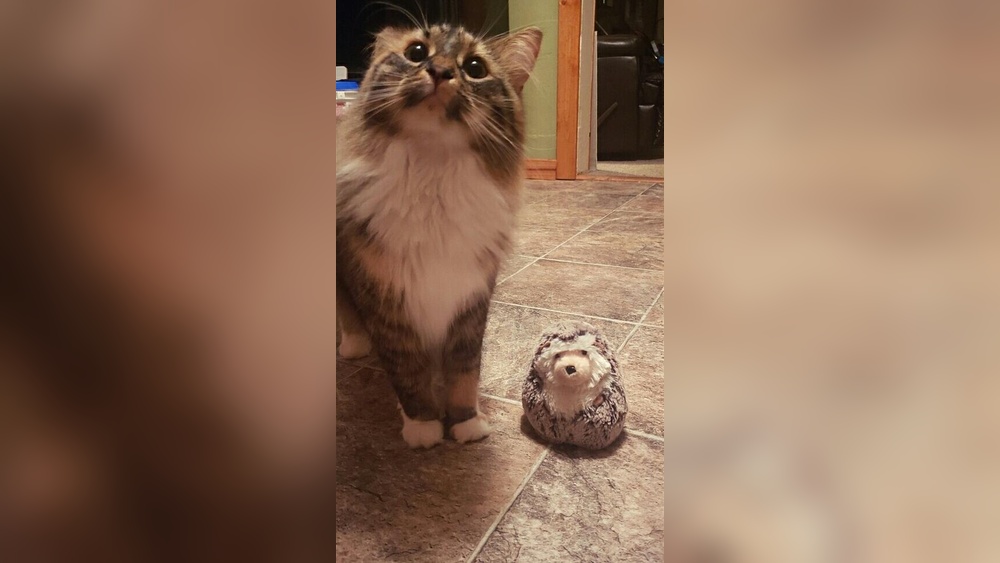
Have you ever caught your cat chatting away to her toys and wondered why? It’s a curious sight that makes you smile, but it also sparks questions.
Why does your cat talk to her toys? Is she lonely, playful, or trying to tell you something? Understanding this behavior can bring you closer to your furry friend and reveal surprising insights about her world. Keep reading to discover the real reasons behind your cat’s toy conversations—and what they mean for your bond.
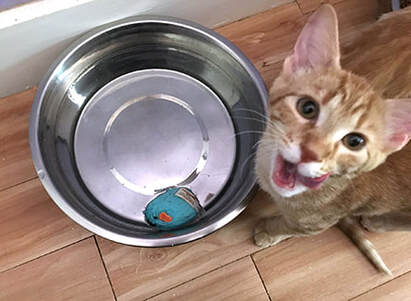
Credit: www.thecatsmeowrescue.org
Cat Communication Basics
Cats use many ways to communicate. Their body, eyes, and voice all send messages. Understanding their sounds helps us know what they feel. Cats “talk” to toys as if they were real. This is part of their natural behavior.
Let’s explore how cats use sounds to share their thoughts. Recognizing these sounds makes pet care easier and more fun.
How Cats Use Vocalizations
Cats use vocal sounds to express needs and emotions. Meowing is common, often aimed at humans. It can mean hunger, attention, or greeting. Purring shows contentment or sometimes pain. Hissing warns of fear or anger. Chirps and trills attract attention or show excitement.
Each sound has a purpose in cat communication. Talking to toys may mimic hunting or play behavior. Cats practice skills through these vocalizations.
Common Sounds Cats Make
Meow: Cats meow mostly to communicate with people. The pitch and length tell different things.
Purr: A soft, continuous sound showing comfort or healing.
Hiss: A sharp sound to warn others to back off.
Chirp and trill: Short, high-pitched sounds that show excitement or curiosity.
Growl: A low, threatening sound used in defense or warning.
Toys As Playmates
Cats often treat their toys like real friends. These toys become their playmates, keeping them busy and happy. Talking to toys shows how much cats enjoy their company. This behavior helps cats stay active and sharp. Toys provide a safe way to practice natural instincts. They also offer comfort and fun during alone time.
Simulating Hunting Behavior
Cats are natural hunters. Toys act like prey for cats to chase and catch. Talking to toys mimics sounds they make during a hunt. This play helps cats practice skills needed in the wild. It also keeps their mind alert and body fit. Hunting play is important even for indoor cats.
Role Of Imagination In Play
Cats use their imagination while playing with toys. They might see a toy as a mouse or bird. Talking to toys shows they believe in this pretend play. Imagination makes playtime more fun and engaging. It helps cats learn and explore their world safely. This mental exercise boosts their happiness and wellbeing.
Emotional Connections
Cats often form strong emotional connections with their toys. These toys become more than just objects to them. Talking to their toys is one way cats show feelings and bond. This behavior helps cats feel close and safe. It also lets them express love in their own unique way.
Comfort And Security
Toys provide a sense of comfort for cats. They can feel alone or anxious at times. Talking to a toy can calm them down. The toy acts like a friend or family member. This helps cats relax and feel secure in their space. It is a simple way to ease stress and fear.
Expressing Affection
When cats talk to their toys, they show affection. It is like how they talk to other cats or humans. This behavior shows they care and trust the toy. Cats may purr, meow, or nuzzle the toy. These actions express their love and attachment clearly.
Attention-seeking Behavior
Cats often talk to their toys to get your attention. This behavior shows they want to interact with you. Your cat may feel lonely or bored and seeks your notice. Talking to toys can be a way to say, “Look at me!”
Getting Your Notice
Your cat uses sounds to catch your eye. Meowing or chirping at toys is part of this. It tries to make you focus on what it is doing. Your cat wants you to join in or watch its play. This helps your cat feel connected and less alone.
Interaction Encouragement
Talking to toys invites you to play or pet. Your cat hopes you will respond with attention. It may want to start a game or share the fun. Your response encourages your cat to keep interacting. This makes your bond stronger and happier.
Mimicking Social Interaction
Cats often talk to their toys to copy how they talk to other cats. This behavior shows their natural need to interact. It helps them feel connected even when no other cats are around. Talking to toys is a way to practice social skills.
Practicing Communication Skills
Cats use sounds and movements to talk with each other. When a cat talks to a toy, she is practicing these skills. This helps her learn how to express herself. She may try different meows, purrs, or chirps. This practice prepares her for real conversations with other cats.
Building Social Bonds
Talking to toys also helps cats build social bonds. Cats are social animals and need connections. By interacting with toys, they feel less lonely. This mimics the feeling of being close to another cat. It supports their emotional health and reduces stress.
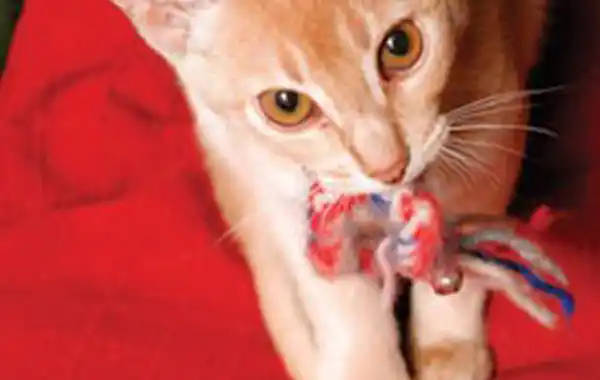
Credit: www.yourcat.co.uk
Stress And Anxiety Signals
Cats use many ways to show how they feel. Talking to their toys can be a sign of stress or anxiety. This behavior helps them deal with feelings that are hard to express. Understanding these signals can help you support your cat better.
Stress and anxiety can make cats feel unsafe or uneasy. They might use their toys as a way to find comfort. This is a natural response to emotional challenges.
Self-soothing Techniques
Cats often talk to toys to calm themselves down. The sounds and movements give them a sense of control. This action can reduce feelings of fear or nervousness.
Playing or chatting with toys helps cats focus on something positive. It acts like a small break from stress. This simple act can improve their mood and ease tension.
Signs Of Emotional Distress
Besides talking to toys, cats may show other signs of stress. They might hide more or lose interest in food. Sudden changes in behavior often mean they are upset.
Vocalizing to toys can be one of the first signs of trouble. Watch for repeated talking or unusual sounds. These clues help you notice emotional distress early.
How To Respond To Your Cat
Knowing how to respond to your cat talking to her toys helps build a stronger bond. Cats use sounds and movements to express feelings. Your reaction can guide their behavior and mood.
Encouraging Positive Play
Join your cat during her playtime with toys. Speak softly and praise her when she makes sounds. Use toys that move or make noise to keep her interested. This supports healthy play and reduces boredom. Positive play makes your cat feel safe and happy.
When To Consult A Vet
Notice if your cat talks to toys too much or seems stressed. Strange or loud vocal sounds might mean pain or illness. Sudden changes in behavior are warning signs. A vet can check if health issues cause this behavior. Early help keeps your cat healthy and calm.
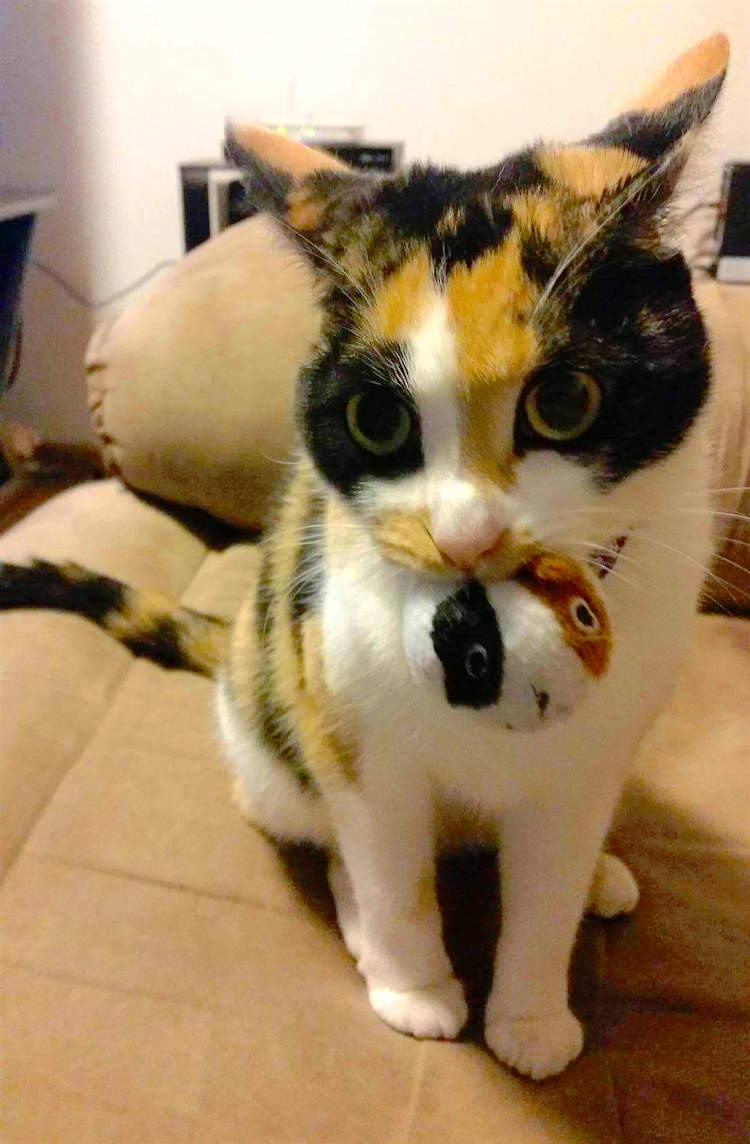
Credit: www.catsharks.org
Frequently Asked Questions
Why Does My Cat Vocalize At Her Toys?
Cats vocalize at toys to mimic hunting behavior. It reflects their natural instincts to stalk and catch prey. Talking to toys helps them practice skills and express excitement or frustration during playtime.
Is My Cat’s Toy Talking Normal Behavior?
Yes, it is normal. Cats often interact vocally with toys as part of play. This behavior shows engagement and mental stimulation, indicating a happy and active cat.
Can Talking To Toys Indicate Loneliness In Cats?
Sometimes, yes. Cats may vocalize at toys if they feel lonely or bored. Toys become companions, helping cats reduce stress and feel comforted when alone.
How Can I Encourage My Cat’s Toy Interaction?
Use interactive toys and play regularly. Praise your cat during play to reinforce positive behavior. Variety in toys keeps your cat interested and mentally sharp.
Conclusion
Cats talking to their toys shows their playful and curious side. It helps them practice hunting skills and stay active. Your cat feels safe and happy when interacting this way. Watching this behavior can bring joy and laughter. Pay attention to your cat’s needs and enjoy these moments together.
Toys are more than just objects—they are part of your cat’s world. Understanding this can make your bond stronger and more fun. Keep your cat entertained and loved every day.