
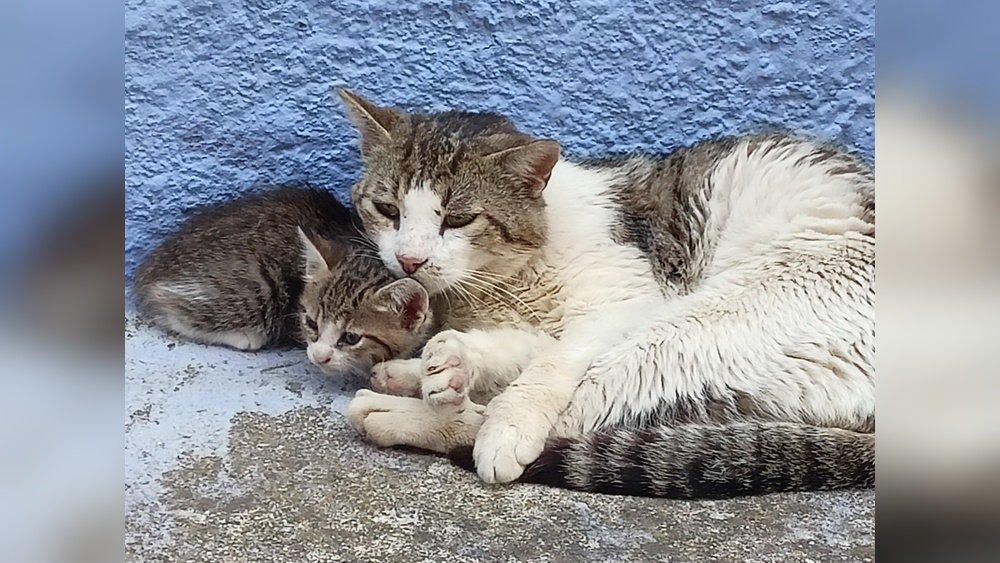
Have you ever noticed your older cat pushing away a younger cat trying to groom them? It can be puzzling and even a little frustrating to watch.
You might wonder why your senior feline won’t let the playful youngster show some affection. Understanding this behavior can help you create a more peaceful home for both cats. Keep reading, and you’ll discover the surprising reasons behind this common feline dynamic—and how you can help your cats get along better.

Credit: www.reddit.com
Social Behavior In Cats
Cats have unique social behaviors that affect how they interact. Older cats and younger cats often behave differently in social settings. Understanding their social habits helps explain why older cats may not like younger cats grooming them.
Grooming is a social activity for cats. It builds bonds and shows trust. But not all cats want to be groomed by others, especially older cats.
Hierarchy And Dominance
Older cats often see themselves as leaders. They hold a higher rank in the cat group. Younger cats are lower in this hierarchy.
Dominance means the older cat controls social interactions. Allowing grooming may feel like losing control. Older cats keep distance to show their status.
Grooming from a younger cat may seem like submission. Older cats may refuse to keep their power.
Territorial Instincts
Cats feel strong about their space. Older cats claim certain areas as their own. They protect these places from younger cats.
Grooming means close contact in personal space. Older cats may see this as a threat.
Refusing grooming helps older cats keep their territory safe. It shows they are not comfortable with the younger cat’s presence.
Grooming As A Social Tool
Grooming is more than cleaning for cats. It acts as a social tool. Cats use grooming to build and maintain bonds. It helps them show trust and care. Older cats often have strong social rules about grooming. These rules affect whether they let younger cats groom them.
Bonding And Trust
Grooming creates close bonds between cats. It shows acceptance and friendship. Older cats may only allow grooming from trusted companions. Younger cats need to prove they are friendly. Without trust, older cats keep their distance. Grooming is a sign of respect and safety.
Age And Experience Differences
Older cats have more life experience. They know how to read social cues well. Younger cats might groom too roughly or too often. This can annoy older cats. Older cats may reject grooming to keep control. They prefer calm and gentle interactions. Age shapes how cats use grooming as a social tool.
Reasons Older Cats Resist Grooming
Older cats often resist grooming from younger cats for several reasons. Their behavior reflects a mix of personality, past experiences, and physical condition. Understanding why older cats avoid grooming helps cat owners create a peaceful home for all pets.
Older cats value their space and control. They may feel uncomfortable or stressed when younger cats try to groom them. This resistance is natural and shows how cats communicate boundaries.
Preference For Independence
Older cats enjoy doing things their way. They groom themselves carefully and do not like interruptions. Younger cats’ grooming can feel invasive or annoying. Independence is a key trait in many older cats. They prefer to stay in control of their grooming routine.
Past Negative Experiences
Some older cats have bad memories of grooming. Rough or persistent grooming from younger cats may have caused pain. These experiences make older cats wary and defensive. They learn to avoid grooming to protect themselves from discomfort.
Sensitivity And Health Issues
Older cats can have sensitive skin or health problems. Arthritis or skin conditions can make grooming painful. Younger cats may not recognize these issues and groom too hard. Older cats resist to avoid pain or irritation. Health concerns often cause older cats to reject grooming attempts.
Credit: www.pumpkin.care
How Younger Cats Approach Grooming
Young cats often try to groom older cats as a way to build bonds. Grooming is more than cleaning; it is a social act. It shows trust and friendship between cats. Younger cats use grooming to join the older cat’s circle. They watch and learn how to groom properly. Their approach is careful and respectful. They try to show they mean no harm. Still, older cats may not always welcome this attention.
Learning Social Cues
Young cats pay close attention to older cats’ reactions. They watch body language and sounds. If an older cat pulls away or hisses, the young cat stops. They learn which spots the older cat likes to be groomed. They also learn how long to groom without annoying. This learning helps them avoid conflicts. It also helps young cats become better friends.
Seeking Acceptance
Grooming is a way for young cats to ask for friendship. They want to be part of the group. By grooming, they show respect to the older cat. They hope for a positive response. If the older cat accepts, they may groom back. This shows mutual trust. If not, the young cat may try again later. Patience is key for younger cats seeking acceptance.
Improving Grooming Relationships
Improving grooming relationships between older and younger cats helps create harmony at home. Grooming is a social activity that builds trust and connection. Older cats may resist younger cats grooming them. Understanding how to encourage positive grooming can ease tensions. Adjusting the environment and managing stress also support better interactions.
Encouraging Positive Interactions
Start by letting cats meet in calm settings. Short, supervised sessions help them get used to each other. Praise calm behavior with gentle petting or treats. Encourage younger cats to groom only when the older cat is relaxed. Watch body language closely. Stop any grooming attempts if the older cat shows discomfort. Let the older cat control the pace.
Managing Stress And Environment
Stress affects grooming behavior significantly. Provide quiet spaces where each cat can retreat. Keep litter boxes, food, and water bowls separate. Avoid loud noises or sudden changes in routine. Use calming products like pheromone diffusers. A peaceful environment lowers tension. This makes grooming more likely to be accepted by older cats.

Credit: www.goodpetparent.com
Frequently Asked Questions
Why Don’t Older Cats Let Younger Cats Groom Them?
Older cats often see grooming as a social hierarchy sign. They may feel dominant or prefer their own grooming habits, so they resist younger cats’ attempts to groom.
How Does Cat Grooming Reflect Social Status?
Grooming among cats shows social bonds and hierarchy. Older cats may refuse grooming to maintain authority or avoid feeling submissive to younger cats.
Can Older Cats Accept Grooming From Younger Ones Over Time?
Sometimes, yes. Older cats may gradually accept grooming if trust builds and the younger cat respects boundaries, leading to improved social bonding.
Does Grooming Affect Cat Stress Or Comfort Levels?
Yes. Grooming can reduce stress and increase comfort, but older cats might avoid grooming if they feel threatened or uncomfortable around younger cats.
Conclusion
Older cats set clear boundaries with younger cats. They feel safer grooming themselves. Trust grows slowly between cats. Younger cats need patience and respect. This behavior helps keep peace in the home. Understanding their ways improves your cat care. Watch and learn from their body language.
Let your cats build trust at their pace. This way, all cats feel calm and happy.