
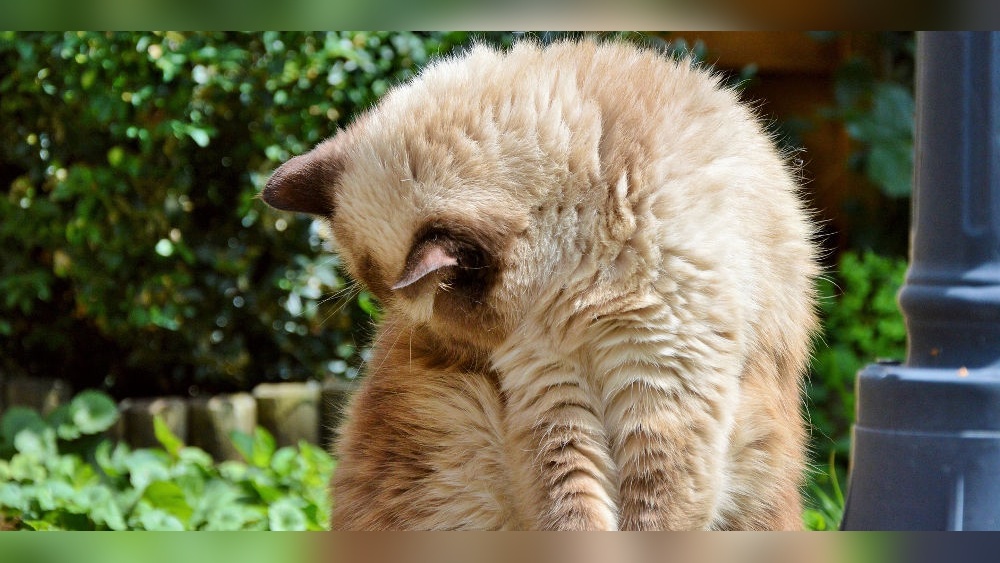
Have you noticed your cat isn’t grooming himself like he used to? It’s a sign that something might be wrong, and as a caring pet owner, you want to understand why.
When your cat stops cleaning his fur, it’s not just about looking messy—it can mean he’s feeling sick, stressed, or uncomfortable. You’ll discover the common reasons behind this change and what you can do to help your furry friend feel his best again.
Keep reading to protect your cat’s health and happiness.

Credit: luckydawgsalongrooming.com
Common Grooming Habits
Cats are known for their careful grooming habits. Grooming is a daily routine for most cats. It helps them stay clean and healthy. Understanding these common habits can explain why a cat might stop grooming.
Grooming includes licking their fur, cleaning their paws, and scratching. Cats spend a good part of their day on this activity. It is normal and important for their well-being.
Normal Grooming Frequency
Most cats groom themselves several times a day. Some cats can spend up to 50% of their waking hours grooming. Younger cats tend to groom more often than older ones. Grooming frequency varies by personality and health. Watching your cat’s grooming habits helps spot changes early.
Benefits Of Grooming
Grooming removes dirt and loose hair. It also helps spread natural oils across the fur. This keeps the coat shiny and smooth. Grooming lowers stress and calms the cat. It stops skin infections by keeping the skin clean. A well-groomed cat usually feels comfortable and healthy.

Credit: www.reddit.com
Health Issues Affecting Grooming
Cats usually groom themselves to stay clean and healthy. When a cat stops grooming, health problems might be the cause. These issues can make grooming hard or painful. Understanding these health problems helps you care for your cat better.
Skin Infections And Parasites
Skin infections cause itching and pain. Cats may avoid grooming sore areas. Parasites like fleas also cause discomfort. They make the skin red and irritated. Cats may stop grooming to avoid pain.
Arthritis And Mobility Problems
Arthritis causes joint pain and stiffness. This makes bending and stretching hard. Cats with arthritis may skip grooming spots. Older cats often face these problems. Less movement means less self-cleaning.
Dental Pain And Discomfort
Dental pain can stop cats from grooming. Mouth pain makes licking uncomfortable. Cats with tooth problems groom less. Bad breath and drooling are signs. Dental care is important for healthy grooming.
Obesity Impact
Obesity limits a cat’s flexibility. Overweight cats struggle to reach certain areas. This reduces their grooming ability. Extra weight can cause skin folds, too. These spots can get dirty and infected.
Emotional And Behavioral Factors
Cats often stop grooming due to emotional and behavioral reasons. These factors can deeply affect their daily habits. Stress, anxiety, and sadness can change how cats care for themselves. Changes in their environment might also cause grooming to stop. Understanding these reasons helps in caring for your cat better.
Stress And Anxiety Effects
Stress makes cats feel uneasy and scared. They may hide or avoid grooming. Anxiety can come from loud noises or new people. Cats under stress may stop licking their fur. This leads to dirty or matted coats. Reducing stress can help your cat groom again.
Depression In Cats
Cats can feel sad or depressed too. Depression lowers their interest in daily activities. Grooming is often one of the first things to stop. A depressed cat may sleep more and play less. Notice if your cat avoids you or food. These signs show emotional distress affecting grooming habits.
Changes In Environment
Moving to a new home can upset a cat. New smells and sounds confuse them. Adding a new pet or person can change the routine. Cats need time to adjust to changes. During this time, grooming may decline. Creating a calm space helps cats feel safe again.
Age-related Grooming Changes
As cats grow older, their grooming habits often change. Age can affect their ability to clean themselves properly. Older cats may stop grooming as often or miss spots on their body. This change can lead to a messy or matted coat. Understanding these changes helps in caring for senior cats better.
Senior Cats And Grooming Decline
Senior cats often groom less due to physical challenges. Joint pain or arthritis can make reaching certain areas hard. Reduced flexibility stops them from cleaning their back or belly well. Their energy levels also drop, so grooming takes more effort. Sometimes, older cats feel weak or tired and skip grooming sessions.
Cognitive Dysfunction Syndrome
Cognitive Dysfunction Syndrome (CDS) affects some aging cats. This condition is similar to dementia in humans. Cats with CDS may forget normal behaviors like grooming. They can get confused or anxious, which lowers grooming interest. Owners might notice their cat’s coat becoming dirty or oily. Recognizing CDS early helps in managing these symptoms.
When To See A Vet
Noticing that your cat has stopped grooming can be worrying. Grooming is a key part of a cat’s health. A sudden stop may signal health problems. Knowing when to see a vet is important. Early care can prevent bigger issues. Here are signs, tests, and treatments to expect during a vet visit.
Warning Signs To Watch
Look for patches of fur loss or dull coat. Check if your cat seems weak or tired. Notice any changes in eating or drinking habits. Observe if your cat hides more than usual. Watch for signs of pain when touched. These signs mean a vet visit is needed.
Diagnostic Tests
The vet will ask about your cat’s behavior. They may perform a physical exam first. Blood tests help find infections or organ problems. Skin scrapings check for parasites or fungi. X-rays or ultrasounds reveal internal issues. These tests give a clear picture of your cat’s health.
Treatment Options
Treatment depends on the cause found by the vet. Parasites get treated with special medications. Infections may require antibiotics or antifungals. Pain or arthritis might need anti-inflammatory drugs. Nutrition advice can improve coat health. Follow the vet’s instructions closely for best results.
Helping Your Cat Groom Again
Helping your cat groom again is important for their health. Grooming keeps their fur clean and skin healthy. When a cat stops grooming, it can lead to problems like mats, dirt, and skin issues. You can help your cat feel comfortable and start grooming again with some simple steps.
Encouraging Grooming Habits
Offer gentle brushing sessions daily. Use a soft brush to avoid hurting your cat. Praise your cat during and after grooming. Give small treats as a reward. These actions make grooming a positive experience. Try to keep grooming time short and calm.
Assisting With Grooming
Help by cleaning dirty or matted fur carefully. Use a damp cloth for gentle wiping. Check for wounds or skin problems. If you find something unusual, see a vet. Regular brushing removes loose fur and reduces mats. This support encourages your cat to groom alone again.
Creating A Comfortable Environment
Keep your cat’s resting area clean and quiet. Stress can stop grooming habits. Provide safe hiding spots and cozy beds. Maintain a regular feeding and playtime schedule. A calm environment helps your cat relax. Relaxed cats are more likely to groom themselves.

Credit: catspajamasgrooming.ca
Frequently Asked Questions
Why Has My Cat Suddenly Stopped Grooming?
Cats may stop grooming due to illness, pain, stress, or depression. It can signal health problems like arthritis or dental issues. Monitoring behavior and consulting a vet ensures early diagnosis and proper care.
Can Stress Cause Cats To Stop Self-grooming?
Yes, stress and anxiety can reduce a cat’s grooming habits. Changes in environment, new pets, or loud noises often trigger stress. Providing a calm space and routine helps your cat feel secure and resume grooming.
Does Age Affect A Cat’s Grooming Behavior?
Older cats often groom less due to arthritis, dental pain, or reduced mobility. Aging can make self-care difficult, leading to matted fur or dirt buildup. Regular vet check-ups and gentle grooming support senior cats’ hygiene.
What Health Issues Lead To Grooming Neglect In Cats?
Health problems like skin infections, arthritis, dental pain, or obesity can cause grooming neglect. These conditions make grooming uncomfortable or painful. Early vet intervention is crucial to diagnose and treat underlying issues effectively.
Conclusion
A cat that stops grooming may be unwell or stressed. Watch for changes in behavior or eating habits. Visit a vet to check for health problems quickly. Help your cat feel safe and calm at home. Regular grooming helps keep cats clean and happy.
Paying attention to your cat’s needs shows you care. Small actions can make a big difference in your pet’s life. Stay patient and gentle while helping your cat heal.