
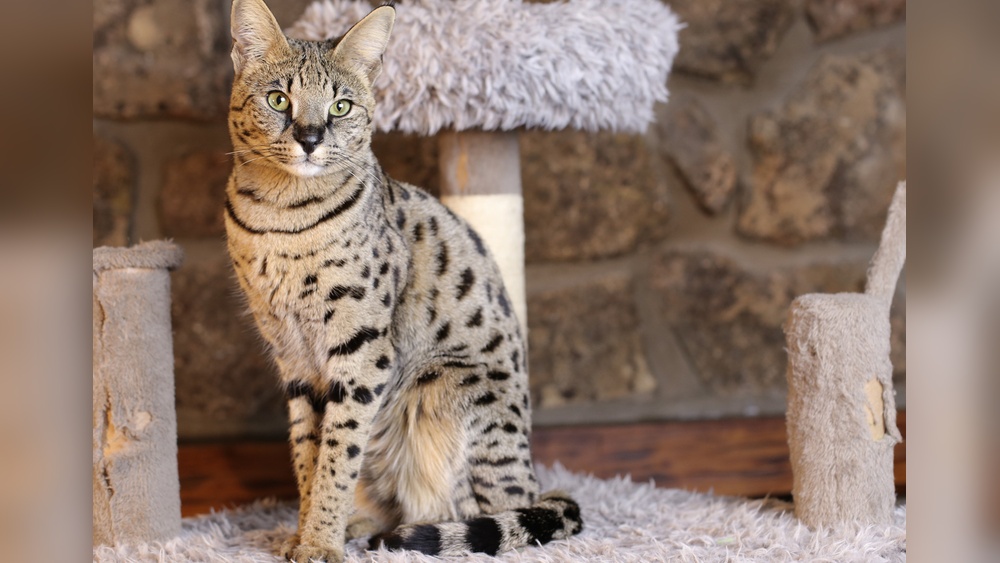
Have you ever wondered why breeding big cats might not be as harmless as it sounds? You might think it helps save these majestic animals, but the truth is far more complicated—and troubling.
When you dig deeper, you’ll see how breeding big cats can cause serious harm to their health, behavior, and survival in the wild. If you care about these incredible creatures and want to understand the real impact of breeding them, keep reading.
This isn’t just about animals; it’s about the future of our planet’s wild beauty—and your role in protecting it.
Ethical Issues In Big Cat Breeding
Breeding big cats raises serious ethical questions. These issues affect the animals, the environment, and even society. Many people do not see the hidden harm behind this practice. Understanding these concerns helps us see why breeding big cats is harmful.
Animal Welfare Concerns
Big cats in breeding facilities often live in small cages. They do not get enough space to move or express natural behaviors. Stress, illness, and injuries are common among these animals. Many breeders do not provide proper veterinary care. The animals suffer physically and mentally. This treatment is unfair to wild creatures meant to roam freely.
Exploitation For Profit
Some breeders use big cats only to make money. They sell cubs as pets or for entertainment. These animals become objects, not living beings. The focus stays on profit, not on the cats’ well-being. This exploitation encourages more breeding and mistreatment. It creates a cycle where animals suffer for cash.
Impact On Wild Populations
Breeding big cats in captivity can harm wild populations. It may reduce the value of protecting natural habitats. People might think captive animals replace wild ones. Illegal trade and poaching can increase due to demand for big cats. This practice threatens the survival of species in the wild. It weakens efforts to conserve these majestic animals.
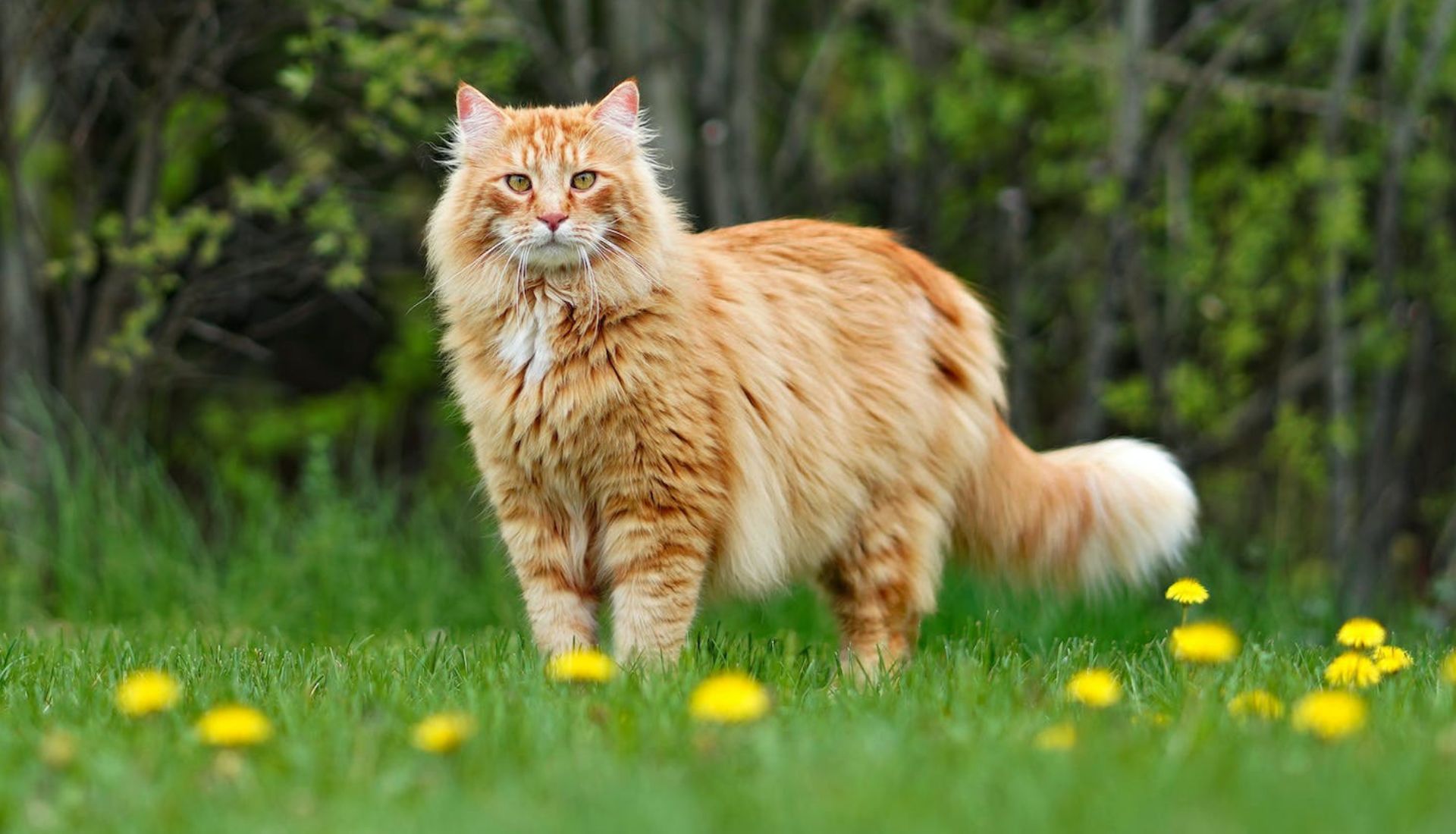
Credit: worldanimalfoundation.org
Health Problems In Captive Big Cats
Big cats kept in captivity face many health challenges. These problems arise mainly from breeding practices and living conditions. Understanding these issues helps reveal why breeding big cats in captivity is harmful.
Genetic Defects And Inbreeding
Captive breeding often leads to inbreeding. This means animals mate with close relatives. Inbreeding causes genetic defects. These defects weaken the immune system. Cubs may suffer from deformities and illnesses. Genetic diversity is crucial for strong, healthy animals.
Physical And Psychological Stress
Big cats in cages experience constant stress. Limited space restricts their natural movements. Stress causes physical problems like weight loss and weak bones. Psychological stress leads to abnormal behaviors. Pacing, over-grooming, and aggression are common signs. Stress lowers their overall health and happiness.
Limited Lifespan And Disease
Captive big cats often live shorter lives. Poor living conditions increase disease risks. They are prone to infections and chronic illnesses. Lack of exercise weakens their body defenses. Many die young due to preventable health issues. Proper care is hard to maintain in captivity.
Environmental Consequences
Breeding big cats has serious effects on the environment. These actions harm nature in many ways. They change the balance of life and damage habitats. Understanding these impacts helps us see why breeding big cats is harmful.
Each problem ties closely to the health of our planet. Protecting big cats means protecting the environment too.
Loss Of Natural Habitat
Breeding big cats often needs large spaces. These spaces come from cutting down forests and clearing land. This destroys homes for many wild animals and plants. The loss of forests reduces oxygen and increases carbon in the air. Nature loses its balance when habitats disappear.
Disruption Of Ecosystems
Big cats play a key role in nature. They control the number of other animals. Breeding big cats in captivity can change their behavior. If released or escaped, they may disrupt local wildlife. This causes an imbalance, harming plants and smaller animals. Ecosystems become weak and less able to survive.
Illegal Wildlife Trade Links
Breeding big cats often supports illegal trade. Some cats and their parts are sold for money. This illegal market hurts wild populations. It encourages poaching and smuggling. Wildlife crime grows, making big cat survival harder. Breeding big cats feeds this dangerous business.

Credit: www.holistapet.com
Legal And Regulatory Challenges
Breeding big cats faces many legal and regulatory challenges worldwide. Laws try to protect wildlife but often fall short. These challenges make it hard to control and stop illegal or harmful breeding practices. Understanding these issues helps explain why breeding big cats can be dangerous and damaging.
Loopholes In Wildlife Laws
Many countries have laws to protect wild animals. Still, these laws often have gaps or unclear rules. Some breeders exploit these loopholes to operate without proper oversight. Laws may differ between states or regions, causing confusion. This inconsistency allows illegal breeding to continue unchecked. Loopholes make it tough to regulate big cat breeding effectively.
Enforcement Difficulties
Enforcing wildlife laws is complex and costly. Officials may lack training to identify illegal breeders. Limited resources mean fewer inspections and fewer arrests. Big cat breeders often work in secret or remote places. This secrecy makes it hard for authorities to gather evidence. Without strong enforcement, illegal breeding thrives and harms animals.
Role Of Wildlife Sanctuaries
Wildlife sanctuaries play a key role in protecting big cats. They provide safe homes for rescued animals. Sanctuaries also educate the public about the risks of breeding. Some sanctuaries work with law enforcement to report illegal breeders. Their efforts help reduce the demand for captive big cats. Sanctuaries promote better care and respect for these animals.
Alternatives To Breeding Big Cats
Breeding big cats in captivity raises many ethical and environmental issues. There are better ways to help these animals survive and thrive. Alternatives focus on protecting wild populations and supporting animals in safer, natural ways.
Conservation In The Wild
Protecting big cats in their natural habitats is crucial. Conservation programs work to stop poaching and preserve forests. These efforts keep big cats safe and help their numbers grow naturally. Supporting local communities reduces conflicts and promotes coexistence.
Sanctuary And Rehabilitation Efforts
Sanctuaries provide safe homes for rescued big cats. They offer care without breeding more animals. Rehabilitation helps injured or orphaned cats return to the wild. These places focus on healing, not on making more big cats for captivity.
Public Awareness And Education
Educating people about big cats helps protect them. Awareness campaigns teach why breeding in captivity can harm the species. Schools and media spread facts about conservation needs. Informed people are more likely to support real protection efforts.

Credit: bigcatrescue.org
Frequently Asked Questions
Why Is Breeding Big Cats Considered Harmful?
Breeding big cats often leads to genetic defects and health issues. It promotes unethical practices and disrupts natural populations. Many breeders prioritize profit over animal welfare, causing suffering and poor living conditions for the cats.
How Does Big Cat Breeding Affect Conservation?
Breeding big cats in captivity rarely supports wild populations. It diverts resources from genuine conservation efforts. These practices can encourage illegal wildlife trade and reduce the focus on protecting natural habitats.
What Are The Ethical Concerns In Big Cat Breeding?
Big cat breeding raises ethical issues like exploitation and neglect. Many cats face poor living conditions and lack proper care. It also encourages unnatural breeding, which harms the animals’ well-being and dignity.
Can Breeding Big Cats Impact Wild Populations?
Yes, it can. Breeding big cats in captivity may reduce genetic diversity. It can encourage poaching and illegal trade, harming wild populations. It also misleads the public about the importance of protecting natural habitats.
Conclusion
Breeding big cats causes harm to animals and nature. It often leads to poor health and stressful lives for the cats. Many bred cats end up in unsafe places or face neglect. This practice also hurts wild populations by encouraging illegal trade.
Protecting big cats means stopping breeding for profit or entertainment. We must support real conservation efforts instead. Let’s respect these majestic creatures and keep their homes safe. Caring for big cats means caring for our planet too.