
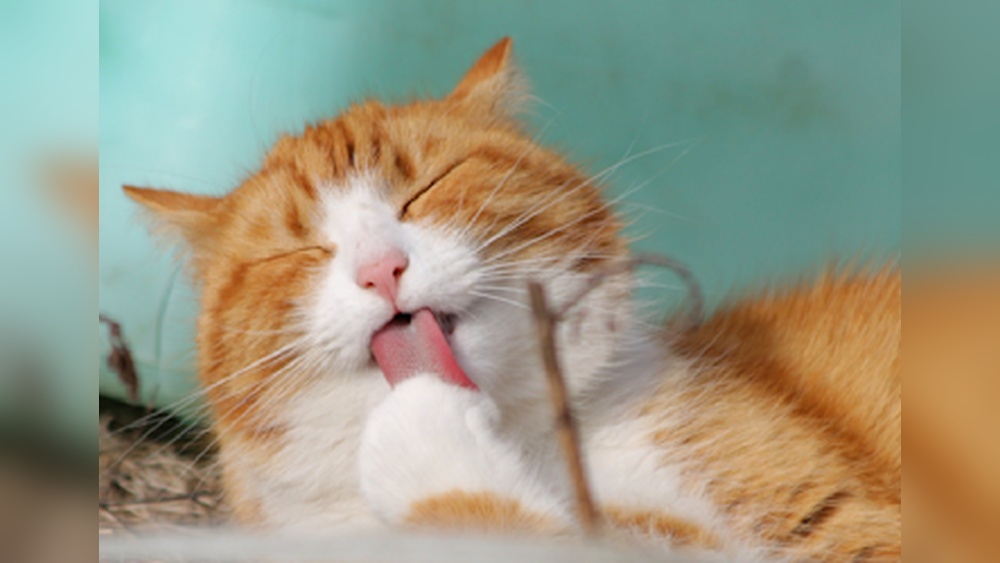
Have you noticed your cat spending more time licking and cleaning than usual? If your furry friend seems to be grooming constantly, it might leave you wondering why.
Understanding the reasons behind this behavior is important because it can tell you a lot about your cat’s health and happiness. Keep reading to discover the surprising causes of excessive grooming and what you can do to help your cat feel comfortable again.
Don’t miss out on these simple tips that could make a big difference for your beloved pet.
Normal Grooming Habits
Cats spend a lot of time grooming themselves every day. This behavior is normal and very important for their health and comfort. Grooming helps cats keep their fur clean and smooth. It also helps them stay calm and relaxed. Understanding normal grooming habits can help you know when your cat is healthy and happy.
Each cat has its own grooming routine. Some cats groom more than others. Watching your cat’s grooming patterns can tell you a lot about their well-being.
Daily Grooming Patterns
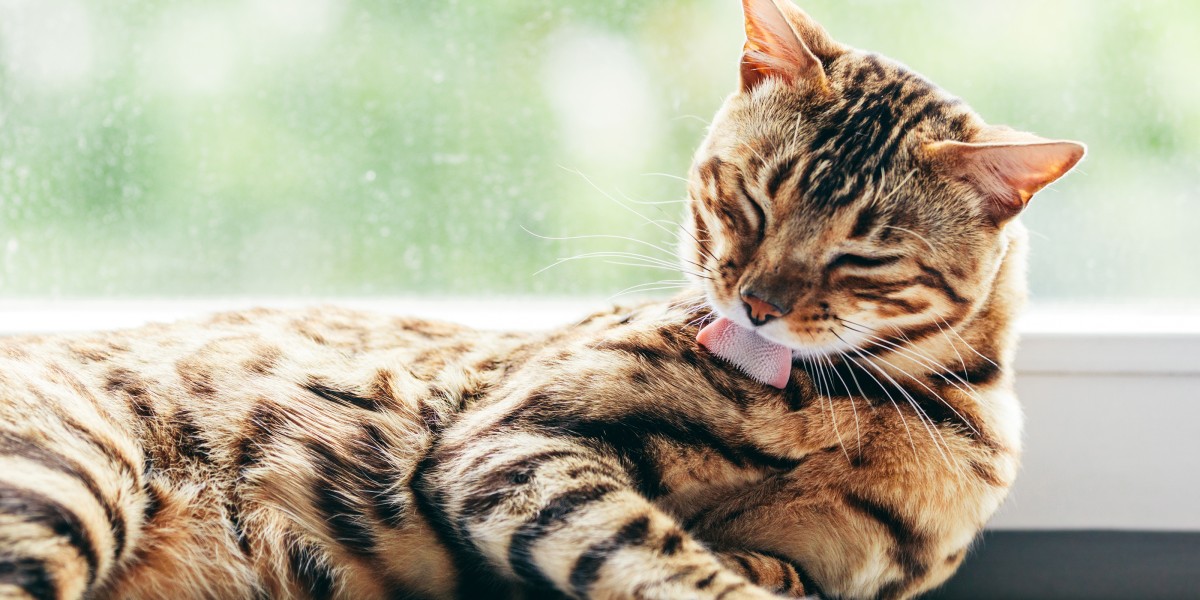
Cats groom themselves several times a day. They use their tongue to clean their fur and remove dirt. They also lick their paws and then rub their face. This keeps their face clean and free of debris. Grooming takes up about 30 to 50 percent of a cat’s awake time. Younger cats and long-haired breeds often groom more. Older cats might groom less as they get tired easily.
Benefits For Cats
Grooming helps cats stay clean and cool. It removes loose fur and dirt. This reduces skin problems and infections. Grooming spreads natural oils on their fur. These oils keep the coat shiny and water-resistant. Grooming also helps cats relax. It lowers their stress and anxiety. When cats groom, they feel safe and comfortable. Grooming is a natural way for cats to take care of themselves.
Excessive Grooming Signs
Excessive grooming in cats is more than just cleaning. It can signal stress, pain, or skin problems. Spotting signs early helps protect your cat’s health and comfort. Watch your cat closely to know when grooming is too much.
When Grooming Becomes A Problem
Normal grooming keeps cats clean and healthy. But constant licking or biting can cause damage. Cats may groom so much that fur thins or skin breaks. This behavior often points to discomfort or anxiety. If your cat spends hours grooming, it may need help.
Physical Symptoms To Watch
Look for bald spots or red, irritated skin. Scabs, sores, or swelling also show trouble. Cats may lick the same area repeatedly. Notice if your cat scratches or bites itself often. These signs mean grooming is harming your cat’s skin.
Stress And Anxiety
Cats groom themselves to stay clean and healthy. But sometimes, they groom too much. Stress and anxiety often cause this extra grooming. It helps cats feel calm and safe. Understanding why your cat feels stressed can help you stop the behavior.
Triggers For Stress Grooming
Many things can make a cat feel stressed. Changes in the home, like new pets or people, cause worry. Loud noises, such as fireworks or thunderstorms, scare cats. Moving to a new house can upset them. Even being left alone for a long time may stress your cat. These triggers make cats groom more to soothe themselves.
Behavioral Indicators
Stress grooming comes with signs you can watch for. Your cat may lick one spot many times. This can cause hair loss or red skin. Your cat might hide more or act restless. Sometimes, your cat may seem nervous or jumpy. These behaviors show your cat needs help to feel safe again.
Skin Issues And Allergies
Cats groom themselves to stay clean and healthy. Sometimes, grooming becomes more frequent. This often points to skin problems or allergies. These issues can make the cat’s skin itchy or uncomfortable. The cat tries to soothe this by licking or biting its fur. Understanding common skin conditions and allergies helps identify the cause.
Common Skin Conditions
Many skin problems cause a cat to groom often. Flea bites are one of the main causes. Fleas make the skin very itchy. Mites also lead to intense itching and hair loss. Ringworm is a fungal infection that causes scaly patches. These conditions make cats uncomfortable. They lick or scratch to ease the irritation. Checking your cat’s skin regularly helps catch these problems early.
Allergic Reactions In Cats
Cats can be allergic to various things. Food ingredients, pollen, dust, and cleaning products often cause allergies. Allergic skin reactions cause redness, swelling, and itchiness. Cats may lick or bite the affected areas. These allergies can worsen without treatment. Identifying the allergen is important. A vet can help find the cause and suggest solutions. Proper care reduces your cat’s discomfort and stops excessive grooming.
Parasites And Infections
Cats groom themselves to stay clean and healthy. Sometimes, they groom too much. Parasites and infections often cause this behavior. These problems make cats itchy and uncomfortable. Grooming helps ease the irritation. Understanding these causes helps you care for your cat better.
Fleas And Mites
Fleas are tiny insects that bite cats. Their bites cause itching and skin irritation. Cats bite and lick to remove fleas. Mites are even smaller parasites. They burrow into the skin, causing intense itching. Constant grooming helps cats try to get rid of these pests. Watch for red bumps or hair loss. These signs often mean fleas or mites are present.
Bacterial And Fungal Infections
Bacteria and fungi can infect your cat’s skin. These infections cause redness, swelling, and discomfort. Cats lick infected areas to soothe pain and clean wounds. Fungal infections, like ringworm, create scaly patches. Bacterial infections can cause pus and sores. Both infections make cats groom excessively. Early treatment prevents infections from worsening.
Pain And Discomfort
Cats groom themselves to stay clean and comfortable. Sometimes, grooming happens more often because of pain or discomfort. This behavior can show that something is wrong. Understanding why your cat grooms a lot can help you find the cause.
Injuries Causing Grooming
Injuries can make cats lick or bite certain areas. Cuts, scrapes, or insect bites may hurt. Grooming the sore spot can soothe the pain. It also helps keep the wound clean. Watch your cat for swelling or redness. These signs mean your cat is hurting and needs care.
Arthritis And Other Aches
Older cats often have arthritis or joint pain. These aches make moving difficult and uncomfortable. Grooming may increase to ease the soreness. Cats might lick stiff or tender spots a lot. This helps them feel better for a short time. If your cat has trouble jumping, see a vet.
Environmental Factors
Environmental factors play a big role in your cat’s grooming habits. Changes around your home or the weather outside can make your cat clean itself more often. Understanding these factors helps you see why your cat behaves this way.
Changes At Home
Moving furniture or adding new pets can stress your cat. Stress often causes more grooming. Cats use grooming to calm down. Even small changes, like new smells or sounds, can affect them. Watch your cat closely when your home changes. Excess grooming could signal discomfort or anxiety.
Seasonal Influences
Different seasons affect your cat’s fur and skin. In winter, dry air can make their skin itchy. Cats groom more to soothe the itch. In summer, heat makes cats lick to cool down. Shedding also increases with the seasons. Grooming helps remove loose fur. Seasonal changes can explain a rise in grooming behavior.

Credit: pennypaws.com
Behavioral Disorders
Cats groom to stay clean and healthy. Sometimes, grooming becomes a problem. Behavioral disorders can cause cats to groom too much. This can harm their skin and fur. Understanding these disorders helps you care better for your cat.
Compulsive Grooming
Compulsive grooming means your cat grooms nonstop. It goes beyond normal cleaning. This behavior often signals stress or anxiety. Cats may lick or bite themselves until they have bald spots. The skin might become red or sore. This condition needs attention from a vet or behaviorist.
How To Identify
Look for bald patches on your cat’s body. Notice if your cat grooms more than usual. Watch for signs of irritation or wounds. Check if grooming happens in specific areas. Observe if your cat seems anxious or restless. These signs suggest compulsive grooming. Early detection helps prevent serious problems.
When To See A Vet
Knowing when to see a vet is key if your cat grooms too much. Grooming helps cats stay clean, but too much can mean problems. Some causes need medical care. Early vet visits can stop small issues from growing.
Signs That Need Attention
Look for bald spots or red, sore skin. These show grooming may hurt your cat. Notice if your cat scratches or bites a lot. Watch for changes in mood or energy. If your cat hides or acts anxious, these are warning signs. Constant licking or chewing a certain area also needs a vet check.
Diagnostic Approaches
The vet will check your cat’s skin and fur. They may do skin scrapings or allergy tests. Blood tests can find infections or other illnesses. Sometimes, the vet looks for fleas or mites. They might ask about your cat’s diet and environment. These tests help find the cause of over-grooming. Proper diagnosis guides the right treatment plan.
Credit: www.purina.com
Treatment Options
Constant grooming in cats can signal different issues. Treatment depends on the cause of this behavior. Some cases need medical help. Others improve with changes in behavior. Knowing the right treatment helps your cat feel better.
Medical Interventions
Visit a vet to check for skin problems or allergies. The vet may prescribe medicine for infections or parasites. Pain or discomfort can cause over-grooming. Treating these issues can stop the behavior. Sometimes, hormones or other health problems need testing. Follow the vet’s advice closely for best results.
Behavioral Therapies
Stress or boredom can make cats groom too much. Provide toys and playtime to keep your cat busy. Create a calm and safe space for your pet. Use calming sprays or diffusers designed for cats. Training and positive reinforcement can reduce anxiety. Patience and routine help your cat relax and groom less.
Preventing Excessive Grooming
Excessive grooming in cats can signal stress or health issues. Preventing this behavior helps keep your cat happy and healthy. Small changes in their environment and care routine can reduce over-grooming. Focus on what your cat needs to feel safe and comfortable.
Environmental Enrichment
Create a stimulating space for your cat. Toys, scratching posts, and climbing trees keep them busy. Playtime helps release energy and reduce stress. A quiet spot for rest is also important. Cats groom less when they feel secure and entertained.
Routine Care Tips
Regular grooming helps prevent skin problems. Brush your cat gently to remove loose fur. Check for fleas or skin irritations often. Keep feeding times consistent to reduce anxiety. A calm and steady routine supports your cat’s well-being and lowers grooming urges.
Credit: www.embracepetinsurance.com
Frequently Asked Questions
Why Is My Cat Grooming Excessively?
Excessive grooming can signal stress, allergies, or skin infections. It’s important to monitor your cat’s behavior and consult a vet if needed.
Can Grooming Indicate Health Problems In Cats?
Yes, frequent grooming may point to parasites, pain, or allergies. Early vet visits help identify and treat underlying issues effectively.
How Does Stress Affect My Cat’s Grooming Habits?
Stress can cause cats to over-groom as a coping mechanism. Providing a calm environment helps reduce anxiety and excessive grooming.
Is My Cat Grooming Too Much Due To Boredom?
Boredom can lead to over-grooming as cats seek stimulation. Offering toys and interaction can help reduce this behavior.
Conclusion
Cats groom to stay clean and calm. Constant grooming might mean stress or health issues. Watch your cat’s behavior closely. Check for skin problems or parasites. Give your cat a calm, safe space. Regular vet visits help catch problems early.
Understanding your cat’s grooming helps keep them happy. Trust your instincts and seek help if needed. Your cat’s well-being depends on your care. Keep observing and providing love every day.