
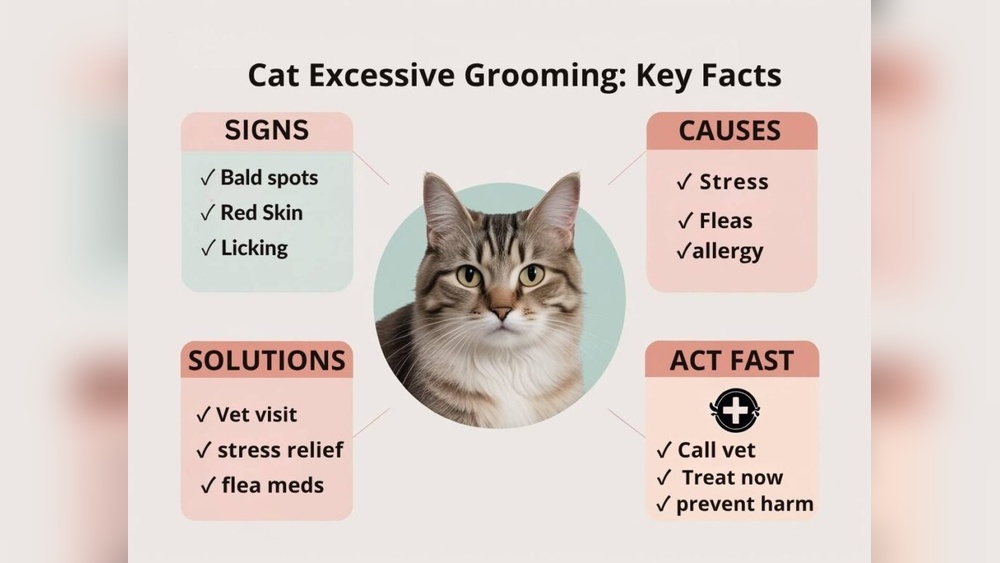
Is your cat scratching and grooming more than usual? You might be wondering why this is happening and if it’s something you should worry about.
Constant scratching and grooming can be a sign that your furry friend is uncomfortable or trying to tell you something important. Understanding the reasons behind this behavior can help you keep your cat happy and healthy. Keep reading to discover what might be causing your cat’s nonstop scratching and grooming—and what you can do about it.
Common Reasons For Scratching
Cats scratch for many reasons. Sometimes it is normal behavior. Other times, it shows a problem. Understanding why your cat scratches helps you care better. Here are common reasons cats scratch and groom a lot.
Fleas And Parasites
Fleas cause intense itching. They bite the cat’s skin. This leads to constant scratching. Parasites like mites also irritate the skin. These tiny creatures hide in fur. They cause discomfort and hair loss. Treating fleas and parasites stops the itching fast.
Allergic Reactions
Cats can be allergic to food or environment. Dust, pollen, or certain foods trigger allergies. Allergies cause itchy, red skin. Cats scratch to relieve the itch. Allergies may also cause sneezing or watery eyes. Identifying the allergen helps reduce scratching.
Skin Infections
Bacterial or fungal infections can irritate your cat’s skin. Infections cause redness, swelling, and pain. Cats scratch infected areas often. Scratching can make infections worse. Early treatment with vet care clears infections quickly.
Dry Skin Issues
Dry skin makes cats uncomfortable. It can result from cold weather or poor diet. Dry skin feels rough and flaky. Cats scratch to ease dryness and tightness. Adding omega-3 fatty acids to food may help. Keep your cat hydrated for healthy skin.

Credit: rainiervet.com
Why Cats Groom Excessively
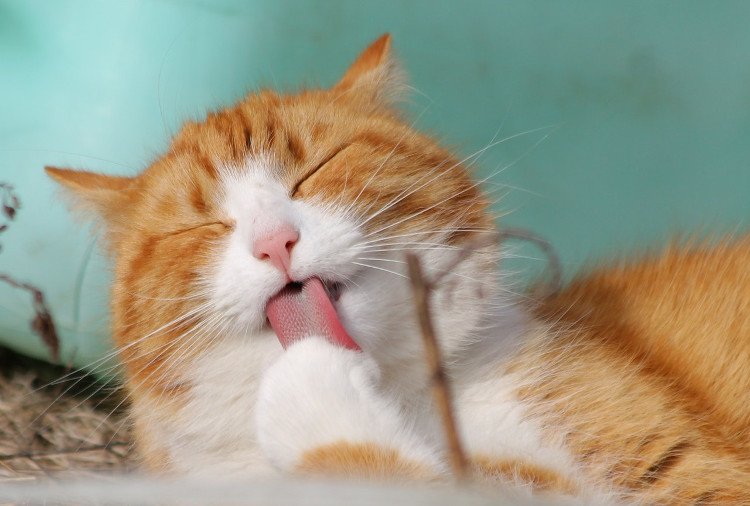
Cats groom to keep clean and feel good. Grooming is normal, but too much grooming can signal a problem. Excessive grooming means your cat may be stressed, hurt, bored, or have skin issues. Understanding why helps you care better for your furry friend.
Stress And Anxiety
Cats groom more when they feel stressed or anxious. Changes at home or loud noises can upset them. Grooming acts like a calming tool for cats. It helps them feel safer and less worried.
Pain Or Discomfort
Pain can cause a cat to groom one area too much. Injuries or arthritis may lead to this behavior. Grooming helps distract from pain and soothes the skin. Watch for signs of limping or sensitivity.
Boredom And Lack Of Stimulation
Bored cats often groom excessively to pass time. Without toys or play, grooming becomes a habit. Mental and physical activities reduce over-grooming. Offer new toys or play sessions daily.
Skin Conditions
Skin problems like allergies or parasites cause itching. Cats scratch and groom to relieve discomfort. Look for redness, flakes, or sores on the skin. A vet visit can diagnose and treat these conditions.
Signs To Watch For
Noticing your cat scratching and grooming a lot can be worrying. These behaviors tell you something might be wrong. Watch closely for signs that show your cat needs help.
Visible Skin Damage
Check your cat’s skin for redness or sores. Look for bald patches or scabs. These marks show irritation or infection. Skin damage means your cat is hurting itself by scratching too much.
Behavioral Changes
Observe if your cat acts different than usual. It may become restless or hide more often. Changes in mood or energy can mean discomfort. Your cat might also avoid being touched in certain areas.
Frequency And Intensity Of Grooming
Notice how often your cat grooms itself. Grooming a little is normal but too much is not. Intense licking or biting can cause skin problems. Excessive grooming points to itching or stress.
When To See A Vet
Knowing when to see a vet is important for your cat’s health. Cats scratch and groom for many reasons. Sometimes, it is normal behavior. Other times, it signals a problem. Watching your cat closely helps you decide if a vet visit is needed. Here are signs to watch for.
Persistent Scratching
Scratching that lasts more than a few days needs attention. Constant scratching can harm your cat’s skin. It may cause wounds or infections. A vet can find the cause and give proper treatment. Don’t wait if scratching is nonstop.
Worsening Skin Condition
Look for redness, bumps, or hair loss. These signs show the skin is getting worse. Your cat may have allergies, fleas, or infections. Skin problems can spread or cause pain. A vet can check and recommend the right care.
Changes In Appetite Or Activity
Notice if your cat eats less or is less active. These changes might mean your cat feels unwell. Stress from skin problems can affect appetite and mood. A vet visit can uncover hidden health issues. Early help improves recovery chances.
Home Care Tips
Home care plays a big role in managing your cat’s scratching and grooming habits. Small changes at home can make your cat feel better and reduce discomfort. Focus on simple steps to keep your cat healthy and happy every day.
These tips help keep your cat’s skin calm and fur clean. They also lower the chances of skin problems and stress. Let’s explore some easy ways to care for your cat at home.
Regular Flea Control
Fleas cause itching and lead to constant scratching. Use flea prevention treatments recommended by your vet. Check your cat’s fur often for any signs of fleas or flea dirt. Clean your home and bedding regularly to stop fleas from coming back. Keeping fleas away helps your cat feel more comfortable.
Balanced Diet
A healthy diet supports your cat’s skin and coat health. Feed high-quality cat food with the right nutrients. Omega-3 and omega-6 fatty acids help reduce skin inflammation. Avoid foods that may cause allergies or sensitivities. Proper nutrition strengthens your cat’s natural defenses against skin problems.
Creating A Stress-free Environment
Stress can make cats groom or scratch more than usual. Provide a quiet, safe space where your cat can relax. Offer toys and playtime to keep your cat mentally active. Keep a regular routine for feeding and cleaning. Reducing stress helps your cat stay calm and reduces over-grooming.
Credit: www.vetdermclinic.com
Credit: www.banfield.com
Frequently Asked Questions
Why Is My Cat Scratching More Than Usual?
Increased scratching often signals fleas, allergies, or skin infections. It may also indicate stress or dry skin. Identifying the cause helps provide the right treatment to ease your cat’s discomfort and prevent further skin damage.
Can Excessive Grooming Harm My Cat’s Skin?
Yes, over-grooming can cause skin irritation, hair loss, and sores. It often results from stress, allergies, or parasites. Monitoring your cat’s behavior and consulting a vet can prevent serious skin problems and keep your cat healthy.
How Do I Stop My Cat From Scratching Constantly?
To reduce scratching, address underlying issues like fleas or allergies. Use vet-recommended treatments and keep your cat’s environment clean. Providing toys and reducing stress can also help minimize excessive scratching and promote healthier skin.
When Should I See A Vet For My Cat’s Scratching?
Visit a vet if scratching persists for more than a week or causes wounds. Sudden itching with hair loss or behavioral changes also needs professional evaluation to diagnose and treat underlying health problems.
Conclusion
Cats scratch and groom for many reasons. Sometimes, it shows they feel itchy or stressed. Checking their skin and fur helps find any problems early. A healthy diet and clean environment keep cats happy. Watch your cat’s behavior closely. Visit a vet if scratching seems too much or causes sores.
Caring for your cat’s comfort shows love and keeps them healthy. Understanding their needs builds a stronger bond between you and your pet. Simple steps can make a big difference in your cat’s well-being.