
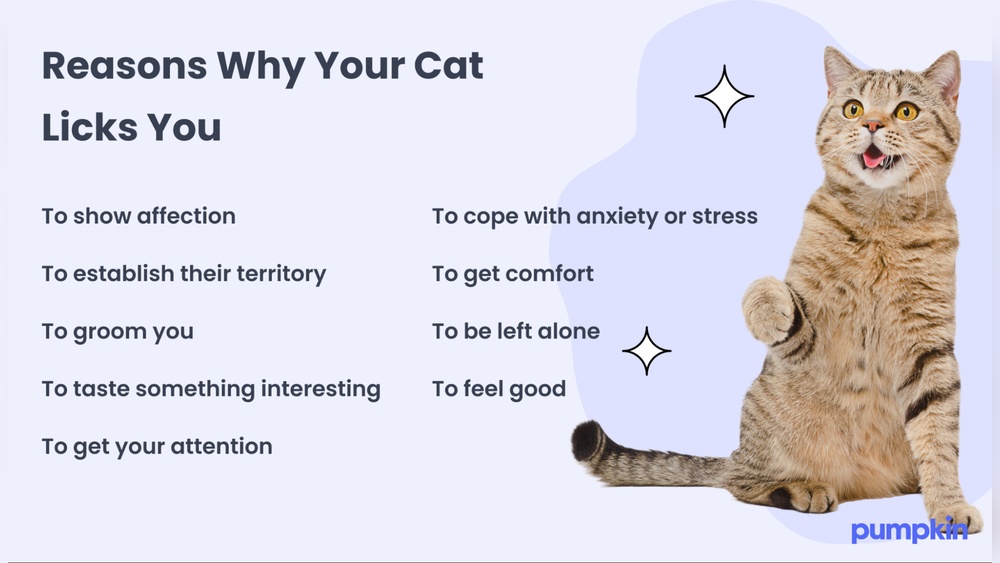
Have you noticed your old cat constantly licking and grooming itself more than usual? It can be puzzling—and sometimes worrying—to see your furry friend spend so much time cleaning.
You might wonder if this behavior is normal or a sign that something is wrong. Understanding why your senior cat is doing this can help you take better care of their health and comfort. Keep reading to discover the surprising reasons behind this habit and what you can do to help your beloved pet feel their best.
Credit: www.zoetispetcare.com
Normal Grooming Habits
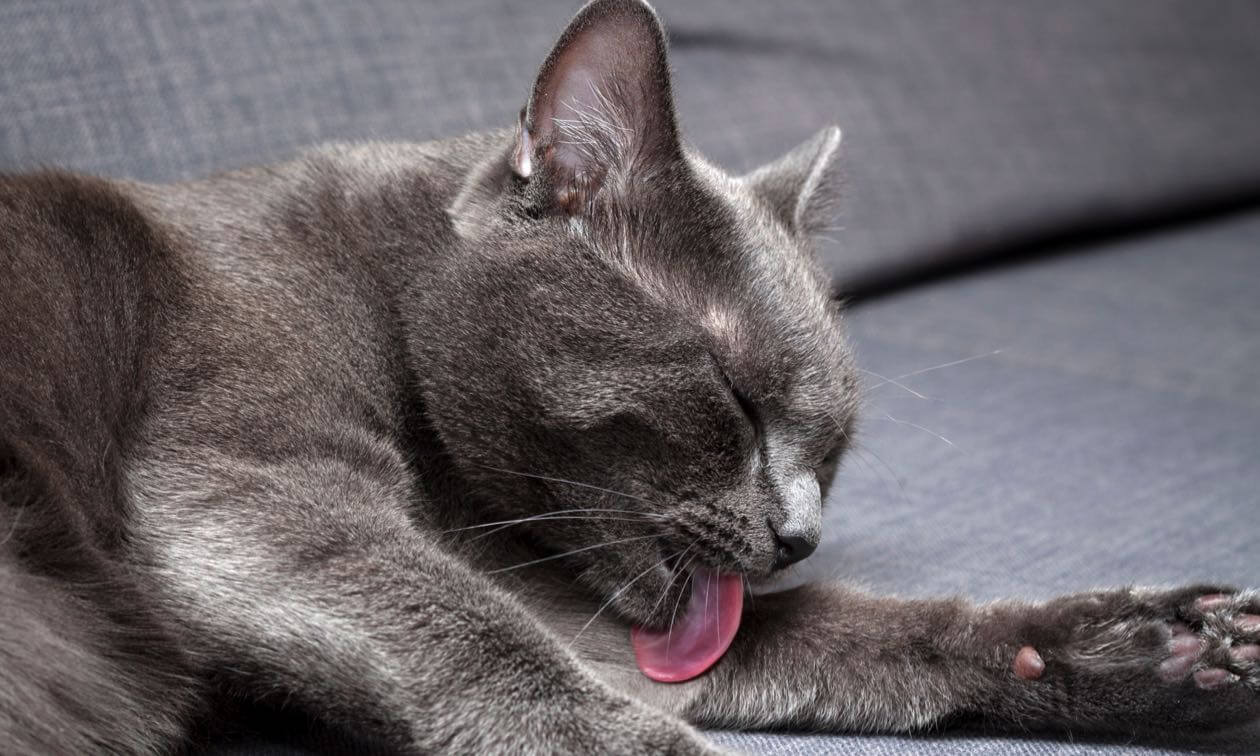
Cats spend a lot of time licking and grooming themselves every day. This behavior is normal and very important for their health. Grooming keeps their fur clean and helps them feel comfortable. For older cats, grooming habits may change but still play a key role in their daily routine.
Purpose Of Grooming In Cats
Grooming helps cats remove dirt and loose fur. It also spreads natural oils across their coat. These oils keep their fur soft and shiny. Grooming cools cats in hot weather by spreading saliva on the skin. It also helps reduce stress and calm their nerves. Licking stimulates blood flow and helps heal small wounds.
Changes With Age
Older cats may groom more or less than before. Some might lick more to soothe discomfort or pain. Others may groom less due to arthritis or stiffness. Less grooming can cause matted fur or skin problems. Watch your cat’s grooming habits closely. Changes can signal health issues that need attention.
Common Causes Of Excessive Licking
Excessive licking in older cats can signal different issues. Understanding the common causes helps in giving your cat the right care. Cats lick to clean themselves, but too much licking needs attention. This section explains why your old cat might be licking and grooming more than usual.
Skin Irritations And Allergies
Skin irritations often cause cats to lick a lot. Allergies to food, dust, or pollen can make their skin itchy. Cats try to soothe the irritation by licking the affected areas. Constant licking can lead to hair loss or sores on the skin. Checking for red or inflamed spots can help identify the problem.
Parasites And Fleas
Parasites like fleas cause intense itching in cats. Flea bites are painful and lead to continuous licking and scratching. Older cats may have weaker immune systems, making them more sensitive. Regular flea control is essential to prevent infestations. Look for flea dirt or small moving insects on your cat’s fur.
Pain Or Discomfort
Pain in joints or muscles can cause cats to lick certain spots. Older cats often suffer from arthritis or injuries. Licking acts as a way to ease discomfort or numb pain. Watch for changes in movement or behavior along with licking. A vet visit can diagnose pain-related issues accurately.
Behavioral Reasons
Old cats may lick and groom themselves more due to behavior. These actions often show how your cat feels inside. Understanding why helps you care better for your pet. Behavioral reasons are common causes of increased licking and grooming. They are linked to your cat’s feelings and environment.
Stress And Anxiety
Stress can make cats lick and groom more than usual. Changes in the home or loud noises can cause stress. Cats use grooming to calm themselves down. It is a way to feel safe and relaxed. Too much licking might mean your cat feels nervous or scared. Watch for signs like hiding or restlessness too.
Boredom And Attention Seeking
Old cats might lick and groom to fight boredom. Lack of toys or playtime can make them restless. Grooming gives them something to do. Sometimes, cats lick to get your attention. They want to be noticed or petted. Spend time playing or cuddling to help reduce this behavior.
Credit: monsieurgroomer.com
Health Issues Linked To Grooming
Excessive grooming in older cats often signals health problems. Grooming is normal, but too much can mean discomfort or illness. Watch for changes in behavior or fur condition. Understanding health issues linked to grooming helps you care better for your cat.
Dermatological Conditions
Skin problems cause cats to lick and groom a lot. Allergies, infections, or parasites irritate the skin. Cats try to relieve itching by licking. This can cause hair loss or sores. Check your cat’s skin regularly for redness or bumps.
Arthritis And Mobility Problems
Older cats with arthritis may groom less in some areas. Pain in joints makes reaching difficult. They focus on easy-to-reach spots, licking more there. Sometimes, grooming increases to soothe sore joints. Watch for stiffness or limping during movement.
Cognitive Dysfunction
Brain aging can change grooming habits. Cats may groom too much or too little. Confusion or stress triggers repetitive licking. This behavior helps them feel calm. Cognitive issues need a vet’s attention to improve comfort.
When To Consult A Veterinarian
Old cats often lick and groom themselves more than usual. This behavior can be normal or a sign of a health problem. Knowing when to consult a veterinarian helps keep your cat healthy and comfortable. Early vet visits catch issues before they get worse.
Warning Signs To Watch For
Look for bald spots or red, irritated skin. Constant scratching or licking can mean fleas or allergies. Notice if your cat seems restless or in pain. Weight loss or changes in appetite also matter. These signs need immediate veterinary attention.
Diagnostic Approaches
The vet will examine your cat’s skin and coat closely. They may check for parasites like fleas or mites. Blood tests help find infections or allergies. Skin scrapings reveal fungal or bacterial infections. Proper diagnosis leads to the right treatment fast.
Managing Excessive Grooming
Managing excessive grooming in older cats requires a careful and gentle approach. This behavior may signal stress, discomfort, or health issues. Understanding the root cause helps provide the right care.
Changes in environment, health, or mood can increase grooming habits. Offering support can reduce stress and improve your cat’s well-being. Below are some ways to manage this behavior effectively.
Environmental Enrichment
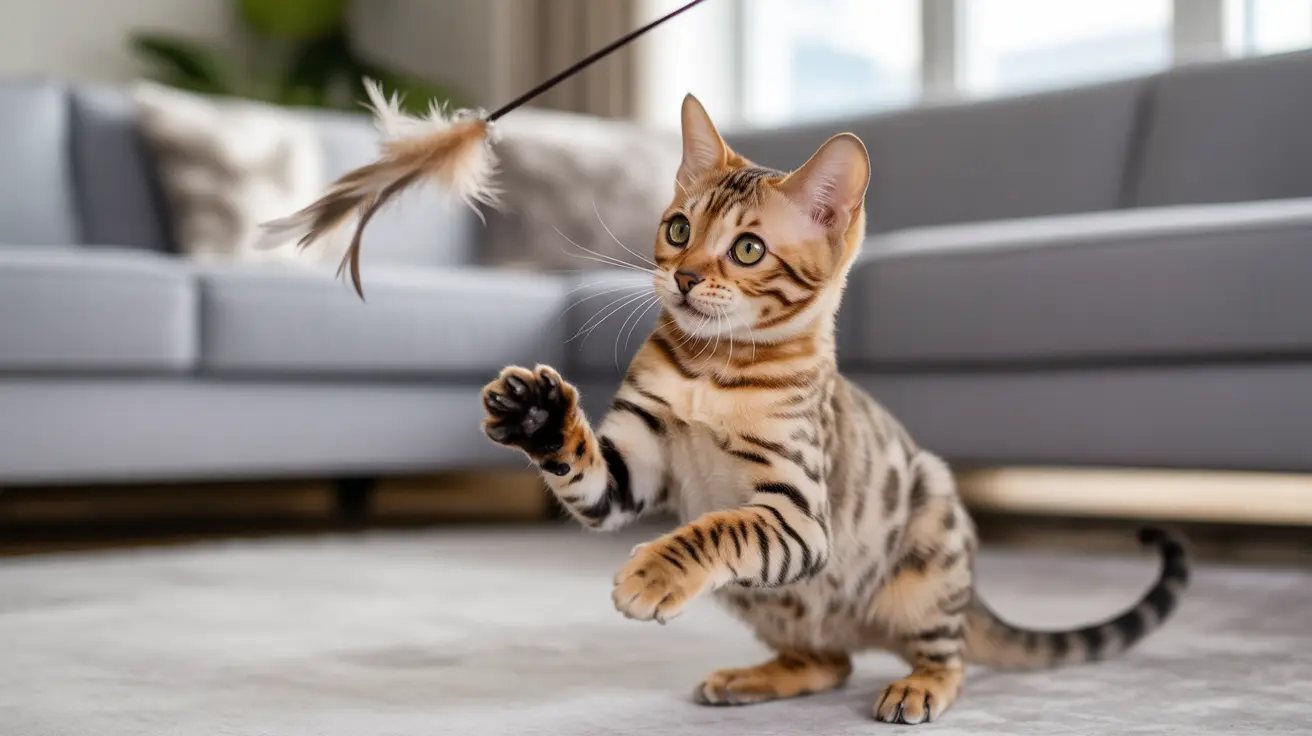
Provide toys and scratching posts to keep your cat busy. New scents and safe outdoor views can stimulate their senses. Regular playtime helps reduce boredom and anxiety. A calm and stable environment lowers stress and grooming urges.
Medical Treatments
Visit a vet to rule out skin problems or allergies. Parasites like fleas can cause itching and licking. Medication or special shampoos may be needed. Treating pain or arthritis can also reduce grooming caused by discomfort.
Behavioral Interventions
Use gentle distractions to break the grooming cycle. Offer treats or affection at different times of the day. Training with positive reinforcement can change habits. Monitor your cat’s behavior to adjust care as needed.
Credit: www.petscare.com
Frequently Asked Questions
Why Does My Old Cat Lick Excessively?
Excessive licking in old cats often signals stress, pain, or skin issues. It can also indicate allergies or parasites. Consult a vet to identify the exact cause and provide proper treatment to ensure your cat’s comfort and health.
Is Frequent Grooming Normal For Senior Cats?
Senior cats groom more to maintain cleanliness and soothe arthritis discomfort. However, excessive grooming may suggest health problems like skin infections or anxiety. Monitor your cat’s behavior and consult a vet if grooming seems excessive or causes bald patches.
Can Licking Be A Sign Of Pain In Old Cats?
Yes, licking can indicate pain, especially from arthritis or injury. Cats often lick sore areas to self-soothe. If your cat licks one spot persistently, seek veterinary advice to diagnose and manage underlying pain.
How To Stop My Cat’s Constant Licking And Grooming?
Identify the cause first—stress, allergies, or pain. Use vet-recommended treatments, calming aids, or medication. Provide a comfortable environment and regular checkups to reduce excessive licking and improve your cat’s well-being.
Conclusion
Old cats lick and groom to stay clean and comfortable. It can also mean they feel itchy or stressed. Watch for signs of skin problems or fleas. Regular vet visits help keep your cat healthy. Offer gentle care and a calm space.
Understanding your cat’s behavior builds trust. Keep an eye on changes in grooming habits. This helps catch any health issues early. Your cat depends on you for care and comfort. Small actions make a big difference in their life.