
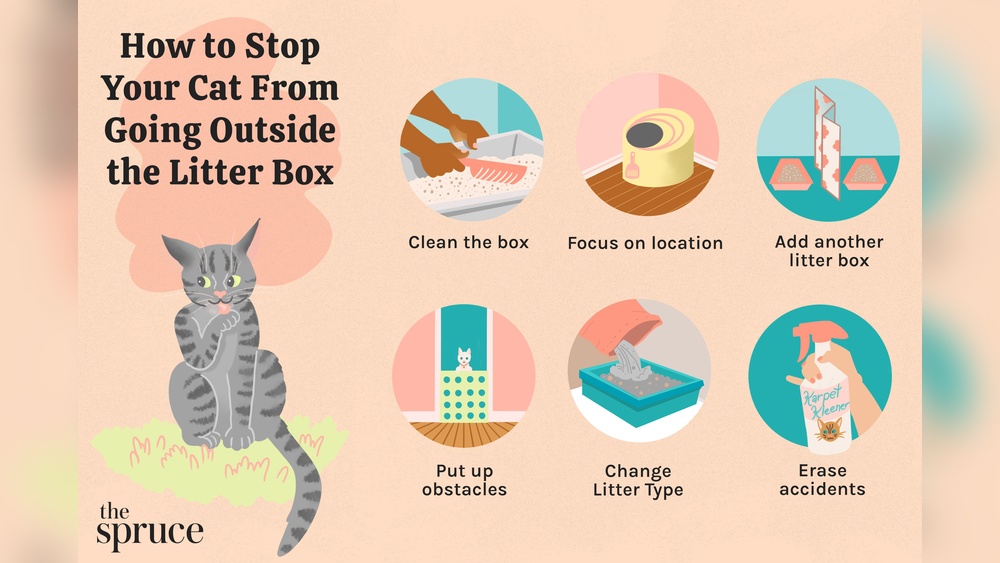
You’ve worked hard to potty train your cat, so why is your furry friend suddenly peeing in the house? It’s frustrating, confusing, and honestly, a bit upsetting.
You might be wondering if something is wrong with your cat or if you missed a step along the way. The truth is, there are several reasons why this behavior can happen, and understanding them is the key to fixing the problem fast.
Keep reading to discover what might be causing your cat’s accidents and how you can get back to a clean, stress-free home.
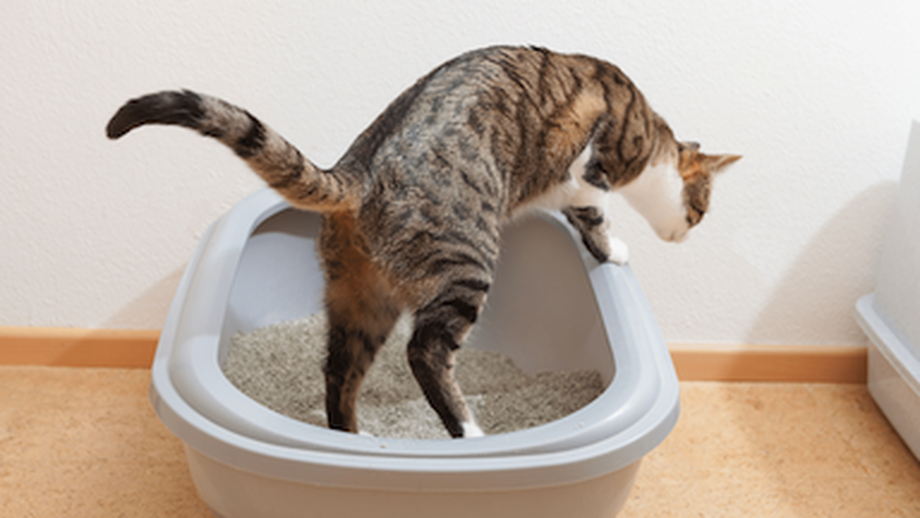
Credit: www.thecatvet.co.uk
Common Reasons For Indoor Peeing
Indoor peeing by a potty trained cat can be frustrating. Understanding why your cat behaves this way helps solve the problem. Several common reasons cause this behavior. Identifying the cause is the first step to stop it.
Medical Issues To Consider
Health problems often cause cats to pee indoors. Urinary tract infections make it painful to use the litter box. Kidney disease or bladder stones can also lead to accidents. If your cat pees outside the box suddenly, visit the vet. Early diagnosis can prevent serious health issues.
Stress And Anxiety Triggers
Stress affects cats deeply and changes their habits. New pets, visitors, or loud noises may trigger anxiety. Changes in routine or environment can confuse cats. Stress makes cats avoid the litter box. Create a calm space and keep a routine to help your cat feel safe.
Territorial Marking Behavior
Marking territory is common in cats, especially males. They use pee to claim their space. New animals or changes in the home can cause marking. Neutering reduces this behavior in many cats. Clean marked areas well to discourage repeat marking.

Credit: www.amazon.sg
Environmental Factors Affecting Behavior
Environmental factors play a big role in a cat’s behavior. Changes in the surroundings can confuse or stress your cat. This stress can cause your potty trained cat to pee in the house again. Understanding these factors helps solve the problem faster.
Changes In Household Routine
Cats like routine. Sudden changes upset them. Moving furniture or loud noises can cause stress. Your cat may start peeing outside the litter box. Even small changes can affect their comfort. Keep a steady routine to help your cat feel safe.
Litter Box Problems
A dirty or smelly litter box can repel cats. Cats want a clean place to pee. If the box is too small or in a noisy spot, they may avoid it. Using the wrong type of litter can also bother cats. Check the box often and clean it well.
New Pets Or Family Members
Introducing new pets or people can stress your cat. They may feel threatened or scared. This fear can cause accidents outside the litter box. Your cat needs time to adjust to new family members. Give them space and comfort during this change.
Behavioral Causes Behind Accidents
Behavioral causes often explain why a potty trained cat starts peeing in the house. Cats rely on habits and feelings about their environment. Changes or stress can make them act out and have accidents.
Understanding these behaviors helps solve the problem faster. It also improves your cat’s comfort and your home’s cleanliness.
Negative Associations With Litter Box
Cats may link the litter box with bad experiences. Loud noises near the box or a dirty tray can cause fear. A painful urination can make cats avoid the litter box. They choose other places to relieve themselves.
Attention-seeking Actions
Sometimes cats pee outside the box to get attention. If they feel ignored, this behavior can increase. Even scolding might encourage them to repeat it. They want to be noticed, no matter what.
Age-related Changes
Older cats can have trouble controlling their bladder. Memory and health issues affect their habits. They may forget where their litter box is or find it hard to use. This can lead to accidents in the house.
Steps To Address Indoor Peeing
Indoor peeing by a potty trained cat can be frustrating. It often signals an issue that needs attention. Taking clear steps can help stop this behavior. Understanding the cause is key. This section covers practical actions to address indoor peeing effectively.
Veterinary Checkups And Treatments
Start by visiting the vet. Medical problems often cause sudden peeing inside. Urinary tract infections and bladder stones are common culprits. The vet can run tests to find health issues. Treatment may include medicine or special diets. Early care can prevent serious problems. Always follow the vet’s advice closely.
Improving Litter Box Setup
Check the litter box environment. Cats dislike dirty or small boxes. Clean the litter box daily. Use unscented, clumping litter for best results. Place boxes in quiet, easy-to-reach spots. Avoid areas near loud machines or busy rooms. Provide one box per cat, plus one extra. This reduces competition and stress.
Reducing Stress And Anxiety
Stress can cause your cat to pee indoors. Changes at home might upset your cat. New pets, visitors, or loud noises are triggers. Create a calm space with hiding spots. Use calming sprays or diffusers made for cats. Spend time playing to help your cat relax. A calm cat is less likely to pee inside.
Preventing Future Accidents
Preventing future accidents is key to keeping your home clean and your cat happy. Understanding your cat’s needs and habits helps reduce unwanted peeing outside the litter box. Small changes can make a big difference in stopping accidents.
Consistent Routine And Environment
Keep your cat’s feeding and litter cleaning times regular. Cats like routine and feel safer with predictability. Place the litter box in a quiet, easy-to-access area. Avoid moving it often to prevent confusion. Use the same type of litter your cat prefers. Sudden changes can cause stress and accidents.
Positive Reinforcement Techniques
Reward your cat with treats or praise for using the litter box. Positive rewards encourage good behavior. Avoid punishment; it can cause fear and worsen the problem. Offer gentle petting or playtime after successful litter use. This builds trust and promotes good habits.
Monitoring Behavioral Changes
Watch for signs of stress or health problems. Changes in appetite, activity, or mood can affect bathroom habits. Consult a vet if accidents continue or new symptoms appear. Early detection of illness can prevent accidents. Keep a diary of your cat’s behavior for better insight.

Credit: www.amazon.com
Frequently Asked Questions
Why Is My Potty Trained Cat Suddenly Peeing Indoors?
Sudden indoor peeing often signals stress, illness, or litter box issues. Cats dislike dirty or inaccessible litter boxes. Rule out medical problems by consulting a vet promptly.
Can Medical Issues Cause A Trained Cat To Pee Inside?
Yes, urinary tract infections, bladder stones, or kidney problems can cause accidents. Always get a vet check to rule out health causes before behavior training.
How Can Stress Make My Cat Pee Outside The Litter Box?
Stress from changes like new pets, moving, or loud noises can trigger inappropriate urination. Provide a calm environment and extra litter boxes to reduce anxiety.
What Litter Box Problems Cause Cats To Urinate In The House?
Cats avoid dirty, small, or hard-to-access litter boxes. Scoop daily, use unscented clumping litter, and place boxes in quiet, accessible spots to encourage use.
Conclusion
A potty-trained cat peeing inside can be confusing and stressful. Stress, health issues, or changes at home often cause this behavior. Watch your cat closely and check for signs of illness. Keep the litter box clean and in a quiet place.
Patience and care help your cat feel safe again. Small changes can make a big difference. Remember, your cat needs your understanding and support. This problem usually improves with time and attention. Stay calm and keep trying.