
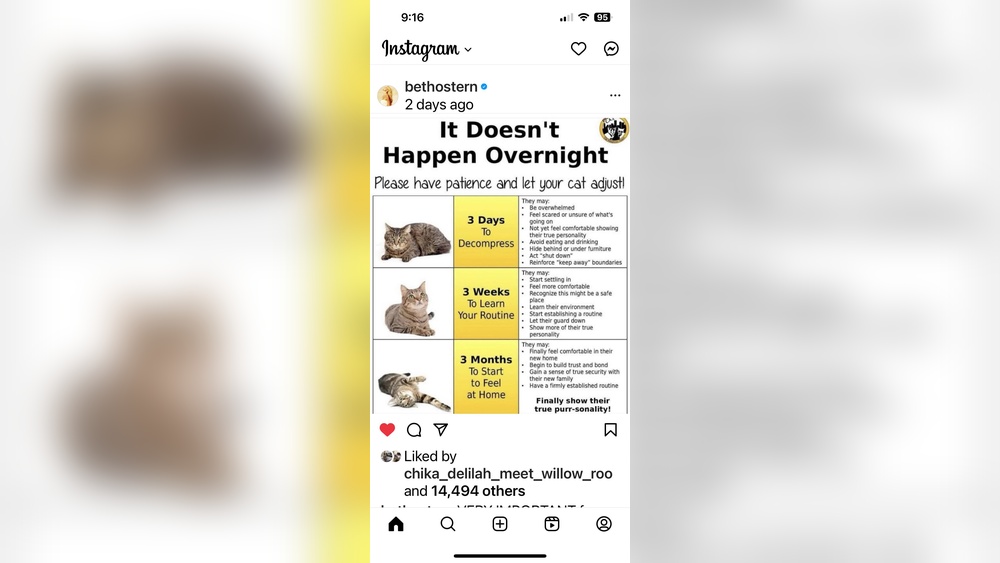
Have you ever bought a new toy for your cat, only to watch it ignore the gift completely? It can be confusing and even a little frustrating when your furry friend shows no interest in playing.
You might wonder if something is wrong or if your cat just doesn’t like toys at all. Understanding why your cat isn’t interested in toys can help you find the right way to spark their curiosity and bring back the fun.
Keep reading to discover the surprising reasons behind your cat’s behavior and how you can turn playtime into a favorite part of their day.
Credit: caticles.com
Common Reasons Cats Ignore Toys
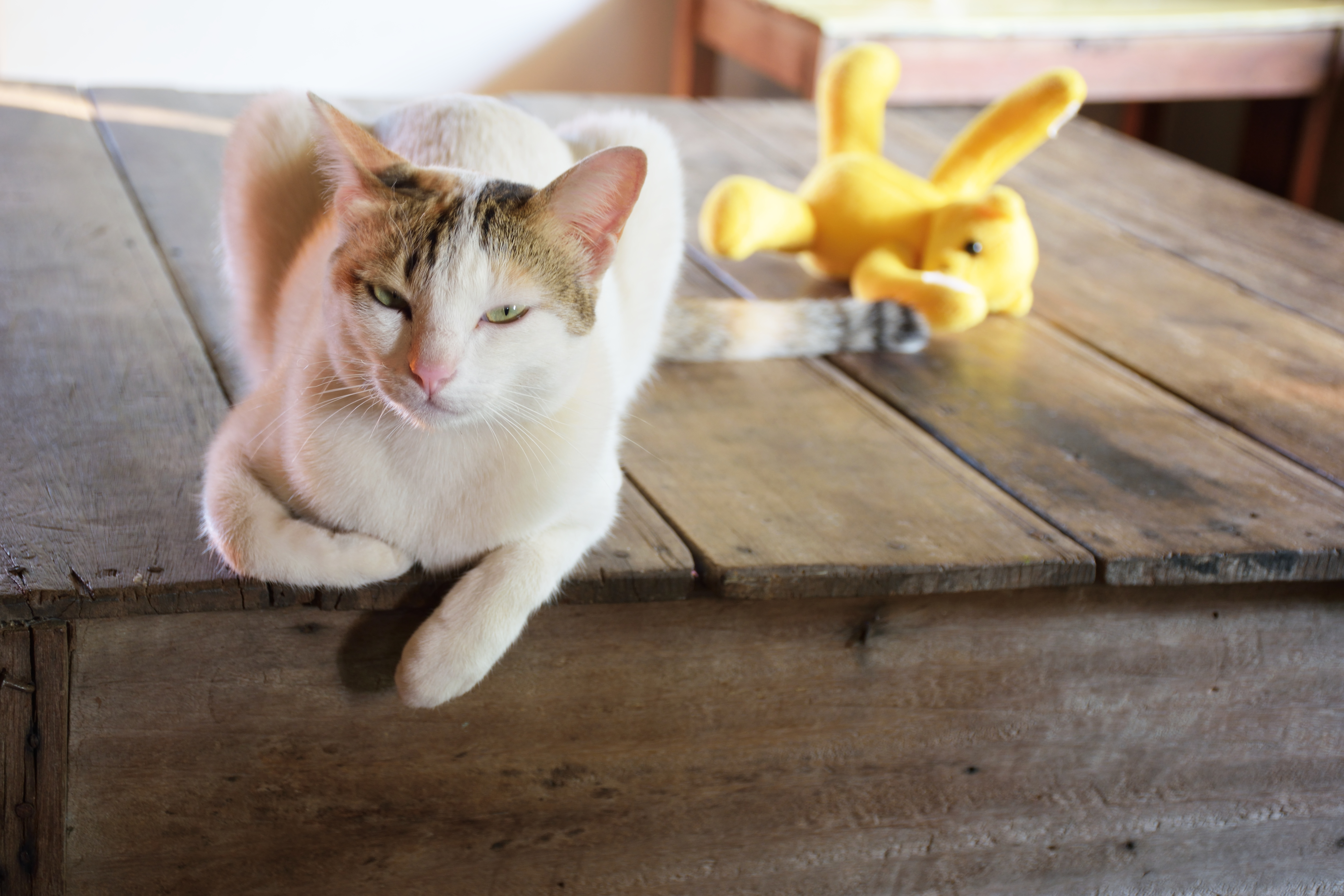
Cats may ignore toys for several reasons. Understanding these can help improve playtime. Each cat has unique likes and needs. Observing your cat’s behavior offers clues to their disinterest in toys.
Preference For Real Prey
Cats have strong hunting instincts. Toys do not always match the thrill of real prey. Movements, smells, and sounds of live animals attract cats more. Static or predictable toys may fail to hold their attention.
Lack Of Stimulation
Toys that lack variety or excitement bore cats quickly. Cats need toys that move unpredictably or make noise. Repetition with the same toy reduces interest. Changing toys often keeps your cat curious and active.
Health Issues
Health problems can lower a cat’s energy and play drive. Pain, arthritis, or dental issues make play uncomfortable. If your cat suddenly stops playing, check for health concerns. A vet visit may be necessary to rule out problems.
Credit: www.ovrs.com
Impact Of Age And Personality
The interest of a cat in toys often depends on its age and personality. These two factors shape how cats play and interact with their environment. Understanding them helps explain why some cats ignore toys.
Age changes energy levels and curiosity in cats. Personality affects how much a cat enjoys activity and stimulation. Both aspects influence toy interest greatly.
Kitten Vs Adult Cat Behavior
Kittens are naturally curious and full of energy. They love chasing, pouncing, and exploring new toys. Playtime helps kittens develop hunting skills and coordination.
Adult cats often have lower energy levels. They may prefer resting or short play sessions. Some adults lose interest in toys due to health or past experiences.
Older cats tend to play less but still enjoy gentle, slow-moving toys. Understanding these changes helps choose the right toys for each life stage.
Introverted Vs Active Cats
Active cats seek constant stimulation and love interactive toys. They enjoy chasing balls, feathers, or laser pointers.
Introverted cats prefer quiet and calm environments. They may ignore noisy or fast toys.
These cats often enjoy soft toys or gentle petting more than active play. Respecting a cat’s personality improves their comfort and happiness.
Toy Design And Appeal
Cats often ignore toys because the design does not attract them. Toy design and appeal play a big role in catching a cat’s interest. Cats react to different shapes, colors, and features. Some toys may not trigger their natural hunting instincts. Understanding what makes a toy appealing can help you pick better options for your cat.
Texture And Movement
Cats love toys with interesting textures. Soft, fuzzy, or rough surfaces can mimic real prey. Movement is also very important. Toys that wiggle, bounce, or flutter attract attention fast. Cats chase moving objects because it reminds them of hunting. Still toys may seem boring and get ignored quickly. Try toys that move unpredictably or can be pushed around.
Scent And Sound Factors
Many cats respond to scents and sounds in toys. Catnip or valerian scents can make toys more exciting. Some cats prefer toys without strong smells. Sounds like bells or crinkling noises catch a cat’s ear. Quiet toys may not interest cats who like noise. Experiment with scented and noisy toys to find what your cat likes best.
Environmental Influences
Environmental factors affect your cat’s interest in toys. Cats need calm and comfort to enjoy playtime. Changes in their surroundings can make them shy away from toys. Understanding these influences helps improve your cat’s mood and activity.
Household Stress
Stress in the home can make cats avoid toys. Loud noises, new people, or moving furniture upset them. Stress causes anxiety, which lowers their play drive. A quiet, stable space helps cats feel safe. This safety encourages them to explore toys again.
Competition With Other Pets
Other pets can impact a cat’s play habits. Cats may feel threatened or less confident around others. They might hide or avoid toys to stay safe. Sharing toys can create tension between pets. Giving each pet their own toys reduces competition and stress.
Techniques To Boost Toy Interest
Boosting your cat’s interest in toys can make playtime fun again. Cats need variety and engagement to stay curious. Simple changes in play habits can help your cat enjoy toys more. Try different ways to interact and introduce new toys regularly. These techniques keep your cat active and happy.
Interactive Playtime Tips
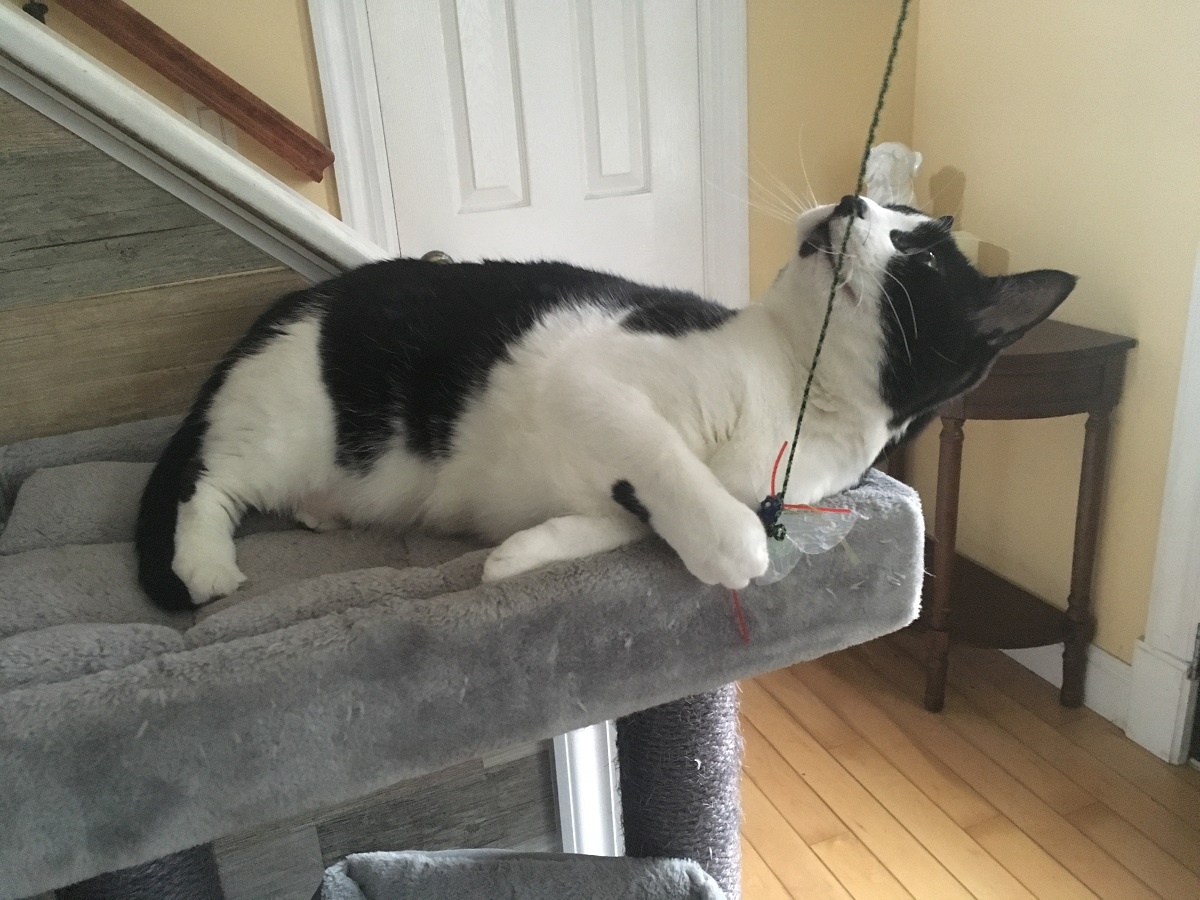
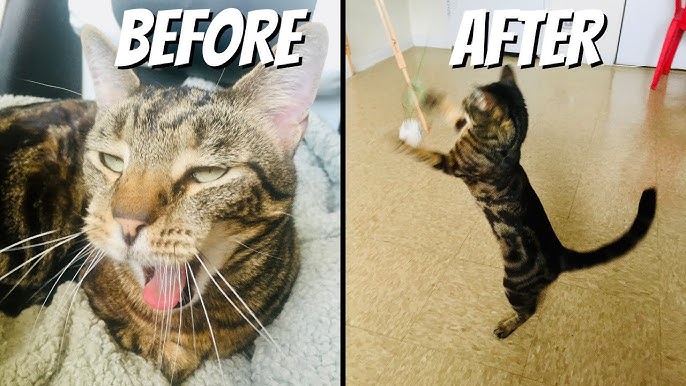
Spend time playing with your cat using toys like feathers or strings. Move toys slowly, then quickly to catch their attention. Let your cat chase, pounce, and grab the toy. Use your voice to encourage your cat during play. Short, frequent sessions work better than long ones. This interaction builds trust and makes play exciting.
Rotating And Introducing New Toys
Keep toys fresh by rotating them every few days. Hide some toys and bring new ones out to spark interest. Different shapes, textures, and sounds attract your cat’s attention. Watch which toys your cat likes and offer similar ones. This method prevents boredom and keeps your cat curious about toys.
When To Consult A Veterinarian
Sometimes, a cat’s lack of interest in toys signals a health or behavior problem. Knowing when to seek help from a veterinarian is important. A vet can find hidden issues that stop your cat from playing. Early action can improve your cat’s quality of life and bring back its playful side.
Watch your cat closely. Changes in behavior or energy levels may need medical attention. Your vet will check for pain, illness, or other problems affecting playfulness.
Recognizing Behavioral Changes
Look for sudden shifts in your cat’s habits. Does your cat hide more or avoid contact? Has it stopped grooming or eating well? These signs may show stress or illness. A cat that once loved toys but now ignores them might be unwell. Behavioral changes often come before visible symptoms. Noticing these can help catch problems early.
Health Checks For Playfulness
Veterinarians check your cat’s body and health carefully. They look for pain in joints or mouth, common in older cats. They may test for infections or illnesses that reduce energy. A vet can suggest treatments or changes to improve your cat’s mood. Regular health checks keep your cat active and happy. Don’t wait too long; play is part of good health.
Credit: www.youtube.com
Frequently Asked Questions
Why Isn’t My Cat Interested In Toys Anymore?
Cats may lose interest in toys due to boredom or lack of stimulation. Rotate toys regularly to keep them engaged. Also, consider your cat’s age and health, as older or sick cats may show less playfulness.
How Can I Make Toys More Appealing To My Cat?
Use interactive toys that mimic prey movements to attract your cat. Adding catnip or using toys that make sounds can increase interest. Play with your cat regularly to encourage interaction and excitement.
Could My Cat’s Age Affect Toy Interest?
Yes, older cats often show less enthusiasm for toys. They may prefer gentle play or rest more. Adjust toy types and playtime to match your cat’s energy level and physical condition.
Does My Cat’s Breed Influence Toy Preferences?
Different breeds have varied play styles and energy levels. Some breeds are more active and curious, while others prefer calm activities. Understanding your cat’s breed can help choose suitable toys and play methods.
Conclusion
Cats have their own likes and dislikes with toys. Some prefer quiet time or different activities. Age, health, and mood can affect their play. Trying new toys or changing play style helps. Patience and attention show your cat you care.
Enjoy the moments, even if play is slow. Every cat is unique and special in their way. Keep observing and adapting to their needs. This builds trust and strengthens your bond. Play should be fun for both you and your cat.