

Have you ever wondered why store shelves are packed with more toys and treats for dogs than for cats? If you’re a pet owner, you might have noticed this too.
It’s not just a coincidence—there are real reasons behind this difference. Understanding why dogs seem to get more fun and tasty options can help you make better choices for your furry friend. Keep reading, and you’ll discover surprising facts that might change the way you shop for your pet forever.
Credit: www.amazon.com
Pet Market Trends
The pet market has grown a lot in recent years. More people treat pets like family members. This change affects what owners buy for dogs and cats. Trends show a clear difference in spending on dogs versus cats. These trends explain why toys and treats for dogs are more common.
Dogs often get more products made just for them. Owners spend a lot on keeping dogs happy and healthy. Cats have their own special items, but the market is smaller. Understanding these trends helps explain the variety in pet products today.
Spending Patterns On Dogs Vs Cats
Dog owners spend more money on toys and treats than cat owners. Dogs need more physical activity, so toys are popular. Treats help train dogs and reward good behavior. Cat owners spend mostly on food and litter. Toys for cats exist but are less varied. Dogs get more special products for exercise and fun.
Popular Products For Dogs
Toys for dogs include chew toys, balls, and interactive puzzles. Treats vary from biscuits to dental chews. Dog owners also buy collars, harnesses, and grooming tools. Many products focus on keeping dogs active and healthy. Safety and training items are popular among dog owners.
Popular Products For Cats
Cat toys often include feathers, lasers, and small balls. Treats are usually soft or crunchy bites. Cat owners buy scratching posts and comfortable beds. Many products focus on indoor cats’ comfort and stimulation. Cats enjoy toys that mimic hunting or movement.

Credit: www.petfoodprocessing.net
Behavioral Differences
Dogs and cats behave very differently. These differences explain why dogs often have more toys and treats. Understanding their behavior helps us see why dogs need more play and rewards.
Dogs are active and social animals. Cats tend to be more independent and calm. These traits shape how they enjoy toys and treats.
Activity Levels In Dogs And Cats
Dogs usually have high energy. They love running, fetching, and exploring. Toys keep dogs busy and happy. Cats are less active. They enjoy short bursts of play but rest more. Cats prefer simple toys and fewer treats.
Social Needs Of Dogs
Dogs are pack animals. They like being with people and other dogs. Toys and treats help build bonds. Playing together is important for dogs’ happiness. Treats reward good behavior and training efforts.
Independent Nature Of Cats
Cats enjoy their own space. They often play alone and on their terms. Cats do not need constant attention. Simple toys satisfy their curiosity. Treats are given less often as rewards or special snacks.
Human Preferences
Human preferences shape how we treat dogs and cats. These preferences affect the toys and treats we buy for them. People often see dogs and cats very differently. This changes the way we care for each pet.
Emotional Bonds With Dogs
Dogs often form strong emotional bonds with their owners. They show excitement and affection openly. This makes people feel close and connected to dogs. Owners respond with more toys and treats to keep dogs happy. The bond feels like a friendship or partnership. This connection encourages people to spend more on dogs.
Perception Of Dogs As Family Members
Many people think of dogs as part of the family. Dogs join in family activities and routines. This view leads to treating dogs like children. Families buy special toys and treats as gifts. Dogs get attention similar to human family members. This perception grows the demand for dog products.
Cats As Low-maintenance Pets
Cats are often seen as low-maintenance pets. They require less attention and playtime than dogs. People believe cats are more independent and need fewer toys. Cats get fewer treats because they seem less expressive. This perception means fewer products are made for cats. Owners may also buy fewer items, thinking cats need less.
Product Development Challenges
Product development for pet toys and treats faces many challenges. Different needs and behaviors of dogs and cats make design complex. Manufacturers must think about how each animal plays and eats. Safety is a top concern. Creating products that are fun and safe is not easy.
Designing Toys For Dogs
Dog toys must be strong and durable. Dogs bite hard and chew a lot. Toys need to survive rough play without breaking. Sizes vary from small to large breeds. Some dogs like fetch, so balls and frisbees are common. Others enjoy tug toys or chew bones. Designers must consider these different play styles. Materials should be tough but non-toxic.
Designing Toys For Cats
Cat toys need to be light and small. Cats prefer toys they can bat or chase. Many enjoy toys that mimic prey, like mice or feathers. Cats use claws, not strong jaws, so toys don’t need to be as durable. Movement and noise attract cats more than size. Designers focus on creating toys that stimulate hunting instincts. Toys must be easy to carry and safe to swallow.
Safety Considerations
Safety is critical for all pet products. Small parts can cause choking hazards. Non-toxic materials prevent poisoning. Toys must not splinter or break easily. Treats need safe ingredients for digestion. Each pet species has different risks. Testing products thoroughly helps avoid accidents. Regulations guide what is safe for pets. Owners trust brands that prioritize safety.
Marketing Strategies
Marketing strategies shape how pet products reach buyers. Companies study pet owners and their habits. They create ads and products that speak directly to these groups. This focus impacts why dog toys and treats outnumber those for cats. Different approaches target dog and cat owners.
Target Audiences For Dog Products
Dog owners often see pets as family members. They want to keep dogs active and happy. This group buys toys for play and training. Treats help with rewards and health. Marketing shows dogs as loyal and playful. Ads highlight bonding moments between dogs and owners. This creates strong emotional appeal. Dog owners respond well to messages about fun and care.
Target Audiences For Cat Products
Cat owners tend to appreciate independence in their pets. Cats are seen as calm and mysterious. Ads focus on comfort and convenience. Products highlight easy care and relaxation. Toys for cats often emphasize mental stimulation. Treats promote health without fuss. Marketing aims at owners who want low-maintenance options. This audience buys less frequently but values quality.
Advertising Impact On Consumer Choices
Advertisements influence what buyers believe pets need. Bright, active images attract dog owners more. Stories of training and play boost dog product sales. Cat ads use softer tones and quiet scenes. This suits cats’ calm nature. Visuals and messages shape buying habits. Dog products get more attention due to lively ads. Cat products appeal to fewer but loyal buyers. Advertising sets expectations and drives demand in pet markets.
Future Trends
The pet care market is shifting fast. Trends show new products and ideas for both cats and dogs. Pet owners want better toys and treats that fit their pets’ needs. These changes could balance the options available for cats and dogs soon.
Emerging Products For Cats
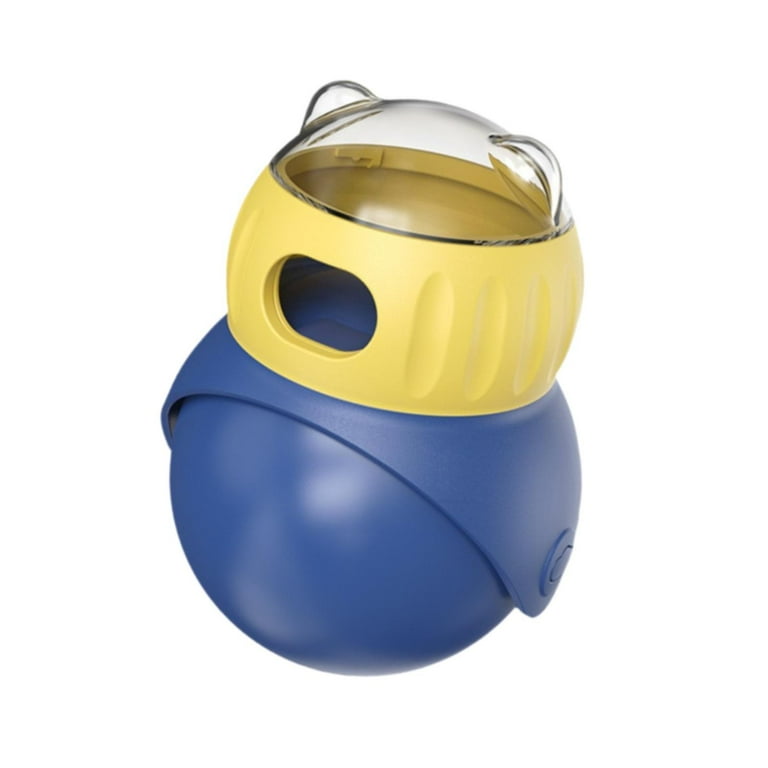
Cat toys are becoming more interactive. Smart toys that move or make sounds attract cats. Treats with health benefits are gaining popularity. Natural and organic ingredients are common. Cat furniture combines play and rest. These products help cats stay active and happy.
Innovations In Dog Toys
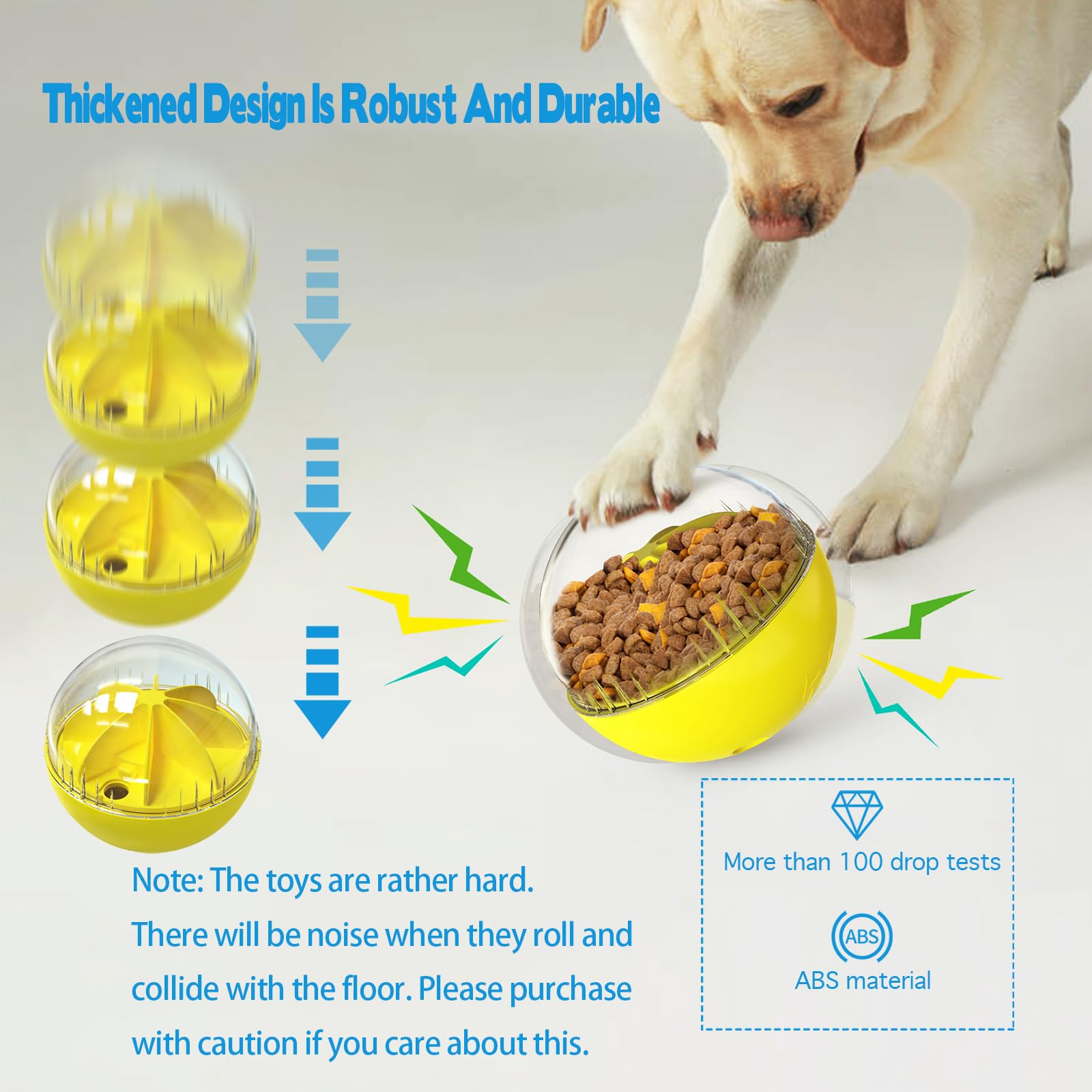
Dog toys now focus on mental and physical exercise. Puzzle toys challenge dogs’ minds. Durable chew toys last longer for strong chewers. Treat-dispensing toys keep dogs busy and motivated. Many toys use eco-friendly materials. These innovations support healthy and engaged dogs.
Shifts In Pet Ownership
More people adopt pets, especially dogs. Urban living encourages smaller, active dogs. Cat ownership also rises, but preferences differ. Younger owners seek eco-friendly and smart products. Pet owners treat pets like family members. This shift drives demand for varied toys and treats.
Credit: www.walmart.com
Frequently Asked Questions
Why Do Dogs Have More Toys Than Cats?
Dogs are generally more social and active, needing more toys to stay engaged. Cats prefer simpler, solitary play, so fewer toys suffice.
Are Dog Treats Different From Cat Treats?
Yes, dog treats have ingredients tailored to dogs’ nutritional needs. Cat treats focus on higher protein and specific nutrients for cats.
Do Dogs Require More Playtime Than Cats?
Dogs usually need more physical activity and mental stimulation, so they benefit from more toys and treats to keep them active.
How Do Dogs’ And Cats’ Play Styles Differ?
Dogs enjoy interactive and fetch-type toys, while cats prefer chasing and hunting toys, leading to varied toy availability.
Conclusion
Dogs need more toys and treats to stay happy and active. They enjoy chewing, playing, and exploring new things often. Cats prefer simpler toys and smaller treats for their quiet nature. Pet stores offer many dog products because of their high demand.
Understanding these differences helps pet owners choose better items. Giving pets the right toys and treats improves their health and mood. Remember, happy pets make happy homes. Keep their needs in mind when shopping next time. Simple choices can bring big joy to your furry friends.