
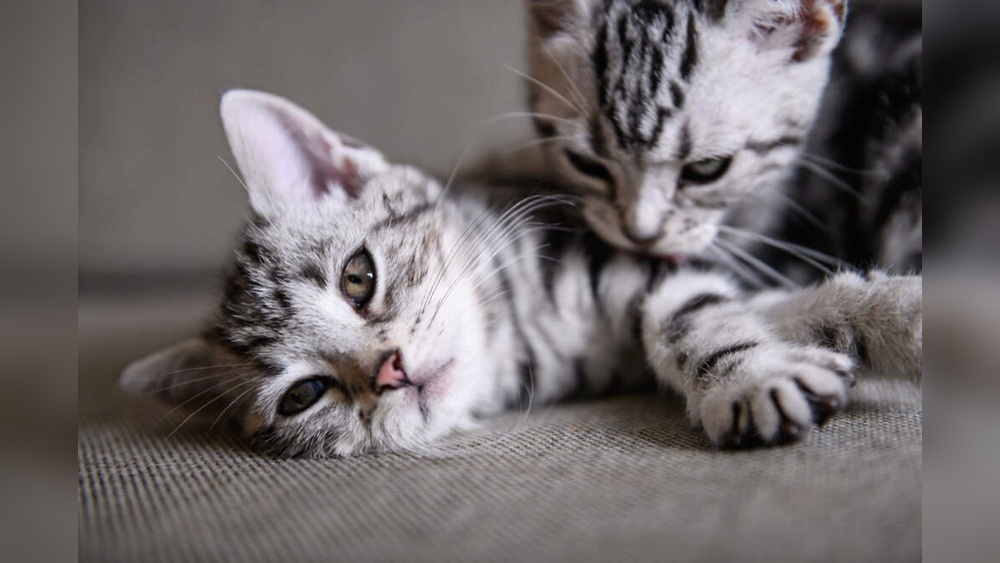
Have you ever watched your cats sitting side by side, yet never licking or grooming each other? You might wonder why they don’t share that sweet, bonding behavior you’ve heard about.
Understanding why your cats won’t groom each other can reveal a lot about their relationship, mood, and health. If you want to strengthen the bond between your furry friends or simply make sure they’re happy and comfortable, keep reading. This guide will help you uncover the surprising reasons behind their behavior and what you can do about it.
Grooming Behavior In Cats
Cats spend a lot of time grooming. It is a natural and important behavior. Grooming helps cats stay clean and healthy. It also plays a role in their social life. Understanding how cats groom can explain why they may not groom each other.
How Cats Usually Groom
Cats use their tongue to clean their fur. Their tongues have tiny, rough bumps. These help remove dirt and loose hair. Cats lick their paws and rub their faces too. This keeps hard-to-reach areas clean. Grooming also cools cats down on hot days. It is a way to relax and feel calm.
Social Grooming Among Cats
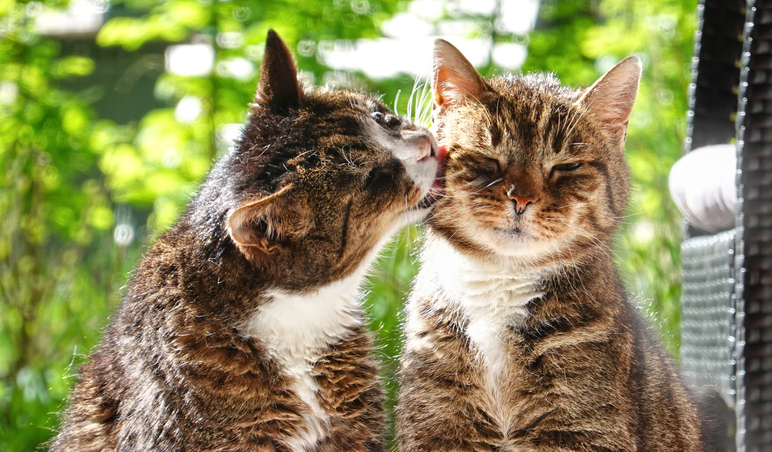
Some cats groom each other. This is called social grooming or allogrooming. It helps build trust and bonds between cats. They often groom areas they cannot reach, like the head and neck. Not all cats do this. Some prefer to groom themselves only. Personality and relationship affect social grooming. Cats that do not groom each other are not always unhappy. It may just be their way of showing care.
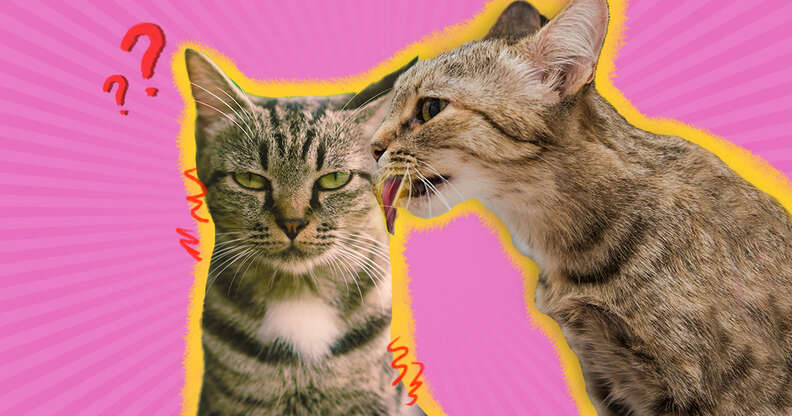
Credit: www.thedodo.com
Common Reasons Cats Avoid Grooming Each Other
Cats often groom each other to show affection and build trust. When they stop this behavior, it can confuse owners. Several common reasons explain why cats avoid grooming each other. Understanding these reasons helps improve their relationship and well-being.
Lack Of Bond Between Cats
Cats need a strong bond to groom each other. Without trust, they keep their distance. New cats or those who rarely interact may not feel close enough. Grooming is a sign of friendship, so a weak bond means less grooming.
Stress And Anxiety Factors
Stress can stop cats from grooming each other. Loud noises, changes at home, or new pets cause anxiety. When cats feel unsafe, they focus on self-care only. Stress makes social grooming less important for them.
Health Issues Affecting Grooming
Illness or pain can prevent cats from grooming others. If a cat feels unwell, it may hide or avoid contact. Skin problems or injuries also make grooming uncomfortable. Watch for signs of sickness if grooming stops suddenly.
Territorial Behavior
Some cats are very territorial and guard their space. They may avoid grooming to keep others away. Dominant cats might refuse grooming to show control. Territorial behavior reduces friendly interactions between cats.
Environmental Influences On Grooming
Environmental factors often affect how cats groom each other. Cats feel safe and relaxed when their surroundings are calm. If their environment changes, grooming habits may change too. Understanding these influences can help you see why your cats might not groom each other.
Impact Of Living Space
Small or crowded living spaces can stress cats. They may avoid close contact, like grooming. Cats need personal space to feel comfortable. A cluttered area can cause tension, making grooming less likely. Clean, quiet spaces encourage cats to interact more.
Changes In Routine Or Household
Cats like routine. Sudden changes in feeding times or daily activities can upset them. New sounds or strangers can cause anxiety. Stress from changes reduces grooming behavior. Keeping a steady routine helps cats feel secure and more social.
Presence Of Other Pets
New pets can disturb the harmony between cats. Competition or fear may stop grooming. Cats may feel threatened or jealous. They groom more when they trust each other. Introducing pets slowly helps build trust and increases grooming over time.
Personality Differences In Cats
Cats have unique personalities that affect how they behave with each other. These differences can explain why some cats do not groom each other. Grooming is a sign of trust and friendship, but not all cats show affection the same way.
Understanding their personalities helps in knowing their grooming habits. Some cats enjoy close contact, while others prefer to be alone. These traits shape their social interactions and grooming behaviors.
Introverted Vs. Social Cats
Introverted cats like quiet and solitude. They may avoid grooming others and prefer self-cleaning. Social cats seek attention and enjoy grooming friends. They use grooming to bond and show care.
Introverted cats may feel stressed by close contact. Social cats find comfort in group grooming. Personality plays a big role in whether cats groom each other.
Age And Grooming Habits
Young cats groom often and enjoy playing together. Older cats groom less and prefer calm times. Age affects energy levels and grooming needs.
Older cats might not groom others due to lower activity. Younger cats use grooming to learn and connect. Differences in age can change grooming habits between cats.
How To Encourage Mutual Grooming
Encouraging cats to groom each other can improve their relationship and reduce tension. Cats groom to show care and trust. When they don’t groom, helping them start can create a peaceful home. Small steps can make a big difference.
Building Stronger Bonds
Spend quiet time with both cats together. Play with them using toys they like. Let them share space calmly without pressure. Offer treats when they are near each other. This builds trust and comfort between cats.
Reducing Stress
Keep their environment calm and quiet. Loud noises and sudden changes can cause stress. Give each cat its own safe space to relax. Stress often stops cats from grooming each other. A calm cat is more likely to start grooming.
Health Checkups And Grooming Support
Visit the vet to check for health problems. Pain or skin issues can stop grooming. Regular brushing helps cats feel clean and comfortable. Grooming together can start after health is good. Clean cats are more willing to groom each other.
Credit: heartandpaw.com
When To Consult A Veterinarian
Not all cats groom each other, but a sudden stop in grooming can signal problems. Knowing when to see a vet helps keep your cat healthy. Some health and behavior issues need professional care. Acting early can prevent bigger issues later.
Signs Of Grooming-related Health Issues
Look for bald spots or scabs on your cat’s fur. Excessive licking or scratching may cause wounds. Dull or greasy fur can show poor health. Watch for skin redness or swelling. These signs suggest your cat may need a vet’s checkup.
Behavioral Concerns Needing Professional Help
Your cats may stop grooming each other due to stress or fear. Aggression between cats can stop grooming habits. If your cat hides or avoids others, it needs attention. Sudden changes in behavior often need a vet’s advice. Professional help can improve your cats’ comfort and bond.

Credit: doctorgroomer.com
Frequently Asked Questions
Why Won’t My Cats Groom Each Other?
Cats may not groom each other due to personality differences or lack of bonding. Stress, illness, or age can also affect their grooming behavior. Some cats prefer self-grooming and don’t feel the need to groom their companions.
Can Stress Stop Cats From Mutual Grooming?
Yes, stress can reduce mutual grooming in cats. Changes in environment, new pets, or loud noises can cause anxiety. Stress makes cats less social and less likely to groom each other.
Does Illness Affect Cats’ Grooming Habits?
Illness or pain can prevent cats from grooming themselves or others. If a cat suddenly stops grooming, it might be unwell. Veterinary care can help identify and treat health issues affecting grooming.
How Does Age Influence Cats’ Grooming Behavior?
Older cats may groom less due to arthritis or dental problems. Young cats often groom each other more as part of social bonding. Age impacts energy levels and comfort during grooming.
Conclusion
Cats may not groom each other for many reasons. Sometimes, they just prefer to be alone. Stress or illness can also stop grooming behavior. Each cat has its own personality and comfort level. Watching them closely helps you understand their needs.
Offering calm and safe spaces encourages friendly interactions. Patience is key as cats build trust over time. Keep their environment peaceful and provide regular care. This way, your cats can feel happy and healthy together.