
Have you ever noticed your cat licking itself more than usual? You might wonder, why would a cat over groom?
This behavior can seem harmless at first, but it could be a sign that your furry friend is stressed, uncomfortable, or even in pain. Understanding why your cat is over grooming is important because it helps you take better care of their health and happiness.
Keep reading to discover the surprising reasons behind this behavior and what you can do to help your cat feel calm and comfortable again.

Credit: www.reddit.com
Signs Of Over Grooming
Signs of over grooming in cats can reveal more than just a cleaning habit. It might show stress, pain, or health problems. Early detection helps your cat get the right care fast.
Common Symptoms
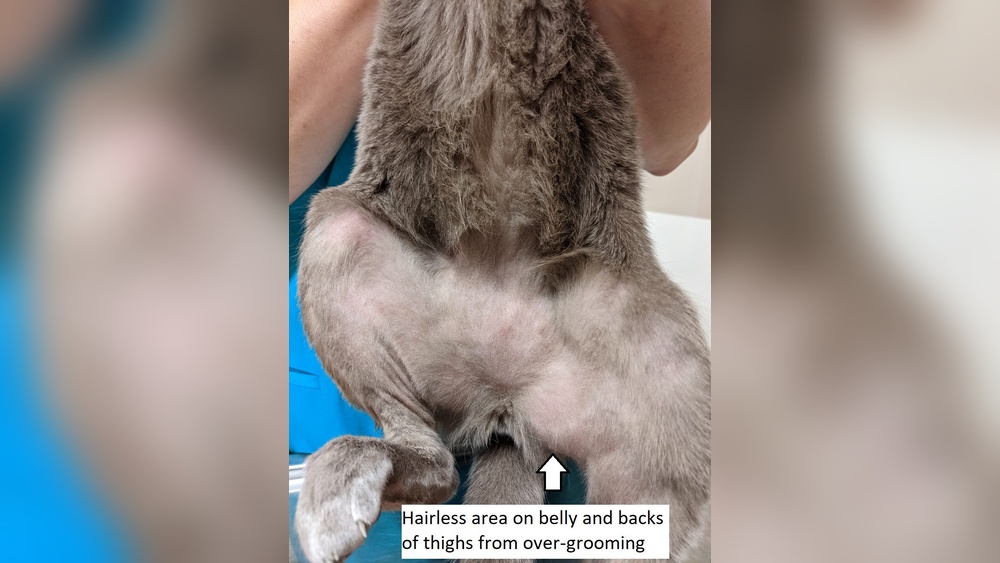
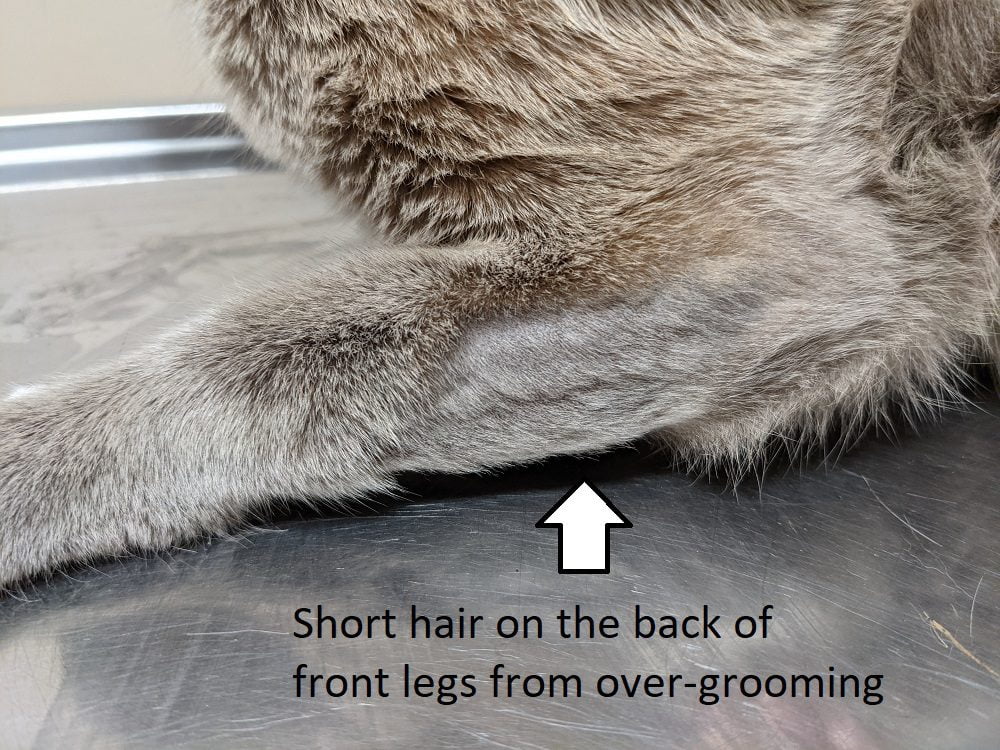
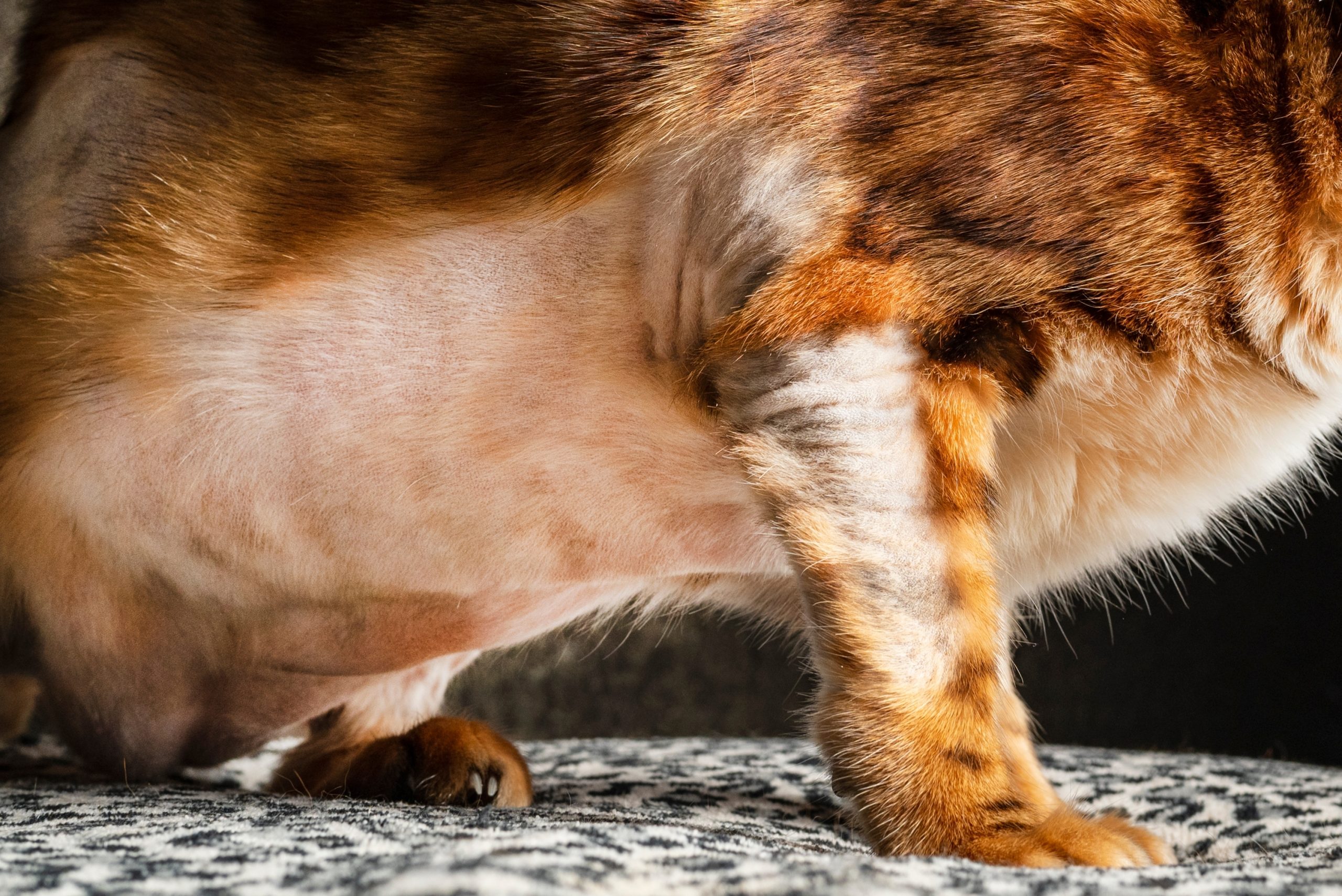
Look for bald patches or thin fur spots. Skin may look red or irritated. You might see scabs or wounds from licking. Excessive licking sounds or biting can also appear.
Behavioral Changes
Your cat may seem restless or nervous. It might hide more than usual. Aggression or irritability can increase. Sometimes, they stop playing or eating well.
Physical Effects
Skin damage is common with over grooming. Open sores and scabs can form easily. Fur loss leaves skin exposed and sensitive. Long-term grooming can cause infections.
Credit: pittwateranimalhospital.com.au
Medical Causes
Medical reasons often cause cats to groom themselves too much. This behavior can signal health problems. Paying attention to these signs helps keep your cat safe and comfortable.
Skin Allergies
Skin allergies cause itching and irritation. Cats try to soothe the discomfort by licking and scratching. Common allergens include food, pollen, and dust mites. Allergies can lead to redness, bumps, and hair loss. Treating allergies helps reduce over grooming.
Parasites And Infections
Parasites like fleas and mites make cats itch badly. They bite and burrow into the skin, causing irritation. Infections from bacteria or fungi also cause discomfort. Cats lick to clean wounds or relieve pain. Parasite control and medical care stop this behavior.
Pain And Discomfort
Pain from injuries or arthritis may make cats over groom. They focus on the painful area to soothe themselves. Grooming can mask pain or hide wounds. Identifying pain sources and treating them reduces excessive licking and grooming.
Behavioral Causes
Behavioral causes often drive cats to groom themselves too much. Grooming is a natural habit for cats. It helps them stay clean and calm. But sometimes, this habit turns into over grooming. This usually happens because of feelings or mental states.
Over grooming can be a sign that your cat feels uneasy or bored. It may also show a deeper problem like a compulsive disorder. Understanding these causes helps you support your cat better. Let’s explore the main behavioral reasons behind over grooming.
Stress And Anxiety
Stress makes cats feel unsafe or worried. Changes in their home or routine can cause stress. Loud noises, new people, or other pets may trigger anxiety. Cats try to calm themselves by grooming more. This grooming becomes a way to reduce their tension. Over time, it can lead to skin damage and hair loss.
Boredom And Lack Of Stimulation
Cats need mental and physical activity daily. Without enough play or attention, they get bored. Boredom leads cats to find ways to entertain themselves. Grooming becomes a habit to fill their time. This can turn into over grooming if the cat stays unstimulated for long. Providing toys and interaction helps reduce this behavior.
Compulsive Disorders
Some cats develop compulsive grooming. This is a repetitive behavior they cannot control. It often appears without a clear cause. The cat grooms the same spot repeatedly. This disorder needs attention from a vet. Treatment may include behavior therapy or medication. Early help can prevent further harm to the cat.
Environmental Triggers
Cats are sensitive to their surroundings. Changes in their environment can cause stress. Stress may lead cats to over groom. Over grooming helps cats feel calmer. Understanding these triggers can help pet owners keep cats comfortable.
Changes In Household
Moving furniture or rearranging rooms can upset cats. They like familiar spaces and routines. Sudden changes may make cats anxious. This anxiety can cause them to lick themselves too much. Keeping a stable environment helps reduce over grooming.
New Pets Or People
Introducing a new pet or person can be stressful. Cats need time to adjust to newcomers. They might feel threatened or unsure. This feeling may lead to over grooming as a coping method. Slow introductions help cats feel safer.
Unfamiliar Surroundings
Travel or visits to new places can unsettle cats. Strange smells and sounds increase their stress. Over grooming can be a way to handle this stress. Providing familiar items like a blanket can comfort cats in new spaces.
Diagnosing Over Grooming
Diagnosing over grooming in cats requires careful observation and testing. Over grooming can signal health or emotional problems. Identifying the cause helps find the right treatment. A vet usually begins with a thorough checkup.
Veterinary Examination
The vet examines your cat’s skin and fur closely. They look for wounds, redness, or parasites. Checking for fleas or mites is key. The vet may also check your cat’s overall health. Blood tests or skin scrapings might be needed. This step helps rule out infections or diseases.
Allergy Testing
Allergies often cause itching and over grooming. The vet may test for food or environmental allergies. Skin tests or blood tests help find allergens. Avoiding triggers can reduce your cat’s discomfort. Allergy treatment can stop the cycle of excessive grooming.
Behavioral Assessment
Stress or boredom can cause cats to over groom. A vet or behaviorist watches your cat’s habits. They check for anxiety signs or changes in routine. Identifying stress helps suggest calming techniques. Behavioral changes can improve your cat’s well-being.
Credit: www.mspca.org
Treatment Options
Over grooming in cats can cause skin damage and discomfort. Treating this issue requires a careful approach. Several options exist to help your cat feel better and stop over grooming. Understanding these options can guide you to the best care for your pet.
Medical Interventions
Veterinarians may prescribe medicine to reduce itching and inflammation. Antibiotics might be needed if infections are present. Allergy tests can identify triggers causing skin problems. Sometimes, hormone treatments help if an imbalance causes over grooming. Regular check-ups ensure treatments work and adjust if needed.
Behavioral Therapy
Stress often causes cats to groom too much. A vet or animal behaviorist can help identify stress sources. Training and positive reinforcement teach cats to relax. Providing toys and playtime reduces anxiety. Consistent routines make cats feel safe and calm.
Environmental Adjustments
Changing your cat’s surroundings helps reduce over grooming. Keep the home quiet and peaceful. Add cozy spots and hiding places for comfort. Remove irritants such as harsh chemicals or strong smells. Ensure your cat has enough food, water, and clean litter.
Preventing Over Grooming
Preventing over grooming in cats is important for their health and happiness. Over grooming can cause skin problems and hair loss. Taking steps early helps keep your cat comfortable and calm. Small changes in care and environment make a big difference.
Regular Vet Checkups
Regular visits to the vet catch health issues early. Skin allergies, infections, or parasites may cause over grooming. The vet checks your cat’s skin and overall health. Early treatment stops problems before they get worse. Keep your cat’s vaccinations and parasite control up to date. This helps avoid many causes of over grooming.
Enriching The Environment
A boring environment can lead to over grooming. Cats need toys, scratching posts, and climbing spaces. These keep their minds busy and bodies active. Rotate toys often to keep your cat interested. Play with your cat daily to reduce boredom. A happy cat grooms less and feels safe.
Stress Reduction Techniques
Stress triggers over grooming in many cats. Changes in routine or new pets can cause anxiety. Create a quiet space where your cat can relax. Use calming sprays or diffusers made for cats. Spend extra time petting and talking softly to your cat. These steps help your cat feel secure and calm.
Frequently Asked Questions
Why Does My Cat Groom Excessively?
Cats groom excessively due to stress, allergies, or skin infections. Over grooming can signal discomfort or anxiety. Identifying the cause helps provide proper treatment and relief for your cat.
Can Over Grooming Cause Health Problems In Cats?
Yes, over grooming can cause hair loss, skin irritation, and wounds. It weakens the skin’s barrier, making infections more likely. Prompt care prevents serious health issues.
How Can I Stop My Cat From Over Grooming?
Address stress triggers and visit a vet for allergies or parasites. Provide enrichment and calming aids. Proper treatment and environment reduce over grooming behaviors.
Is Over Grooming A Sign Of Anxiety In Cats?
Yes, anxiety often leads to over grooming as a coping mechanism. Cats self-soothe by licking excessively. Managing stress helps control this behavior.
Conclusion
Cats may over groom for many reasons. Stress, allergies, or skin problems often cause this. Over grooming can hurt your cat’s skin and fur. Watch your cat’s behavior closely. A visit to the vet can help find the cause. Early care stops more serious issues.
Keep your cat calm and comfortable. Healthy grooming means a happy cat. Understanding why cats over groom helps you care better.