
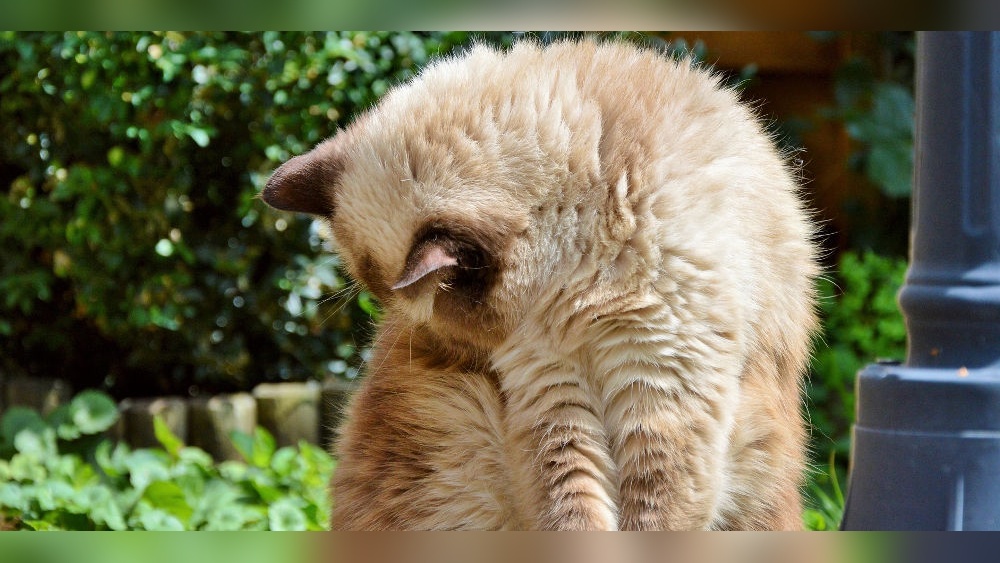
Have you noticed your cat suddenly stopped grooming? It’s a sign that something might be wrong.
Grooming is more than just a habit for cats—it’s how they stay clean, calm, and healthy. When your cat skips this important routine, it can signal stress, illness, or discomfort. Understanding why your cat has stopped grooming can help you spot problems early and keep your furry friend happy and healthy.
Keep reading to discover the common reasons behind this behavior and what you can do to help.

Credit: luckydawgsalongrooming.com
Common Reasons Cats Stop Grooming
Cats usually groom themselves every day. Grooming keeps their fur clean and skin healthy. When a cat stops grooming, it can signal a problem. Understanding why a cat stops grooming helps you care better for your pet. Several common reasons can explain this change in behavior.
Health Issues
Illness often causes cats to stop grooming. Skin infections, parasites, or allergies may make grooming painful. Dental problems can also reduce grooming habits. Cats might feel too weak or sick to clean themselves properly. Regular vet check-ups help catch these issues early.
Stress And Anxiety
Stress can cause a cat to stop grooming. Changes in the home, new pets, or loud noises may upset them. Grooming requires calmness, which stress can block. Cats might avoid grooming to cope with anxiety. Creating a calm environment supports their natural habits.
Pain And Discomfort
Pain can stop grooming quickly. Injuries or arthritis make movement difficult. Cats may avoid cleaning sore spots. This leads to dirty or matted fur. Observing your cat’s movement helps spot pain early.
Age-related Changes
Older cats often groom less. Aging slows their movements and energy. Arthritis and weaker muscles reduce grooming ability. Senior cats need more help with hygiene. Gentle brushing can replace some grooming needs.
Environmental Factors
Environment affects grooming habits. Cold or wet weather may lower grooming activity. Dirty or uncomfortable living spaces discourage cats from cleaning. A clean, quiet area encourages regular grooming. Ensure your cat’s space feels safe and cozy.
Signs Your Cat Needs Grooming Help
Cats usually keep themselves clean by grooming. Sometimes, they stop grooming because they feel unwell or stressed. You can tell your cat needs grooming help by watching for certain signs. These signs show your cat’s fur and skin need attention. Acting early helps keep your cat healthy and happy.
Mattes And Tangles
Mattes and tangles happen when fur clumps together. Cats with long hair get matting more often. Mattes can pull on the skin and cause pain. Your cat may avoid grooming if the fur hurts. Regular brushing stops mats from forming. Check your cat’s coat for knots and clumps.
Unpleasant Odors
Bad smells from your cat’s coat mean grooming problems. Dirt, oil, or infections cause these odors. Cats usually smell clean because they groom daily. A foul smell shows your cat missed grooming. Bathing and cleaning can help remove odors. Visit a vet if the smell stays strong.
Excessive Shedding
Shedding is normal but too much is not. Excessive shedding means your cat is stressed or sick. Without grooming, loose fur stays on the body. This fur can form mats and cause skin problems. Brush your cat to remove loose hair. Notice changes in shedding patterns.
Skin Irritations
Red, dry, or flaky skin shows irritation. Cats stop grooming if the skin hurts. Irritations can come from allergies, fleas, or infections. Watch for scratching or licking that causes wounds. Treat skin problems quickly to prevent pain. Use gentle grooming tools to avoid damage.
Quick Fixes To Encourage Grooming
When a cat stops grooming, it can worry any pet owner. Grooming is key for a cat’s health and comfort. Quick fixes can help encourage your cat to start grooming again. These steps focus on comfort, health, and creating good habits. Try these simple methods to support your cat’s grooming routine.
Regular Brushing
Brush your cat gently every day. This helps remove loose fur and dirt. It also feels good and relaxes your cat. Use a soft brush made for cats. Regular brushing keeps the coat clean and healthy.
Creating A Calm Environment
Make a quiet space for your cat. Loud noises and stress can stop grooming. Provide cozy spots with soft bedding. Keep the area free of sudden disruptions. A calm place encourages your cat to relax and groom.
Veterinary Checkups
Visit the vet to rule out health problems. Illness or pain may cause grooming to stop. The vet can find issues you might miss. Early checkups help treat problems quickly. Your cat will feel better and groom more.
Pain Management
Pain can stop your cat from grooming. Arthritis or injuries make movement hard. Ask the vet about pain relief options. Managing pain improves your cat’s comfort. A comfortable cat will groom itself more often.
Proper Nutrition
Feed a balanced diet with essential nutrients. Good food supports healthy skin and fur. Lack of vitamins can cause dull coats and less grooming. Choose food designed for your cat’s needs. Proper nutrition helps your cat feel good and stay clean.

Credit: catspajamasgrooming.ca
When To Seek Professional Help
Knowing when to seek professional help is important if your cat stops grooming. Grooming is a natural habit for cats. Changes in this behavior may signal health or emotional problems. Early attention can prevent serious issues. Watch for signs that need vet care.
Persistent Grooming Issues
If your cat stops grooming for several days, it is a concern. Cats usually clean themselves daily. Lack of grooming can cause a dirty or matted coat. Persistent grooming issues may point to pain or illness. A vet can check for infections or injuries.
Behavioral Changes
Notice if your cat acts differently along with grooming loss. Cats may hide, become aggressive, or lose appetite. Stress, anxiety, or depression can cause grooming problems. These changes need expert advice to improve your cat’s well-being. A vet or animal behaviorist can help.
Severe Skin Problems
Look for redness, sores, or hair loss on your cat’s skin. These signs show serious skin problems. Lack of grooming worsens skin conditions and causes discomfort. A vet can diagnose allergies, parasites, or infections. Early treatment helps your cat feel better fast.
:strip_icc()/how-to-stop-cat-over-grooming-554052-02-292560d5fa1542458556eff312f669d7.jpg)
Credit: www.thesprucepets.com
Frequently Asked Questions
Why Does My Cat Suddenly Stop Grooming?
Cats may stop grooming due to stress, illness, or pain. It can also signal skin infections or arthritis. Observe behavioral changes and consult a vet for accurate diagnosis and treatment.
Can Health Issues Cause Grooming Cessation In Cats?
Yes, health problems like dental issues, parasites, or obesity can make grooming painful or difficult. Early vet intervention helps identify and treat underlying conditions effectively.
How Does Stress Affect A Cat’s Grooming Habits?
Stress can cause cats to stop grooming as a coping mechanism. Changes in environment, routine, or new pets often trigger stress-related grooming changes.
Is Lack Of Grooming A Sign Of Aging In Cats?
Older cats may groom less due to reduced flexibility or arthritis. Regular vet check-ups help manage age-related health issues impacting grooming.
Conclusion
Cats stop grooming for many reasons. Stress, illness, or pain often cause this change. Owners should watch their cat closely for other signs. A vet visit can find any health problems early. Regular grooming keeps cats clean and healthy. Understanding why your cat stops grooming helps you care better.
Don’t ignore sudden changes in your cat’s habits. Quick action can keep your pet happy and safe. Taking care of your cat means knowing its needs well.