
You might think Munchkin cats are adorable with their short legs and playful nature. But have you ever stopped to consider what breeding them really means?
Behind those cute looks lies a world of health problems and ethical concerns that affect these cats every day. If you care about animal welfare and want to make informed choices, it’s important to understand why supporting Munchkin cat breeding could be harmful.
Keep reading, because what you learn here might change the way you see these little felines forever.
Munchkin Cat Origins
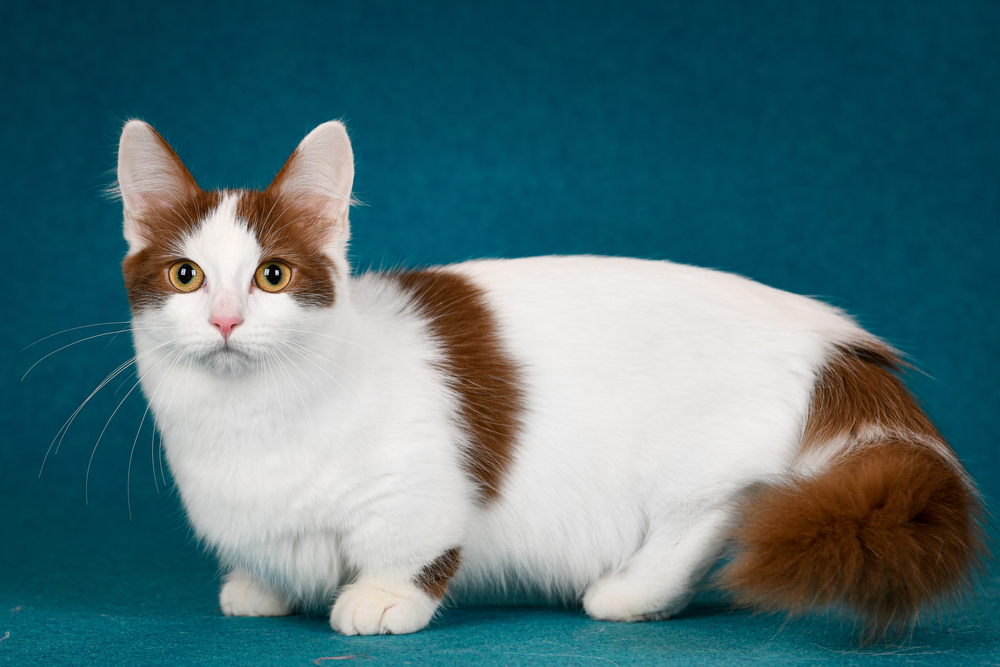
Munchkin cats are known for their very short legs. These cats look cute, but their story is not simple. Their short legs come from a special change in their genes. This change affects how their bones grow.
Many people find Munchkin cats interesting because they look different. But understanding where they come from helps us see why breeding them can be harmful. The history and the science behind these cats are important to know.
History Of The Breed
The Munchkin breed started in the 1990s. A cat with short legs was found in Louisiana, USA. Breeders began to mate these cats to keep the short leg trait.
This breed gained attention because it looked unique. Still, many animal experts warned about health problems. The breed is new and still being studied.
Genetic Mutation Explained
The short legs of Munchkin cats come from a genetic mutation. This mutation changes how the bones grow in the legs. It causes the bones to stop growing early.
This gene is called a dominant gene. Cats with one copy of this gene have short legs. But cats with two copies often have serious health issues or do not survive.
This mutation can cause pain and problems with movement. It is important to think about the cat’s health, not just their looks.
Credit: www.pawtracks.com
Health Issues In Munchkins
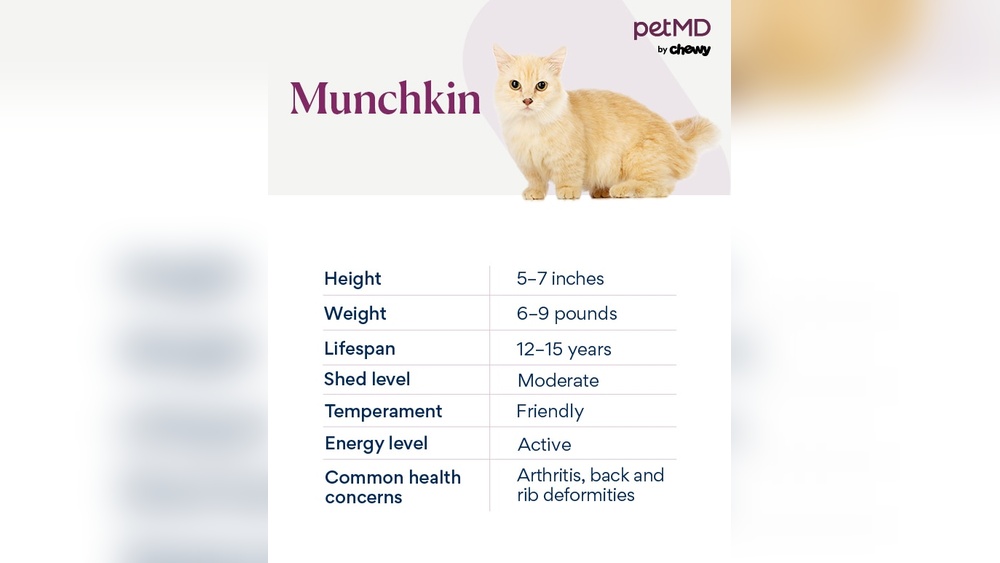
Munchkin cats are famous for their short legs and cute looks. But these traits come with serious health problems. Breeding Munchkin cats can cause many health issues. Understanding these problems shows why breeding them is harmful.
Common Genetic Disorders
Munchkin cats often have genetic disorders. These come from the gene that causes their short legs. One common issue is lordosis. It makes the spine curve too much. This can hurt the cat’s heart and lungs. Another problem is pectus excavatum. This causes the chest to be sunken in. Both conditions can reduce a cat’s life quality and shorten its lifespan.
Impact Of Short Legs On Mobility
Short legs limit how Munchkin cats move. They may have trouble jumping or running. This can lead to weak muscles and joint problems. Over time, their legs and spine can become painful. These cats might avoid normal cat activities. Lack of exercise can cause obesity and other health risks. Their short legs may also cause arthritis early in life.
Ethical Concerns
Breeding Munchkin cats raises serious ethical questions. These cats have very short legs due to a genetic mutation. This mutation often causes health problems. Many people worry about the well-being of these animals. Ethical concerns focus on animal welfare and breeding methods. Both areas show why breeding Munchkin cats is problematic.
Animal Welfare Implications
Munchkin cats suffer from joint pain and mobility issues. Their short legs affect their spine and bones. These health problems reduce their quality of life. Some cats struggle to walk or jump normally. Pain and discomfort become a daily struggle. Breeders often ignore these risks. They prioritize looks over health. This causes suffering for the cats. Protecting animal welfare means avoiding harmful breeding.
Breeding Practices And Exploitation
Breeders use Munchkin cats to meet high demand. They often breed animals without concern for health. This practice exploits cats for profit. Many kittens face genetic defects or illnesses. Breeding focuses on appearance, not well-being. This is unfair to the animals involved. Ethical breeding requires care and responsibility. Exploiting cats for short legs crosses a moral line. Responsible pet lovers should reject such breeding practices.

Credit: www.aspcapetinsurance.com
Behavioral Challenges
Munchkin cats face unique behavioral challenges due to their short legs. These challenges affect their daily activities and social life. Understanding these problems helps explain why breeding Munchkin cats is not ideal.
Activity Limitations
Munchkin cats cannot jump or climb like other cats. Their short legs limit their movement and play. This restriction can cause frustration and boredom. Cats need exercise for good health and happiness. Without it, they may develop bad habits or stress.
Socialization Problems
Munchkin cats may struggle to interact with other cats. Their physical limits make it hard to keep up during play. Other cats might avoid or bully them. This can lead to loneliness or anxiety. Healthy social life is important for all cats.
Alternatives To Munchkin Breeding
There are better ways to enjoy cats than breeding Munchkin cats. Breeding Munchkins can cause health problems. Choosing other options helps animals live better lives. It also supports responsible pet care and animal welfare. Here are two good alternatives to Munchkin breeding.
Adopting From Shelters
Shelters have many cats waiting for homes. These cats come in all shapes and sizes. Adopting saves lives and reduces shelter crowding. It also stops more cats from being born without homes. Adoption is cheaper than buying from breeders. Shelter staff can help find cats that fit your lifestyle. This option supports animal rescue and kindness.
Promoting Healthy Cat Breeds
Some cat breeds have fewer health risks than Munchkins. Breeding healthy cats helps keep cats strong and happy. Choose breeds known for good health and normal body structure. Avoid breeds with known genetic problems. Supporting healthy breeds means fewer vet visits and less suffering. It also encourages ethical breeding practices. This protects cats and their future generations.
Credit: www.petrebels.com
Legal And Regulatory Issues
Legal and regulatory issues play a big role in the debate about breeding Munchkin cats. These cats have short legs due to a genetic mutation. Many places have laws to protect animals from harmful breeding practices. Understanding these laws helps explain why breeding Munchkin cats faces strong opposition.
Breeding Bans And Restrictions
Several countries and regions ban or restrict breeding Munchkin cats. These bans aim to prevent health problems linked to their body shape. Short legs can cause joint pain and mobility issues. Lawmakers want to stop these cats from suffering. Breeders face penalties if they ignore these bans. These rules protect animal welfare first.
Role Of Animal Protection Laws
Animal protection laws cover all pets, including Munchkin cats. They forbid breeding animals with harmful traits. These laws require breeders to avoid causing pain or illness. They also encourage ethical breeding practices. Authorities inspect breeders to enforce these rules. Violations can lead to fines or license loss. These laws help keep animals safe and healthy.
Public Awareness And Advocacy
Public awareness and advocacy play a key role in stopping the breeding of Munchkin cats. Many people do not know about the health problems these cats face. Raising awareness helps protect animals from harm and suffering. It also guides people to make better choices when adopting pets.
Educating Potential Owners
Potential owners must learn the truth about Munchkin cats. These cats often have short legs due to a genetic issue. This can cause pain and joint problems. Sharing facts helps people understand the risks. It stops impulsive buying based on looks alone. Education encourages kindness and care for all animals.
Supporting Ethical Breeders
Ethical breeders focus on the health and well-being of cats. They avoid breeding animals with harmful traits. Supporting such breeders promotes better standards. It reduces the demand for Munchkin cats with health issues. Ethical breeding leads to happier and healthier pets.
Frequently Asked Questions
Why Are Munchkin Cats Controversial To Breed?
Munchkin cats have genetic mutations causing short legs. This raises health concerns like arthritis and spinal problems. Breeding them may promote these inherited issues, leading to ethical questions about their well-being.
What Health Problems Do Munchkin Cats Face?
Munchkin cats often suffer from joint pain and mobility issues. Their short legs can cause spinal deformities and arthritis. These health risks reduce their quality of life and lifespan.
Is Breeding Munchkin Cats Ethical?
Breeding Munchkin cats is debated due to genetic defects. It may prioritize appearance over animal welfare. Many experts argue it is unethical to breed cats with potential health problems.
How Does Breeding Affect Munchkin Cats’ Quality Of Life?
Selective breeding for short legs can worsen health conditions. Munchkin cats may experience chronic pain and limited mobility. This negatively impacts their happiness and ability to live normally.
Conclusion
Breeding Munchkin cats causes health problems for the animals. Their short legs can lead to pain and mobility issues. Many suffer from spine and joint disorders. Choosing to support responsible breeding helps protect cat welfare. Loving cats means putting their health first.
Avoid encouraging practices that harm animals. Think about the long-term effects on these cats’ lives. Caring pet owners should focus on healthy, happy pets. Protect cats by saying no to Munchkin cat breeding.