
Have you ever wondered if a wild rabbit would step in to care for an abandoned kitten? It sounds surprising, right?
You might picture a fierce cat or a human helping, but what about a rabbit? Understanding how animals respond to abandoned babies can change the way you see nature—and even help you know what to do if you ever find yourself in that situation.
Keep reading to discover the surprising truth about wild rabbits and their role, if any, in caring for helpless kittens. Your curiosity might just lead you to a story you never expected.
Wild Rabbit Behavior
Wild rabbits are interesting creatures with unique habits. Their behavior helps them survive in nature. Understanding their social life and care for their young reveals if they might care for an abandoned kitten.
Social Nature Of Wild Rabbits
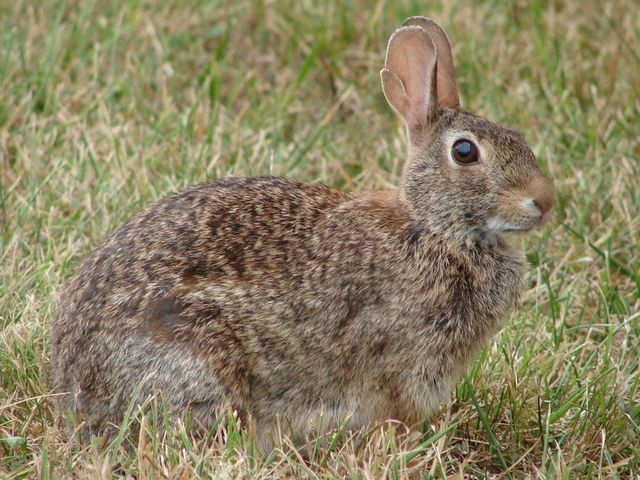
Wild rabbits live in groups called colonies. They communicate using sounds, body movements, and scent. These animals prefer to stay close to their family and friends. But they are cautious around strangers. They focus on their own kind rather than other animals.
Parental Instincts In Rabbits
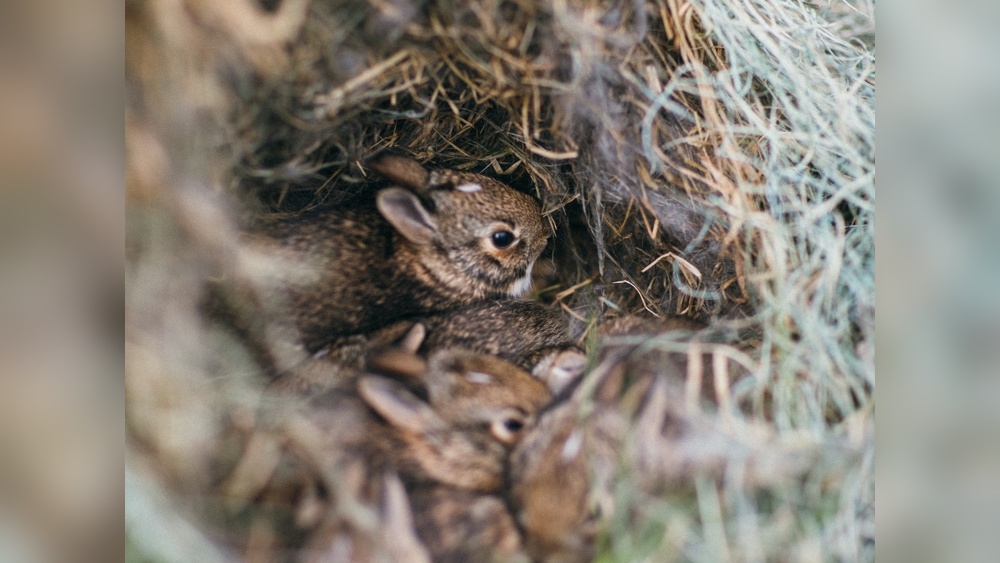
Mother rabbits care deeply for their babies, called kits. They build nests and keep kits warm and safe. Mothers feed their young and protect them from danger. This care is mostly for their own offspring. Rabbits rarely show care for animals outside their species.
Credit: www.birdoculars.com
Kitten Abandonment Causes
Abandonment of kittens is a sad reality in many places. Understanding why kittens get left behind helps us know their needs better. Many factors lead to kittens being alone without a mother or family care.
These causes vary from natural events to human actions. Each reason affects the kitten’s chance to survive and grow. Awareness of these causes is important for those who want to help abandoned kittens.
Common Reasons For Kitten Abandonment
Some kittens lose their mothers due to illness or death. Other times, the mother cat may leave if she feels unsafe. Stray cats often have litters in hidden places and then disappear.
Human factors also play a big role. Some people abandon kittens because they cannot care for them. Others may not realize the kitten needs constant attention. Accidental separation during moving or cleaning happens too.
Impact On Kitten Survival
Kittens rely on their mother for warmth and food. Without care, they face hunger and cold. Their immune system is weak, making illness common. Survival chances drop quickly without help.
Abandoned kittens need immediate care to live. Feeding, warmth, and safety are key. The longer they stay alone, the harder it becomes for them to survive.
Interactions Between Species
Animals often interact in surprising ways. These interactions can show care across different species. Understanding these behaviors helps us see nature’s complexity. Can a wild rabbit care for an abandoned kitten? This question leads us to explore how different animals might help each other.
Cross-species Care Examples
Animals sometimes care for young of other species. There are stories of dogs raising baby birds. Cats have been seen nursing baby squirrels. These acts happen rarely but show kindness beyond species lines. Nature can surprise us with these moments of care.
These examples show animals can feel empathy or curiosity. Some animals accept young ones as their own. The care includes feeding, grooming, and protection. Such behaviors depend on the animals’ instincts and environment.
Challenges In Inter-species Adoption
Different species have different needs. A rabbit’s diet is very different from a kitten’s. This makes feeding a challenge for the rabbit. Also, rabbits and kittens communicate in different ways.
Wild rabbits are naturally shy and avoid close contact. They may see a kitten as a threat. Stress and fear can stop any nurturing behavior. Survival instincts often override care for other species.
Even if a rabbit shows interest, long-term care is unlikely. The kitten needs warmth and milk that only its mother can provide. These challenges make cross-species care difficult in the wild.

Credit: www.wikihow.com
Can Rabbits Nurture Kittens?
Can rabbits nurture kittens? This question sparks curiosity about animal behavior. Rabbits and kittens are very different animals. Their needs and instincts do not always match. Understanding if a wild rabbit will care for an abandoned kitten is important for animal lovers and rescuers.
Rabbits are gentle creatures, but their ability to care for kittens is limited. Their natural behaviors focus on their own kind. Wild rabbits usually avoid other species unless there is a strong reason to interact. This makes the idea of a rabbit nurturing a kitten uncommon.
Behavioral Limitations
Rabbits have specific instincts that guide their care. They groom and protect their babies, but only their own. Kittens need warmth, milk, and constant care, which rabbits cannot provide. Rabbits do not produce milk for kittens. Their social behaviors do not include raising other animals.
Wild rabbits are also cautious and may flee from unfamiliar creatures. A kitten’s cries might scare them. Stress can prevent rabbits from showing nurturing behavior. Their survival depends on staying alert to danger, not adopting other species.
Instances Of Rabbits Caring For Other Species
Rare cases exist where rabbits have shown unusual care for other animals. Some stories describe rabbits grooming or staying close to kittens. These moments are exceptions, not the rule. Usually, such behavior happens in controlled or domestic settings.
Wild rabbits rarely form bonds with kittens. Animals can surprise us, but relying on a rabbit to raise a kitten is unrealistic. Human intervention is often needed to save abandoned kittens. Providing proper care ensures kittens grow healthy and strong.
What To Do For Abandoned Kittens
Abandoned kittens need quick and careful help to survive. They cannot eat or stay warm alone. Their chances improve with proper care. Knowing what to do can save their lives. Acting fast is very important.
This guide explains the first steps to take and how to find help. It focuses on keeping kittens safe and healthy in early moments.
Immediate Care Steps
First, check if the kitten is breathing and warm. Wrap it in a soft towel or blanket. Keep the kitten’s body temperature steady. Use a heating pad on low or a warm water bottle. Never place heat directly on the kitten’s skin.
Next, feed the kitten properly. Use kitten formula only. Cow’s milk can cause stomach problems. Feed with a small bottle or syringe. Feed every two to three hours for newborns. Hold the kitten gently while feeding.
Keep the kitten clean. Use a damp cloth to wipe its body. Avoid giving a full bath. Kittens cannot control their bathroom needs. Gently stimulate the kitten’s bottom with a warm cloth to help it urinate and poop.
Finding Suitable Caregivers
Contact local animal shelters or rescue groups quickly. They have experience with abandoned kittens. Some may offer foster care or medical help. Veterinary clinics can also provide advice and treatment.
Ask friends or family if they can help. Foster homes give kittens a safe place to grow. Proper care includes feeding, warmth, and socialization. Avoid leaving kittens alone for long periods.
Keep the kitten indoors and away from other pets. This reduces risks of illness. Watch for signs of sickness and get vet help if needed.
Surprising Animal Care Facts
Animals show care in surprising ways. They often act beyond their usual roles. Some species help others outside their kind. This behavior shows the deep instincts for caregiving in nature. It also challenges what we expect from wild animals.
Unexpected Animal Friendships
Wild animals sometimes form unusual bonds. A wild rabbit might seem unlikely to care for a kitten. Yet, nature has many stories of cross-species friendships. These friendships often happen out of need or chance. They prove animals can show kindness beyond survival.
Such friendships help abandoned or orphaned animals survive. The caring animal may provide warmth and protection. This behavior goes against the idea that animals only care for their own.
Nature’s Adaptability In Caregiving
Animals adapt their caregiving based on their environment. A wild rabbit faced with an abandoned kitten might respond with curiosity or care. Adaptability helps animals survive harsh conditions. It also encourages unexpected caregiving roles.
Caregiving in nature is flexible and creative. Animals use instincts but adjust to new situations. This adaptability means a wild rabbit might nurse or shelter a kitten. Nature’s ability to adapt shows how strong the urge to care really is.

Credit: www.wikihow.com
Frequently Asked Questions
Will A Wild Rabbit Care For An Abandoned Kitten?
Wild rabbits do not typically care for abandoned kittens. They are different species with different needs. Rabbits focus on their own young, not others.
Can Rabbits Adopt Animals Of Other Species?
Rabbits rarely adopt animals outside their species. Their natural instincts guide them to care for their own kind only.
What Should You Do If You Find An Abandoned Kitten?
Contact a wildlife rehabilitator or veterinarian immediately. Provide warmth, food, and gentle care while seeking expert help.
Are Wild Rabbits Friendly Towards Kittens?
Wild rabbits are generally shy and avoid other animals, including kittens. They are unlikely to interact or nurture abandoned kittens.
Conclusion
Wild rabbits usually do not take care of abandoned kittens. Their instincts guide them to focus on their own young. Kittens need special care that only their mother or humans can provide. If you find an abandoned kitten, it is best to help it quickly.
Contact a wildlife expert or animal shelter for advice. Caring for young animals requires patience and proper knowledge. Protecting the kitten ensures it has a better chance to grow strong. Nature has its rules, but kindness makes a difference.