

Are you thinking about bringing a new kitten into your home but wonder if your cat will accept the little newcomer? It’s natural to hope your cat will take care of the kitten, offering comfort and guidance.
But will your furry friend really step up as a caregiver, or could there be challenges ahead? Understanding how cats behave around kittens can help you prepare for what’s next. Keep reading to discover what to expect and how to make the introduction smooth for both your cat and your new kitten.
:strip_icc()/post-natal-cat-care-555416_source_file-bff982a363c3441a872fe8f6f69f2bac.jpg)
Credit: www.thesprucepets.com
Cat Behavior Around Kittens
Cats show many behaviors around kittens. Their reactions depend on personality, age, and past experiences. Some cats quickly accept kittens. Others need time or may reject them.
Understanding cat behavior helps in managing their introduction. It also keeps both cats safe and happy. Watch their body language and actions closely. It reveals how they feel about the new kitten.
How Cats React To Newcomers
Some cats are curious and gentle. They sniff and watch the kitten quietly. Others may hiss or growl at first. This is normal. It shows they feel unsure or threatened.
Many cats become more relaxed over days or weeks. They start to groom or play with the kitten. Older cats may teach kittens boundaries. They show which behaviors are okay.
Signs Of Acceptance And Rejection
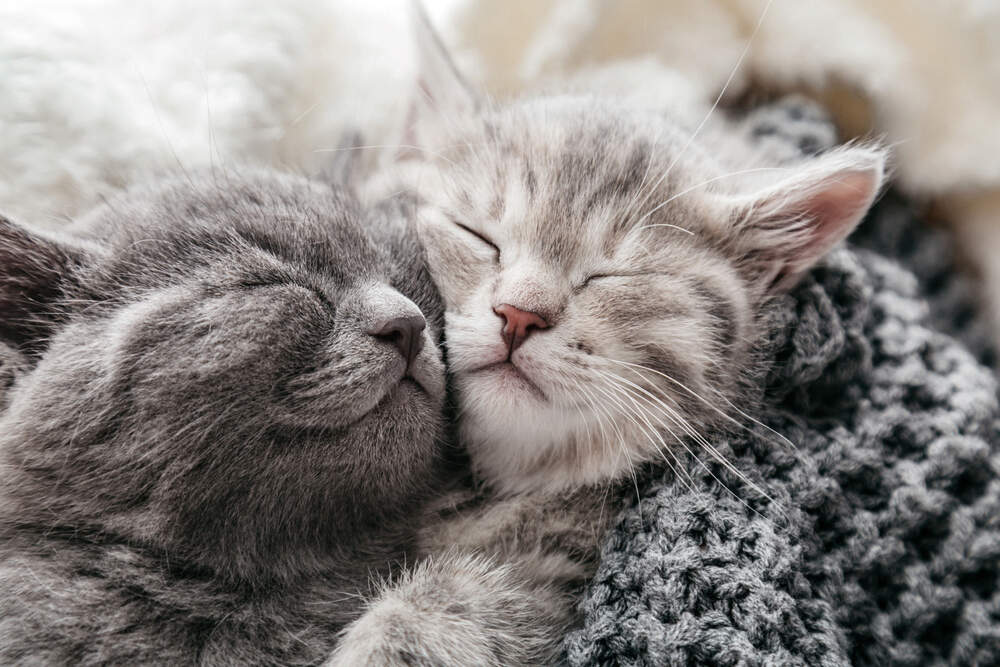
Acceptance signs include purring, licking, and close sitting. Cats sharing space without tension is a good sign. Playful chasing or gentle touching means trust.
Rejection signs include hissing, swatting, or avoiding the kitten. A cat that hides or acts stressed may not accept the kitten. Watch for aggressive behavior. It can harm the kitten.
Patience and careful observation help improve their relationship. Each cat and kitten pair is unique.
Preparing Your Home
Preparing your home before introducing a kitten to your cat is very important. It helps both animals feel safe and calm. A smooth start builds trust and avoids stress. You can create a peaceful place for each cat. This preparation makes their first meeting easier and more positive.
Safe Spaces For Both Cats
Each cat needs its own safe space. This is a quiet area with a bed, water, and litter box. The adult cat should not feel crowded or threatened. The kitten also needs a cozy spot to rest and explore. Separate spaces prevent fights and give both cats comfort.
Introducing Scents And Sounds
Start by swapping scents between cats. Use a cloth to gently rub each cat and then place it near the other. This helps them get used to each other’s smell. Play recordings of cat sounds softly. This prepares them for new noises without surprise. Scent and sound introduction lowers tension before a face-to-face meeting.
Introducing The Kitten
Introducing a new kitten to your cat needs care and patience. Cats can be curious but also cautious. A calm and slow introduction helps both pets adjust well. This section guides you through the process to make it smooth and safe.
Step-by-step Introduction Process
Start by keeping the kitten in a separate room. Let your cat sniff the kitten’s scent on a blanket. Swap bedding between them to share smells. After a few days, allow them to see each other through a baby gate or cracked door. Watch their reactions closely. If both seem calm, let them meet face to face for a short time. Repeat short meetings daily, increasing time slowly. Always supervise these first encounters to avoid fights.
Managing Initial Interactions
Keep the meetings calm and quiet. Use soft voices to soothe both animals. Offer treats to reward good behavior. Never force your cat or kitten to stay close. Let them explore and retreat as they wish. Watch for signs of stress like hissing or hiding. If tension grows, separate them and try again later. Patience is key to building trust between your cat and kitten.
Credit: www.comfortzone.com
Encouraging Positive Bonding
Encouraging positive bonding between your cat and a new kitten helps them live peacefully. It builds trust and reduces stress for both animals. You can create moments that bring them closer.
Shared Play And Feeding Times
Playtime is a great way for cats to connect. Use toys both cats enjoy. It helps them share fun moments and feel comfortable together.
Feeding your cat and kitten near each other can build trust. Keep bowls close but not too close. This shows them sharing space is safe.
Using Pheromones And Comfort Items
Pheromone sprays or diffusers calm cats and make them feel secure. Place them where cats spend time together.
Comfort items like blankets or beds with their scent help cats relax. Let both cats use these items to share comfort.
Monitoring Health And Behavior
Introducing a kitten to your cat requires close attention to health and behavior. Both animals need time to adjust and feel safe. Watching their actions helps you spot problems early. Healthy interactions lead to a happy home for both pets.
Spotting Stress Or Aggression
Signs of stress or aggression include hissing, growling, or swatting. Your cat may hide more or avoid the kitten. The kitten might hiss back or stay very still. Pay attention to changes in eating or grooming habits. These signals show discomfort or fear. Early detection prevents fights and injuries.
When To Seek Veterinary Advice
Seek veterinary advice if either pet shows signs of illness or injury. Look for limping, lethargy, or loss of appetite. Sudden behavior changes also need a vet’s attention. A vet can check for infections or stress-related health issues. Early care ensures both animals stay healthy and safe.
Tips For Long-term Harmony
Keeping peace between your cat and a new kitten takes time and care. Small habits help build a happy home. These tips guide you to keep harmony long-term. Patience and attention matter the most.
Maintaining Individual Attention
Your older cat needs special time alone. Give your cat quiet moments away from the kitten. Play with your cat using favorite toys. This stops jealousy and keeps trust strong.
Spend time petting and talking to your cat. Make your cat feel loved and important every day. The kitten also needs attention, but balance is key.
Creating A Peaceful Environment
Keep spaces calm and safe for both pets. Provide separate beds and feeding spots. This avoids fights over food or rest areas.
Use calm voices and gentle movements near both animals. Loud noises can stress cats and cause tension. Let them explore at their own pace.
Clean litter boxes often and place them in quiet spots. A clean space helps reduce stress and keep peace.
Credit: www.catcarecenter.com
Frequently Asked Questions
Will My Cat Accept A New Kitten Easily?
Most cats are cautious but can accept kittens over time. Proper introductions and patience are key for a smooth transition.
How Do Cats Behave Around Kittens?
Cats may show curiosity, protectiveness, or indifference. Some cats may groom or play gently, while others prefer distance initially.
Can An Adult Cat Nurse A Kitten?
Adult cats sometimes nurse kittens, especially if maternal instincts are strong. However, not all cats will accept nursing responsibilities.
How To Introduce A Kitten To My Cat Safely?
Introduce them gradually in separate spaces, allowing scent swapping. Supervise first meetings and provide positive reinforcement to reduce stress.
Conclusion
Cats may or may not care for a new kitten. Some cats accept kittens quickly. Others need time to adjust or may never accept them. Patience and careful introduction help them get along. Always watch their behavior to keep both safe.
A cat’s care depends on personality and past experiences. Trust your cat’s signals and respect their limits. With love and care, many cats learn to live with kittens peacefully.