
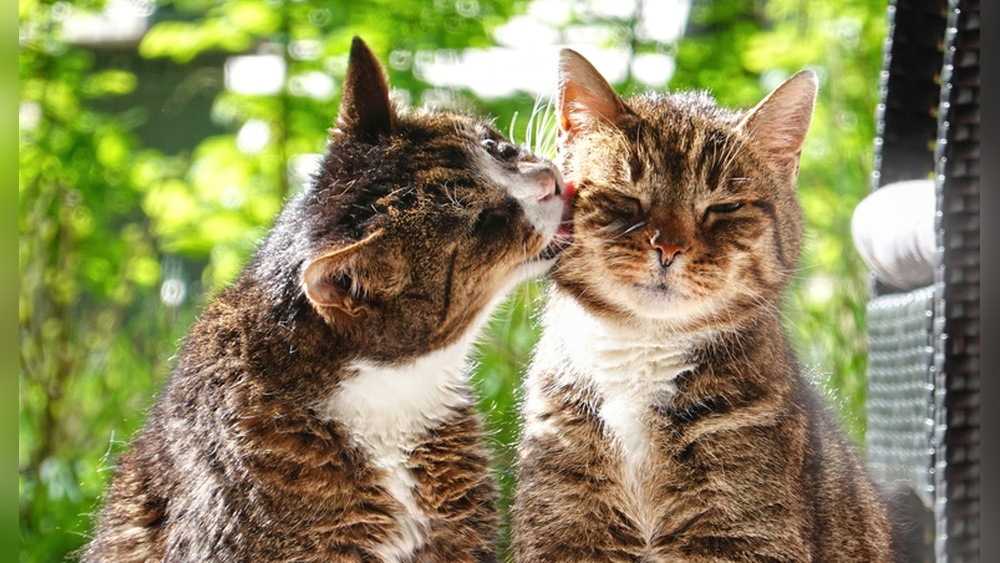
Have you ever watched your cats sitting close together and wondered, “Will my cats ever groom each other?” It’s a common question for cat owners who want to see their pets bonding in a gentle, caring way.
Grooming between cats isn’t just about staying clean—it’s a powerful sign of trust and friendship. If you’re curious about why some cats groom each other while others don’t, and what you can do to encourage this sweet behavior, keep reading.
You’ll discover surprising facts that can change how you understand your feline friends and help them build a stronger connection.
Cat Grooming Behavior
Cats spend a lot of time grooming themselves. This behavior is natural and important. Grooming helps cats stay clean and healthy. It also plays a role in their social life. Understanding cat grooming behavior can explain why some cats groom each other.
What Is Allogrooming
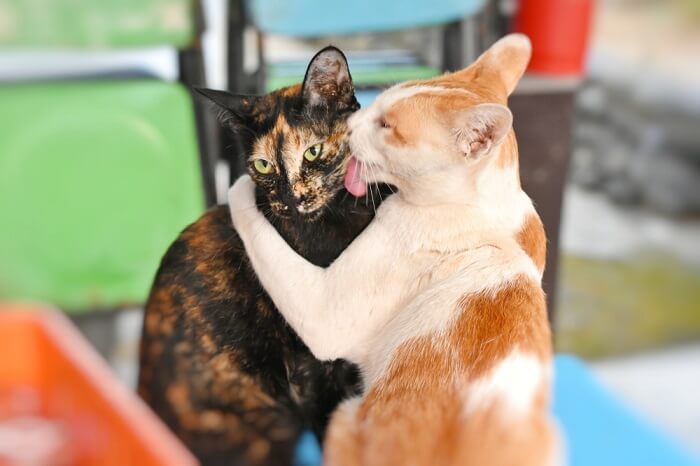
Allogrooming means cats groom each other. It is common in cats that live together. Cats lick areas hard to reach on their own. This shows trust and friendship between cats. Allogrooming also helps reduce stress and build bonds.
Why Cats Groom Themselves
Cats groom to remove dirt and loose fur. Grooming helps keep their skin healthy. It also cools them down in hot weather. Grooming removes parasites like fleas. Cats feel calm and relaxed while grooming.
Benefits Of Grooming
Grooming keeps a cat’s coat smooth and clean. It prevents skin problems and infections. Grooming helps cats feel good and reduce stress. It strengthens social bonds between cats that groom each other. Overall, grooming is a key part of cat health and happiness.

Credit: www.fourpaws.com
When Cats Groom Each Other
Cats often groom themselves to stay clean. Sometimes, they groom each other too. This behavior shows trust and friendship between cats. Understanding when cats groom each other helps you know their bond better.
Mutual grooming is more than just cleaning. It is a way cats connect and feel safe together. This section explains when and why cats groom each other.
Signs Of Mutual Grooming
Look for cats licking each other’s fur gently. They often focus on hard-to-reach spots. Grooming sessions can last a few minutes or longer. Cats may purr or close their eyes while grooming. These signs show comfort and affection.
Factors Encouraging Grooming
Shared space helps cats feel relaxed around each other. Calm and quiet surroundings promote grooming behavior. Cats with similar energy levels tend to groom more. Stress or loud noises can stop grooming. Food and playtime nearby also encourage friendly grooming.
Age And Social Bonds
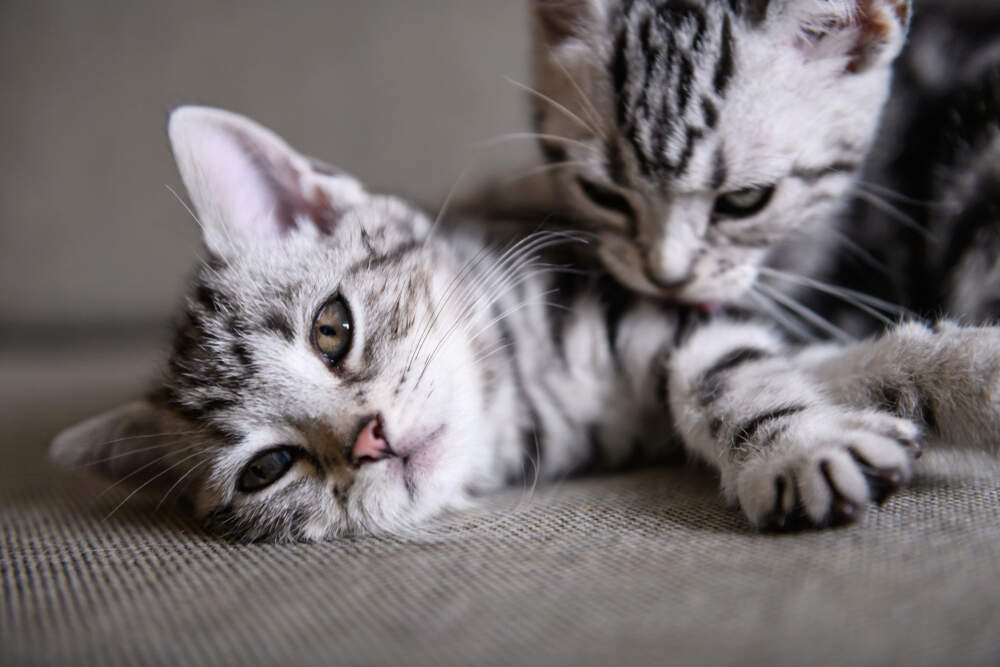
Kittens learn grooming from their mother and siblings. Young cats often groom each other during play. Older cats may groom less but still share grooming with close friends. Strong social bonds increase grooming frequency. Cats that live together longer usually groom more.
Reasons Cats Might Not Groom Each Other
Cats grooming each other is a common sign of friendship and trust. But not all cats choose to groom their housemates. Several reasons explain why your cats might not groom each other. These reasons often relate to their nature, feelings, or health.
Understanding these reasons helps you see your cats’ behavior better. It also shows when to watch for problems. Let’s explore why some cats avoid grooming their friends.
Personality Differences
Each cat has a unique personality. Some cats are very social and enjoy close contact. Others prefer to be alone and keep distance. Cats with shy or independent natures may not groom others. Grooming is a social act, and not all cats like it.
Dominant cats might groom less often. They see themselves as leaders and don’t need to bond through grooming. Cats who do not get along well will avoid grooming, too.
Stress And Anxiety
Stress affects cats’ behavior deeply. New pets, loud noises, or changes in the home can cause stress. An anxious cat may stop grooming others. Stress makes cats focus on their own safety, not social acts.
When cats feel threatened, they keep to themselves. Grooming needs calm and trust. Without these, cats avoid close contact.
Health Issues Impacting Grooming
Health problems can stop cats from grooming others. Pain from injuries or arthritis can make grooming uncomfortable. Skin conditions or infections also reduce grooming behavior.
Ill cats may groom less to save energy. They often avoid close contact to rest. Watch for signs like scratching, redness, or swelling. Such signs mean your cat might need a vet check.
How To Encourage Mutual Grooming
Mutual grooming helps cats bond and feel safe together. Encouraging this behavior takes patience and care. Create the right setting and nurture good feelings between your cats. Avoid situations that cause stress or fights. Follow simple steps to help your cats groom each other more often.
Creating A Comfortable Environment
Choose quiet, calm spaces for your cats to relax. Provide soft bedding and cozy spots. Keep food and water bowls separate to reduce competition. Avoid loud noises and sudden movements near them. A peaceful area helps cats feel secure and ready to groom.
Strengthening Cat Relationships
Spend time playing with both cats together. Use toys they both enjoy to build trust. Give treats to reward calm and friendly behavior. Let cats approach each other at their own speed. Positive shared experiences make grooming more likely.
Avoiding Conflicts
Watch for signs of tension like hissing or swatting. Separate cats if fights start. Do not force them to be close. Give each cat its own space to retreat. Reducing stress helps cats feel safe and open to grooming.
Alternative Ways Cats Show Affection
Cats show affection in many ways beyond grooming each other. They have unique ways to express trust and friendship. These actions help them build strong bonds. Understanding these signs can help you know your cat better.
Rubbing And Head-butting
Cats often rub their bodies or heads against each other. This behavior shares their scent, marking friends as safe. Head-butts are gentle and show comfort. It is a clear sign your cat feels close to another.
Sleeping Together
Sleeping side by side means trust between cats. They feel safe and relaxed with each other. Cats that nap together usually share a strong connection. This closeness helps them stay warm and secure.
Play And Communication
Play is a key way cats bond. They chase, pounce, and wrestle gently. These actions teach social skills and build friendship. Cats also use meows and purrs to talk. These sounds help them express feelings and stay connected.
Credit: cats.com
Credit: www.comfortzone.com
Frequently Asked Questions
Why Do Cats Groom Each Other?
Cats groom each other to bond and show affection. Mutual grooming helps reduce stress and strengthens their social connection. It also keeps their fur clean and free from parasites.
Will My Cats Groom Each Other Regularly?
Cats may groom each other if they share a close bond. However, not all cats do this regularly. Grooming depends on their relationship and individual personalities.
How Can I Encourage My Cats To Groom Together?
Provide a calm environment and plenty of positive interactions. Spend quality time with both cats and reward gentle behavior. Over time, they may feel comfortable grooming each other.
Is Mutual Grooming A Sign Of Cat Friendship?
Yes, mutual grooming is a strong sign of trust and friendship. Cats that groom each other often share a close, positive relationship.
Conclusion
Cats may groom each other if they feel close and safe. This behavior shows trust and friendship between them. Not all cats will do this, and that is okay. Some cats prefer to groom themselves only. Watch your cats’ body language to understand their bond better.
Patience helps if you want them to groom each other. Enjoy their unique ways of showing love and care. Each cat has its own personality and habits. Keep their environment calm and comfortable for best results.