
Have you ever noticed your cat licking a wound over and over and wondered if that’s normal? You might be asking yourself, “Would a cat groom a wound a lot?” It’s natural to worry when your furry friend seems obsessed with one spot.
But understanding why your cat does this can help you decide when to step in—and when to let them be. Keep reading to discover what’s behind this behavior and how it affects your cat’s healing.
Why Cats Lick Wounds
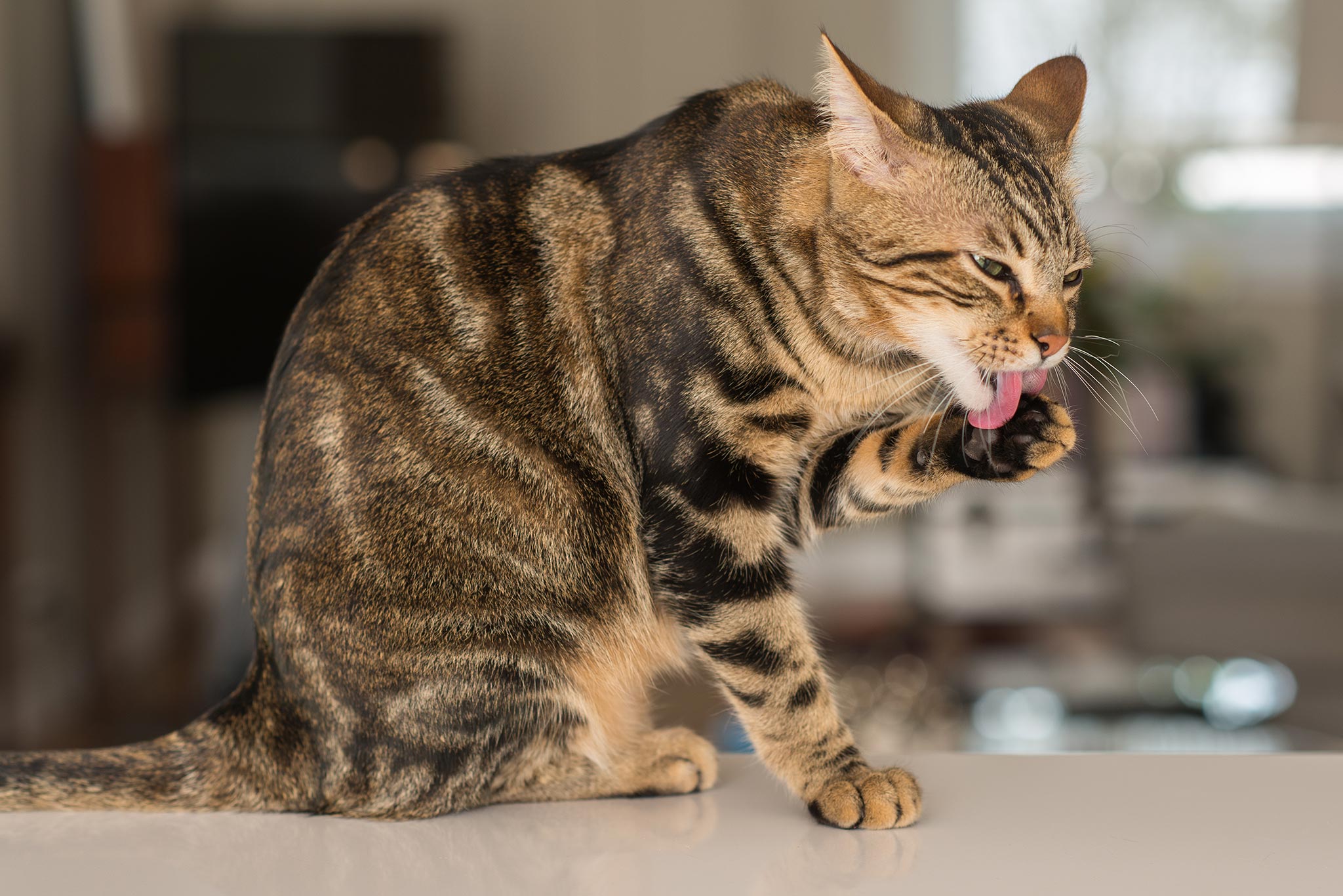
Cats licking wounds is a common behavior you might notice. It may seem strange, but there are good reasons behind it. Understanding why cats lick wounds helps you care for your pet better. Cats use this action for healing, cleaning, and comfort.
Natural Instincts
Cats have strong instincts to protect themselves. Licking wounds is part of their survival skill. It helps clean dirt and bacteria from the injured area. Wild cats do this to avoid infections and heal fast. This behavior is passed down from their ancestors.
Saliva’s Role
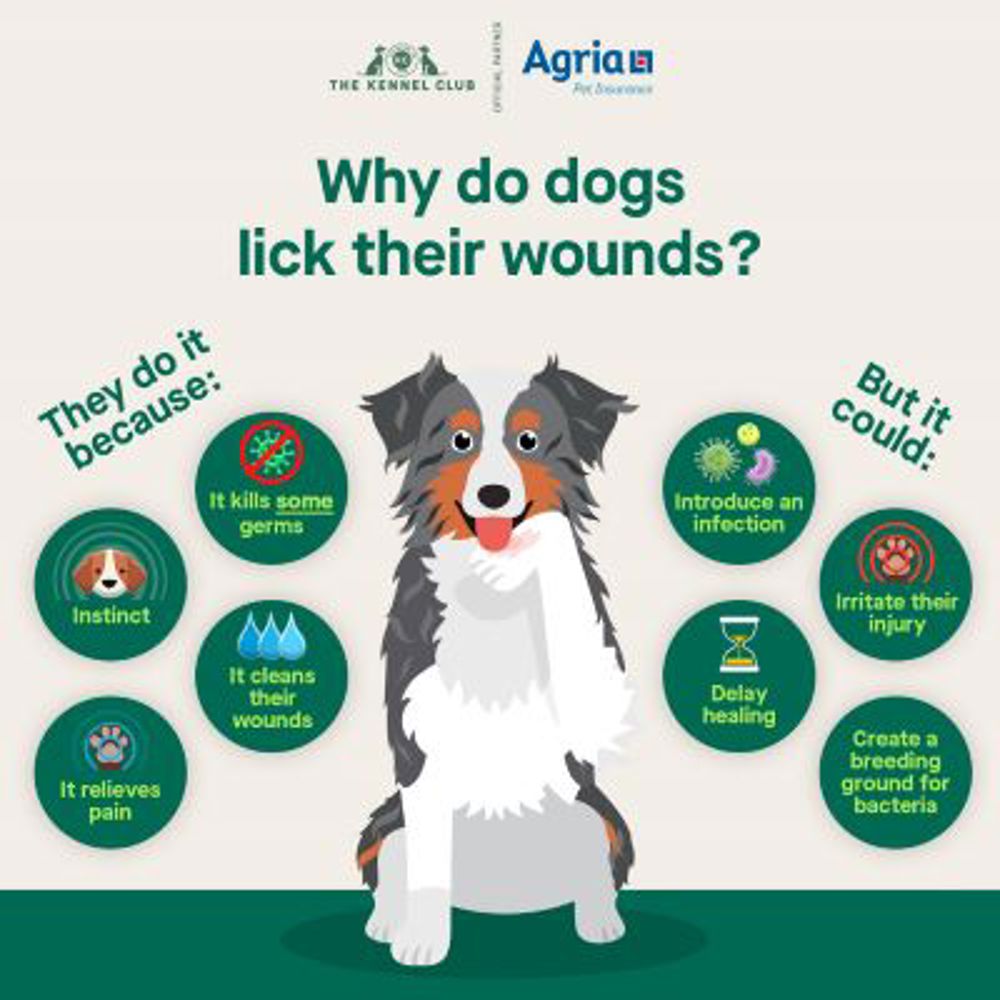
Cat saliva contains special enzymes that help fight germs. These enzymes stop bacteria from growing in wounds. Saliva also keeps the skin moist, which aids healing. But too much licking can cause harm and slow recovery. Balance is important for the wound to heal well.
Comfort And Soothing
Licking wounds also brings comfort to cats. The act can reduce pain and stress. It works like a natural calming method. Cats often lick to feel safe and relaxed during injury. This soothing effect is part of their self-care routine.
Credit: brownvethospital.com
Effects Of Excessive Licking
Cats lick their wounds to clean them. This is a natural healing habit. But licking too much can cause problems. Excessive licking may slow down healing and cause more harm than good. Understanding these effects helps protect your cat’s health.
Delayed Healing
Too much licking stops the wound from closing properly. The constant moisture breaks down new skin. This makes the healing take longer than usual. The wound may stay open and painful for days or weeks.
Risk Of Infection
Cat mouths have many bacteria. When a cat licks too much, bacteria enter the wound. This causes infections that can worsen the injury. Infected wounds may become red, swollen, and discharge pus. Veterinary care might be needed to treat the infection.
Skin Damage
Excessive licking irritates the skin around the wound. The skin becomes raw and sore. This can lead to hair loss and scabs. Continuous licking may cause the skin to thicken or form ulcers. It makes the wound area very uncomfortable for the cat.
Signs Of Overgrooming
Cats often lick wounds to clean them. This is normal behavior. But too much grooming can cause problems. Overgrooming can make wounds worse and slow healing. It is important to notice signs of overgrooming early. This helps protect your cat’s health and comfort.
Redness And Swelling
One clear sign of overgrooming is redness. The skin around the wound looks irritated. It may also be swollen or warm to touch. This means the area is inflamed. Grooming too much can cause this reaction. Watch for these changes to catch overgrooming early.
Hair Loss
Overgrooming often leads to hair loss. The cat’s fur around the wound thins out or falls off. Patches of bare skin appear. This is a sign the cat licks or bites the area repeatedly. Hair loss may also make the skin more sensitive and prone to injury.
Open Sores
Open sores show that overgrooming is severe. The skin breaks down from constant licking or biting. These wounds are painful and take longer to heal. Open sores can also get infected. If you see open sores, immediate care is needed to help your cat heal.
When To Intervene
Cats often lick their wounds to clean them. This behavior helps remove dirt and stops infection early. But sometimes, too much licking can harm the healing process. Knowing when to step in is important to protect your cat’s health.
Monitoring Behavior
Watch how often your cat licks the wound. A little licking is normal. Excessive licking can cause irritation or reopen the wound. Notice if your cat seems restless or focused on one spot. These signs mean you should check the injury closely.
Using Protective Measures
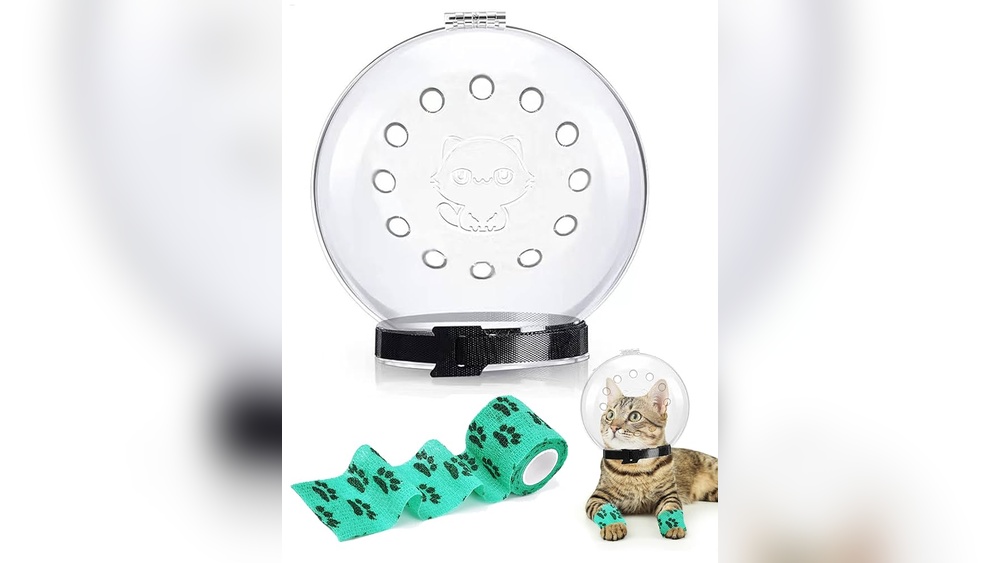
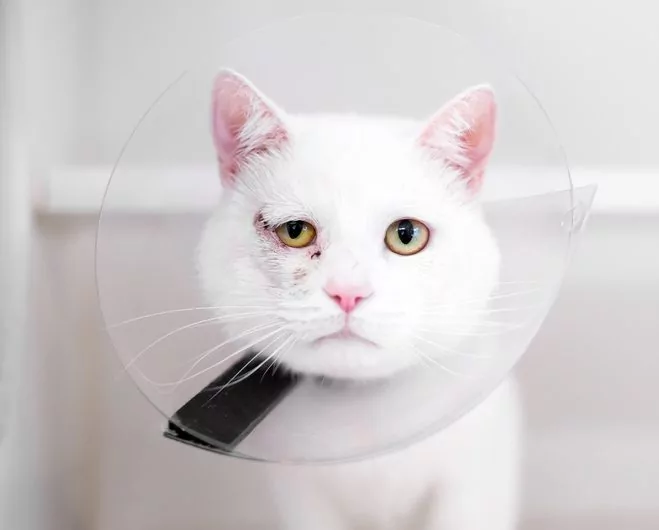
Use a soft collar to stop your cat from licking too much. Cover the wound with a clean bandage if possible. Make sure the bandage is not too tight. Keep the area dry and clean. These steps help the wound heal faster.
Seeking Veterinary Help
Visit the vet if the wound looks worse or does not heal. Signs like swelling, redness, or pus need medical care. Your vet can give medicine to prevent infection. Quick treatment avoids serious problems for your cat.
Preventing Excessive Grooming
Preventing excessive grooming is important for a cat’s healing process. Too much licking can reopen wounds and cause infections. Helping your cat heal faster means managing its grooming habits carefully.
Understanding how to prevent over-grooming keeps wounds safe. It also reduces stress for your pet. Simple steps can make a big difference in recovery.
Proper Wound Care
Keep the wound clean and dry. Use vet-approved ointments to protect the area. Change bandages as directed by your vet. Watch for signs of infection like redness or swelling. A clean wound heals faster and feels less itchy, lowering the need to groom.
Environmental Enrichment
Provide toys and playtime to distract your cat. New activities keep your cat busy and calm. A happy cat grooms less. Create a safe space with cozy bedding. A relaxed environment helps reduce licking caused by boredom or anxiety.
Stress Reduction Techniques
Speak softly and handle your cat gently. Maintain a quiet, calm home atmosphere. Use pheromone sprays or diffusers designed for cats. These products can soothe nervous pets. Less stress means your cat grooms wounds less often.
Credit: www.thekennelclub.org.uk
Myths About Cat Grooming Wounds
Cats grooming their wounds is a common sight. Many believe it helps heal the injury faster. Some think cat saliva works like medicine. These ideas lead to myths about cat grooming wounds. Understanding facts helps protect your cat’s health.
Saliva As A Cure-all
Many believe cat saliva kills all germs. Saliva contains some enzymes that fight bacteria. But it also holds many harmful germs. Licking wounds can cause infections, not cures. Saliva is not a reliable medicine for wounds.
Ignoring Licking Behavior
Some owners ignore their cat’s licking habits. Excessive licking can slow healing and cause more harm. Wounds might reopen or get worse. Watching and controlling licking is important. It helps prevent further injury and infection.
Self-healing Assumptions
People often assume cats heal wounds alone. Cats can heal small wounds, but not all. Deep or infected wounds need vet care. Trusting self-healing may delay proper treatment. Early care ensures faster and safer recovery.
Credit: pewaukeeveterinaryservice.com
Frequently Asked Questions
Why Do Cats Groom Wounds Excessively?
Cats groom wounds to clean and soothe the area. Excessive licking may cause irritation or infection. It’s their natural healing instinct but can sometimes delay recovery.
Can A Cat’s Licking Harm A Healing Wound?
Yes, too much licking can reopen wounds or introduce bacteria. It may slow healing or cause infections. Monitoring and limiting licking is important for proper recovery.
How To Stop A Cat From Over-grooming Wounds?
Use an Elizabethan collar or bandage to prevent licking. Distract your cat with toys or treats. Consult a vet if licking persists to avoid complications.
Is It Normal For Cats To Groom Wounds Often?
Occasional grooming is normal as cats clean wounds instinctively. Frequent or aggressive licking may indicate discomfort or infection. Watch for signs of worsening and seek veterinary advice if needed.
Conclusion
Cats often lick wounds to clean and soothe them. This behavior can help remove dirt and bacteria. Yet, too much licking can cause harm. It may slow healing or cause infection. Watch your cat closely to prevent over-grooming. If the wound looks worse, visit a vet.
Understanding your cat’s grooming habits keeps them safe and healthy. Simple care and attention make a big difference. Trust your instincts and act if needed. Your cat relies on you for proper healing and comfort.